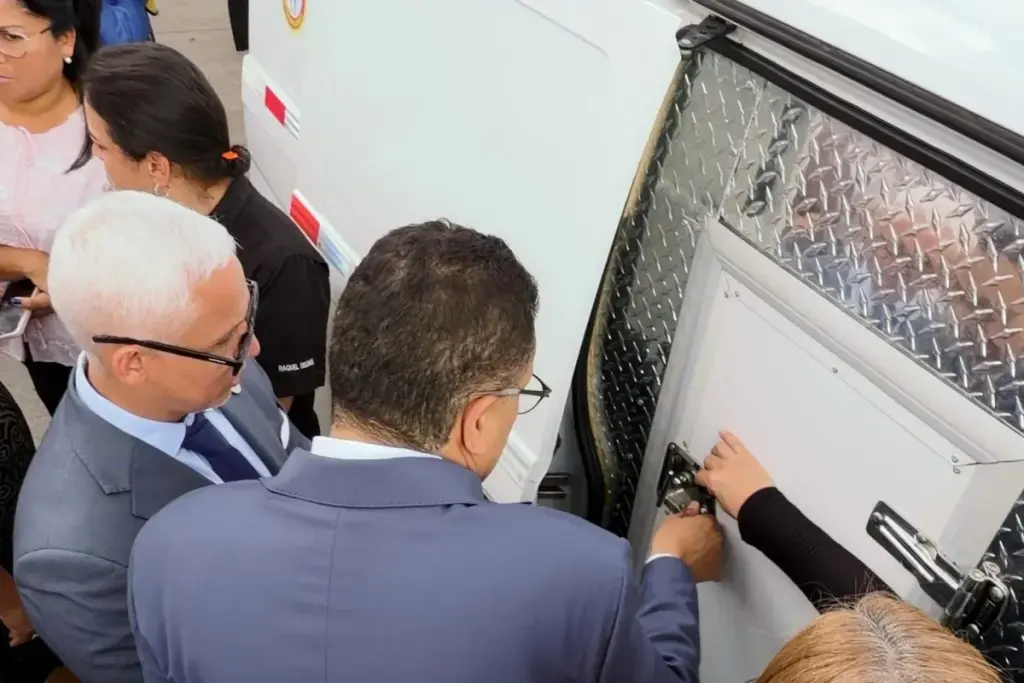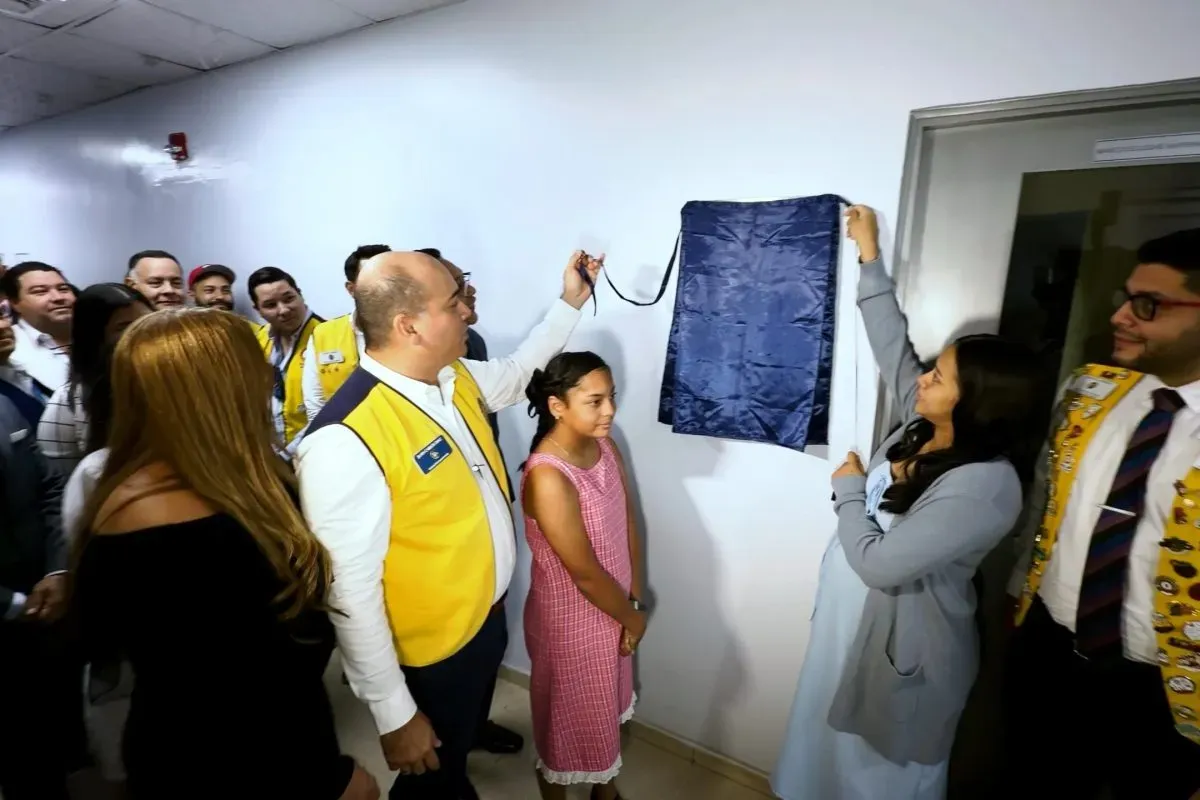
The Caja de Seguro Social (Social Security Fund) has opened a new human milk bank at the Irma de Lourdes Tzanetatos Hospital in Panama City. General Director Dino Mon Vásquez accepted the keys to the facility this week, a project spearheaded and funded by the Club Activo 20-30. This modern center, which includes a refrigerated transport vehicle, will collect, process, and distribute donated breast milk to hospitalized infants whose own mothers cannot feed them for medical reasons.
The new installation represents a significant upgrade for neonatal care at the public hospital. Officials estimate the facility cares for approximately 700 newborns annually, with a substantial portion requiring donated milk. The bank is equipped with advanced technology to ensure safe handling and storage of this vital resource.
“What we are seeing today is not just a finished project. It is the result of believing in something that is not immediately visible. It is the result of organizing to help someone you do not know,” said Dino Mon Vásquez, General Director of the Caja de Seguro Social (Social Security Fund). [Translated from Spanish]
The immediate impact will be a standardized, safe supply of donor milk for vulnerable infants. Processing will now occur under optimal conditions. The project also includes a dedicated lactation room, providing mothers with a private and safe space for milk expression and storage.
Public Health Collaboration Drives Project Forward
Mon Vásquez emphasized the collaborative nature of the public health achievement. He credited the partnership between the government, civil society, and the health system for making the milk bank a reality. The donation was facilitated through the Teletón 20-30 fundraising campaign.
“Public health cannot be built in isolation. Today Panama is taking a step in the right direction. Under the leadership of President José Raúl Mulino, and with the joint work of the health system, we are making decisions that put life at the center,” Mon Vásquez stated. [Translated from Spanish]
This initiative aligns with broader efforts to strengthen maternal and child health services within the Caja de Seguro Social (Social Security Fund) network. It follows other recent administrative actions, including a major seguro social/social security fund recovery case last year.
Advanced Technology for Neonatal Nutrition
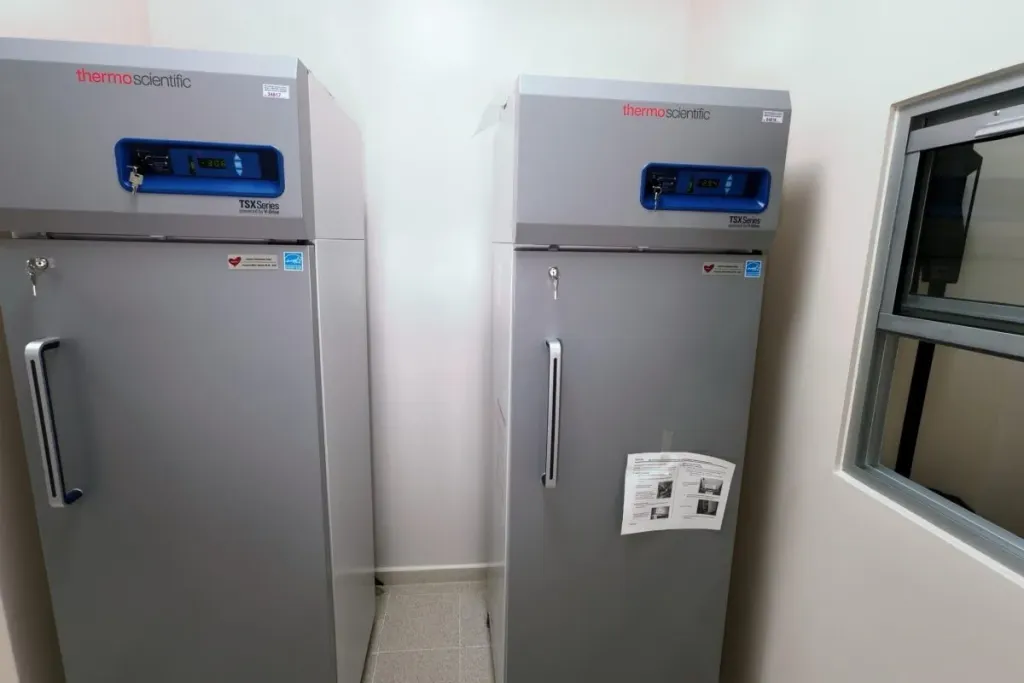
The donated equipment includes a pasteurizer, a human milk analyzer, refrigeration chambers, and high-capacity freezers. A human milk bank relies on strict protocols. Donated milk undergoes screening and processing, including Pasteurization, to ensure it is safe for fragile infants. This process eliminates potential pathogens while preserving nutritional value.
Juan Carlos Díaz, President of the Teletón 20-30 2023 Project Goal, highlighted the critical role of donor milk. He explained it serves as more than just nutrition for many premature or ill newborns. For them, it is a vital medical treatment that can drastically improve outcomes.
“It is not just food, but a vital treatment for many newborns,” Díaz said. [Translated from Spanish] He added the bank will give more babies a real chance to survive and develop healthily, even under adverse conditions. The model is established in many countries, with networks like the Human milk bank system in North America providing a blueprint.
The new bank at the hospital irma now becomes a central resource. It promises to enhance care for the most vulnerable patients and support Panama’s public health goals for infant mortality and development.