


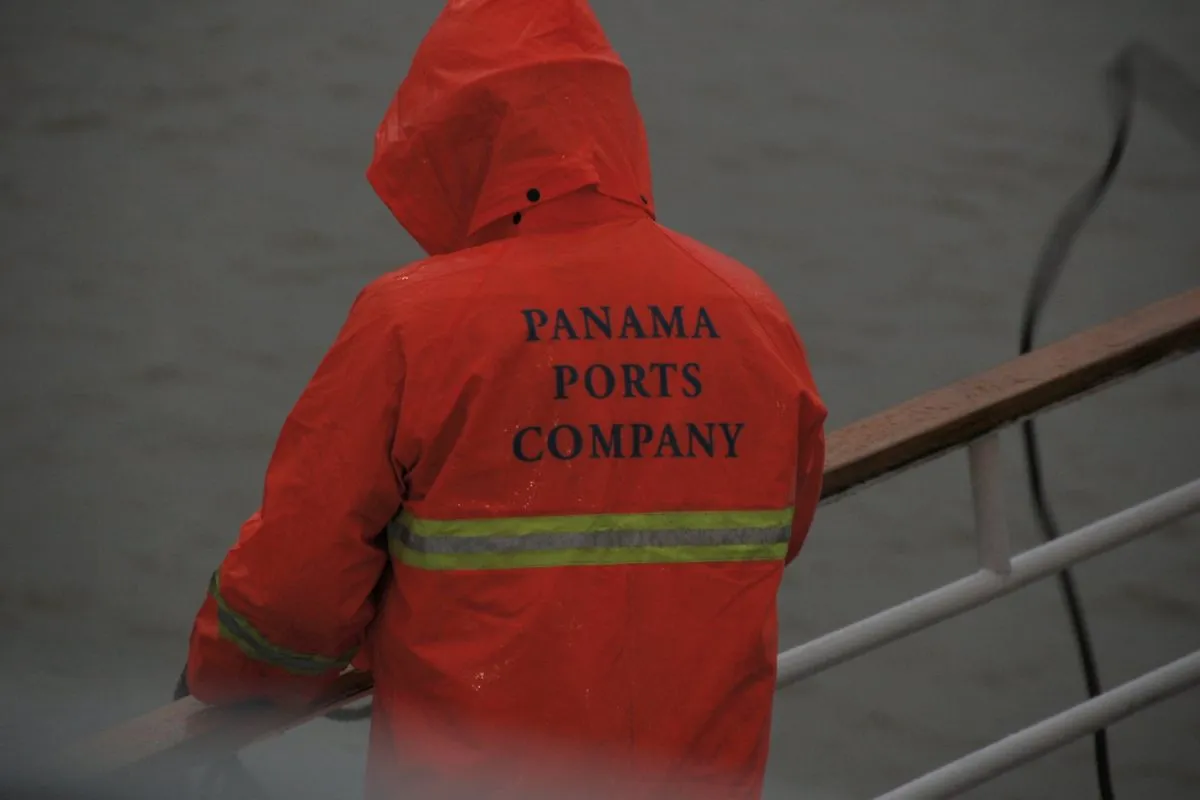
Panama Ports Company S.A. (PPC) has launched a sharp public rebuke against the Panamanian government, accusing it of severely damaging the country’s reputation as a destination for foreign investment. The statement follows the state’s takeover of the Balboa and Cristobal port terminals in February and an ongoing International Arbitration case. The company, a subsidiary of CK Hutchison Holdings Limited, is now seeking at least $2 billion in damages.
The dispute centers on the Panamanian government’s seizure of port operations, which PPC claims was executed unlawfully. A recent Supreme Court ruling from January 29 found the original concession contract with PPC was detrimental to public interest, but the company argues the state’s subsequent actions violate international law and contractual obligations.
Allegations of Procedural Delays and Document Seizures
PPC’s criticism extends to the conduct of the arbitration process itself. The company asserts the Republic of Panama missed its original deadline to file a response in the case administered by the International Chamber of Commerce International Court of Arbitration. According to PPC, the state requested an extension, claiming it was unprepared, lacked hired lawyers, and needed time to develop a defense strategy.
“Panama indicated it was not prepared or in a position to respond on time because it had not hired lawyers, was not familiar with the dispute, and needed time to develop a plan,” the PPC statement read. [Translated from Spanish]
The company called this justification contradictory. It noted the government had publicly spent the past year developing a plan for the ports and that PPC had formally notified the state of the dispute nearly a year prior. These procedural delays, PPC argues, compound the substantive harms caused by the physical takeover.
Operations, existing contracts, and linked supplier companies were all negatively affected by the state’s intervention. PPC also alleges authorities confiscated corporate documents, computers, and legally protected files during operations at the terminals and a private storage facility. The company says it continues to be denied access to its own property.
A Broader Warning on Investment and Rule of Law
The core of PPC’s public statement is a warning to other international investors. The company frames the government’s actions as part of a sustained pattern that disregards legal norms. This pattern, PPC contends, creates an unpredictable and hostile environment for foreign capital.
“All these are signs of a state that dismisses foreign investment by violating contracts, laws, and international norms,” the company stated. [Translated from Spanish]
For PPC and its investors, the alleged damages are severe and continuing. The company has permanently reserved all its legal rights and remedies. This dispute is being closely watched by the international business community, given Panama’s strategic role in global trade and logistics. The outcome could influence how other foreign-owned panama ports companies assess their risk in the region.
The situation presents a significant challenge for the Panamanian government. It must balance its sovereign right to regulate and manage critical national infrastructure with its international commitments to protect foreign investment. The state’s yet-to-be-filed defense in the arbitration will detail its legal justification for the port takeover, likely citing the Supreme Court’s nullification of the concession.
PPC and CK Hutchison have already intensified their legal offensive beyond the main arbitration claim. They have filed new local actions challenging the executive decree that authorized the asset seizure. The fight over the confiscated corporate documents adds another complex layer to the litigation. The operations of the ports company remain under state control while the legal battles proceed on multiple fronts.
This high-stakes conflict will take years to resolve through international arbitration and Panamanian courts. The final rulings will have lasting implications for Panama’s economic relationship with global investors and its standing as a stable hub for commerce. The empresa panama ports case is now a defining test of the country’s investment climate and its adherence to the rule of law as perceived by the international community.