


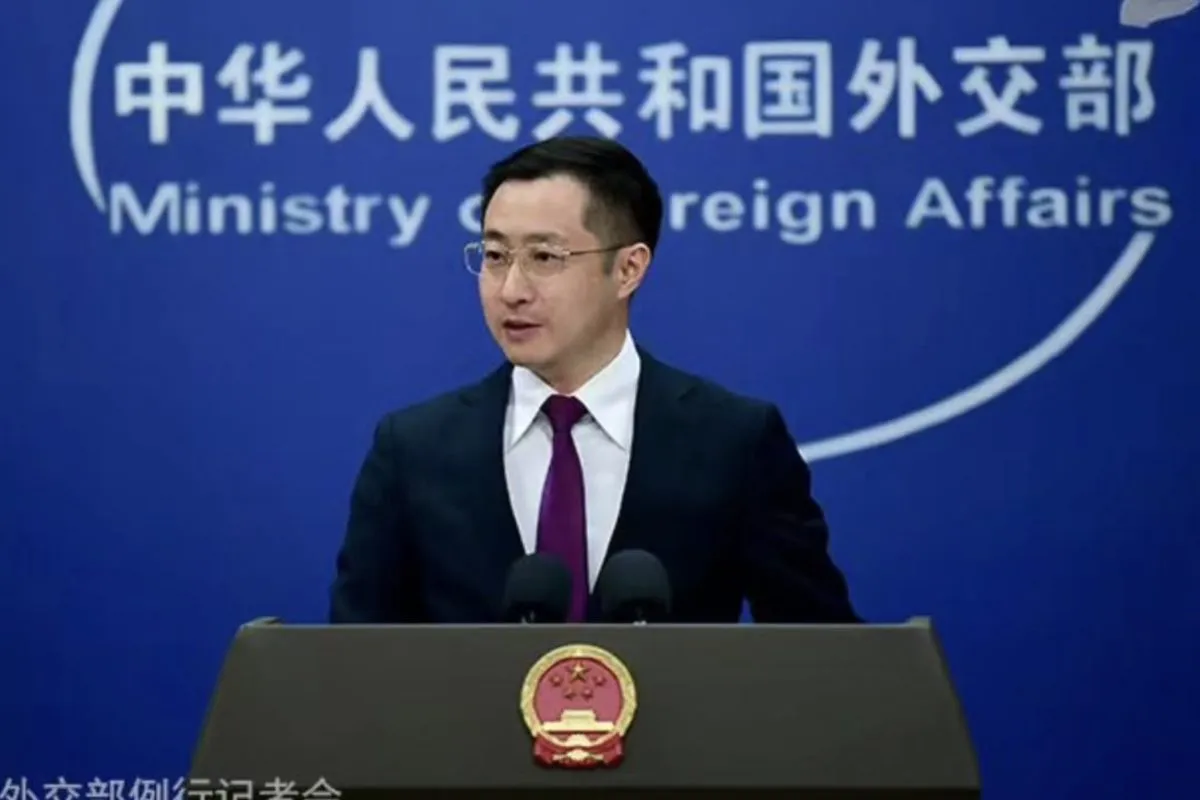
China has rejected a joint statement from six nations supporting Panama’s sovereignty. The declaration, signed by the United States, Bolivia, Costa Rica, Guyana, Paraguay, and Trinidad and Tobago, raised concerns over what they call selective economic pressure from Beijing. Chinese Foreign Ministry Spokesperson Lin Jian responded on Wednesday, April 29, calling the accusations completely baseless.
The joint statement, published on April 28 by the Office of the Spokesperson, warned about recent actions affecting vessels flying the Panamanian flag. It specifically pointed to measures taken after a ruling by the Supreme Court of Panama regarding the Balboa and Cristóbal port terminals. These actions, according to the signatories, represent an attempt to politicize maritime trade and undermine regional sovereignty.
Lin Jian addressed the dispute during a press conference. He directly questioned the role of the United States in the region. “Who occupied the Panama Canal for a long time, armed-invaded Panama, and arbitrarily trampled on its sovereignty and dignity?” Jian asked. “Who covets the Panama Canal, intends to turn this international waterway into its own ditch, and despises the sovereignty of regional countries? The answer is self-evident.” [Translated from Spanish]
“Those statements are completely unfounded and distort reality,” Jian said. [Translated from Spanish]
The dispute centers on a court ruling that declared the concession for the Cristóbal and Balboa ports unconstitutional. These ports were operated by Panama Ports Company, a subsidiary of Hong Kong-based CK Hutchison Holdings. The ruling has sparked diplomatic tension between Panama and China.
Jian accused the United States of politicizing the port issue. “Who has politicized and turned the port issue into a security matter is the United States,” he said. “Who acts with hypocrisy, spreads rumors, and discredits everywhere is also the United States.” [Translated from Spanish]
China Defends Vessel Inspections as Routine Procedure
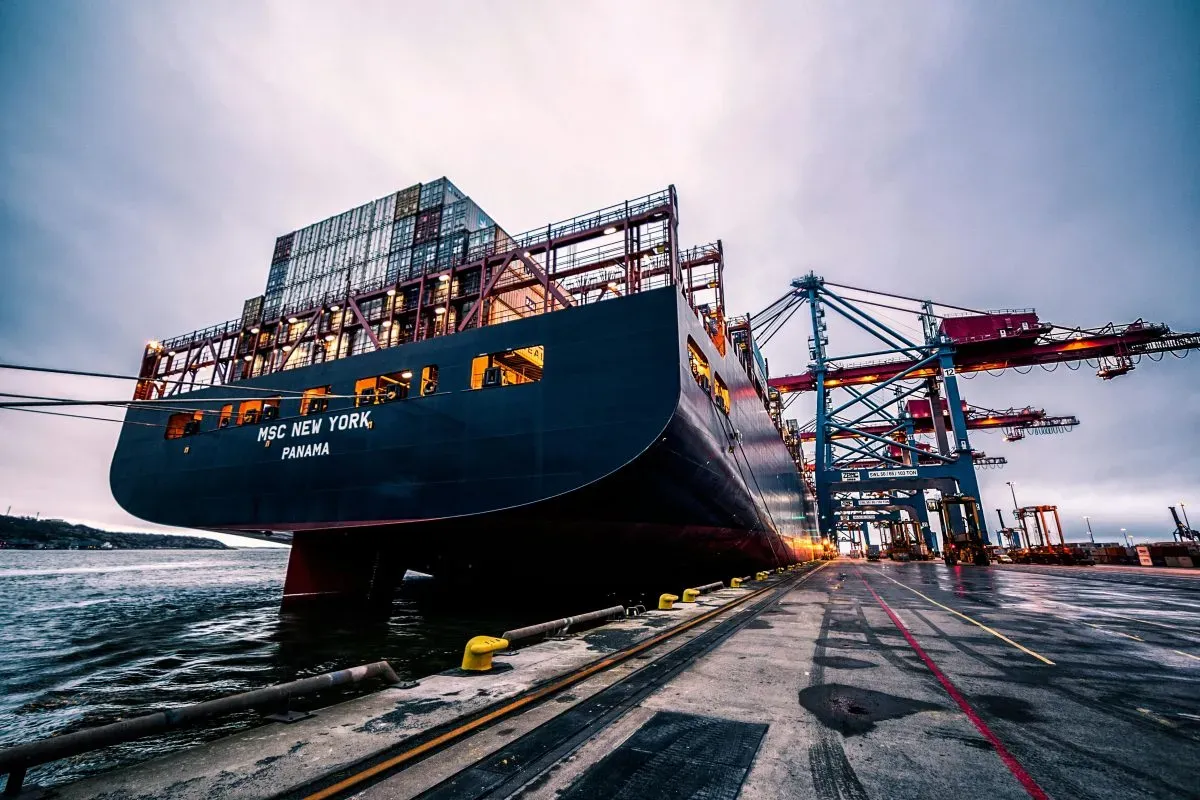
On the matter of detained Panamanian-flagged vessels in Chinese ports, Jian described the process as standard. He stated that “the competent authorities of the China port carry out normal inspections of vessels in accordance with laws and regulations.” [Translated from Spanish]
Panamanian President José Raúl Mulino had previously downplayed the vessel detentions. During a press conference on April 9, he said the inspections “have nothing to do with political retaliation.” Instead, he suggested that China might “want to intensify the review of ships from the perspective of maritime security.”
Regarding the ongoing legal dispute in arbitration tribunals, Jian reiterated China’s position. He said “the position of the Chinese side on the issue of the relevant ports in Panama has been clear, and the Chinese side will firmly defend its own legitimate rights and interests.” [Translated from Spanish]
The spokesperson also addressed the six-nation joint statement directly. “We advise the countries involved not to be deceived or used by forces with hidden intentions,” Jian warned. [Translated from Spanish]
Regional Solidarity With Panama Intensifies
The signatory nations warned that any action undermining Panama’s sovereignty threatens the entire region. Panama holds a strategic role in global goods transit through the Panama Canal. The statement concluded with a direct message of support: “We stand in solidarity with Panama.”
The countries reaffirmed their commitment to peace, security, and hemispheric cooperation. This comes amid growing tensions over maritime trade routes and port operations in the region. The Hongkong Company Ck Hutchinson Holdings subsidiary at the center of the dispute continues to face legal challenges in Panama.
Panama’s Foreign Ministry has also demanded respect for sovereignty. Minister Martínez-Acha called for an end to increased inspections on Panamanian-flagged vessels in Chinese ports. The Maritime Authority of Panama is currently investigating the detention of 92 Panamanian ships in China during March.