


Panama City has a new financial tool for public works. The Caja de Ahorros (Panama) announced 600 million dollars in additional funding on Tuesday. The money supports a structured financial mechanism for infrastructure execution.
General Manager Andrés Farrugia presented the plan to the Cabinet Council of Panama. He explained the instrument aims to speed up project payments. It also seeks to boost the national economy through faster construction.
The bank’s strategy tackles a major problem. Contractors often wait months for state payments. This delay causes project slowdowns and higher costs. The new mechanism guarantees liquidity for public works suppliers.
Farrugia called the product scalable and flexible. He said it can grow by up to three billion balboas more. That ensures suppliers know exactly when they will get paid.
“When a supplier has certainty about their payment date, they don’t inflate the project cost or generate overcharges,” Farrugia said. [Translated from Spanish]
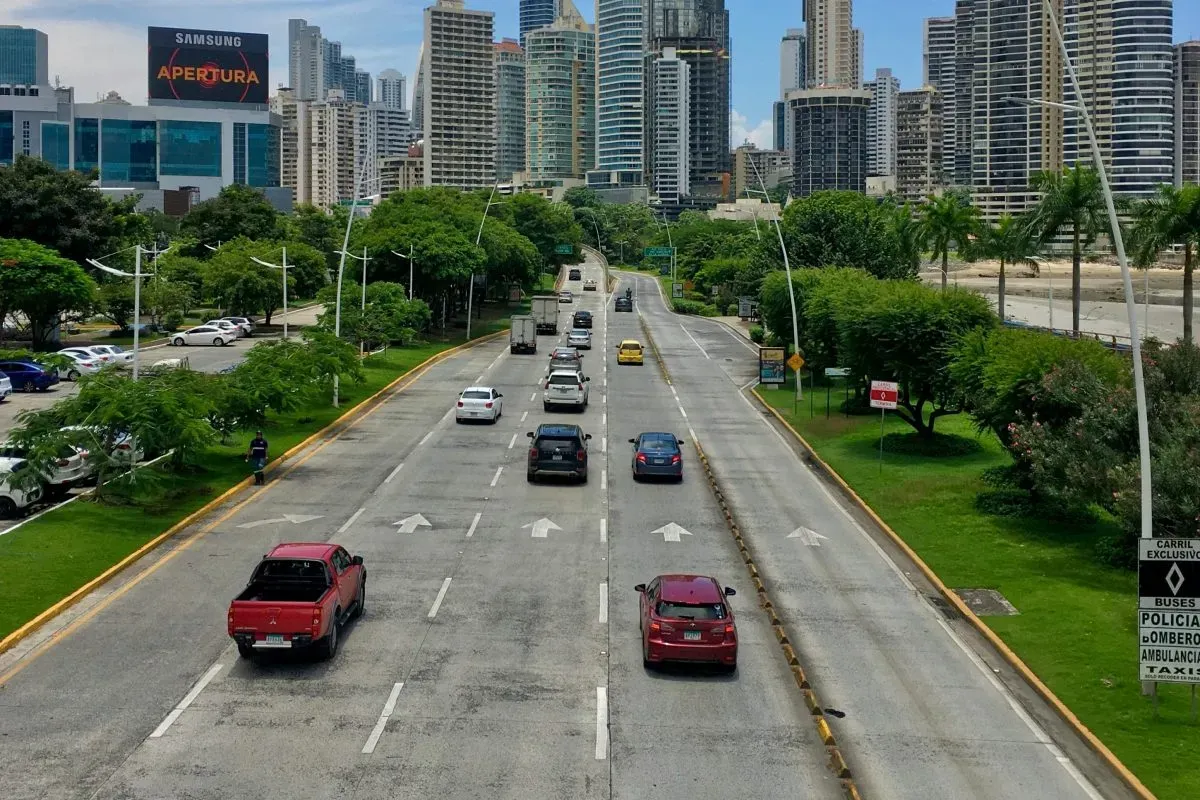
Structured Financing Mechanism Targets Critical Payment Bottlenecks
The manager identified payment delays as a major hurdle. He called them “critical knots” in state contracting. These knots have blocked infrastructure progress for years.
The new Infrastructure financing tool already shows results. It has funded more than 30 road projects. These are scheduled for completion by 2026.
Total approvals under this scheme reach about 1.4 billion dollars. Multiple government ministries participate. These include the Ministry of Public Works, the Ministry of Education, the Ministry of Health, and the Ministry of Security.
Nearly 260 million dollars have been approved for the Ministry of Public Works alone. Partial disbursements have already reached contractors nationwide. The bank offers competitive financial conditions through its commercial lending arm.
Farrugia pointed to the Health City project as proof of concept. The Caja de Ahorros served as a key financial driver there. It supported the Social Security Fund in that massive healthcare development.

Bank Reaffirms Commitment to Public Works and Economic Reactivation
The institution stated this tool strengthens public works execution. It improves efficiency in state payments. The bank sees this as vital for economic reactivation.
Farrugia described the mechanism as part of the bank’s five-year plan. It addresses long-standing contractor complaints about late payments. These delays have historically pushed up project bids.
Contractors often add risk premiums to their offers. They account for potential payment delays. The new system removes that uncertainty, the bank argues.
The structured financial approach represents a shift in government contracting. Instead of waiting for budget allocations, contractors access bank funding. The state then repays the bank on agreed schedules.
This creates a smoother cash flow for construction companies. It also keeps projects moving without interruption. The bank expects this to attract more competitive bids.
Smaller contractors have struggled most with payment delays. They lack the cash reserves of larger firms. The new mechanism gives them working capital to complete projects.
The Caja de Ahorros has a long history in Panama. It was founded in 1934 as a savings institution. Today it functions as a commercial bank with a public service mission.
The institution’s role in Public Works financing has grown significantly. It now manages billions in infrastructure loans. The 600 million dollar addition expands its capacity further.
Government officials welcomed the announcement. They see it as a practical solution to a chronic problem. Infrastructure spending represents a major portion of the national budget.
Delays in project execution have frustrated citizens. Roads, schools, and hospitals often take years to complete. The new financing model aims to change that reality.
The bank plans to monitor project progress closely. It will release funds based on construction milestones. This ensures money goes only to completed work.
Farrugia emphasized the tool’s flexibility. It can adapt to different project sizes and types. From small road repairs to massive hospital complexes, the mechanism works.
The announcement comes amid broader government efforts to boost infrastructure. Panama faces significant infrastructure gaps. The country needs better roads, water systems, and public buildings.
Economic growth depends on modern infrastructure. The Panama Canal generates huge revenues. But inland development has lagged behind.
The new financing mechanism targets that imbalance. It brings private banking efficiency to public projects. The bank expects this to accelerate national development.
Contractors have already begun applying for funds. The bank processes applications within weeks. That speed represents a dramatic improvement over traditional processes.
Farrugia called the mechanism a win-win solution. Contractors get paid on time. The state gets projects completed faster. Citizens get better infrastructure sooner.
The bank will continue expanding the program. It plans to add more ministries and projects. The goal is to make delayed payments a thing of the past.
Panama’s infrastructure future looks brighter with this tool. The 600 million dollar injection provides immediate relief. The scalable structure offers long-term solutions.