


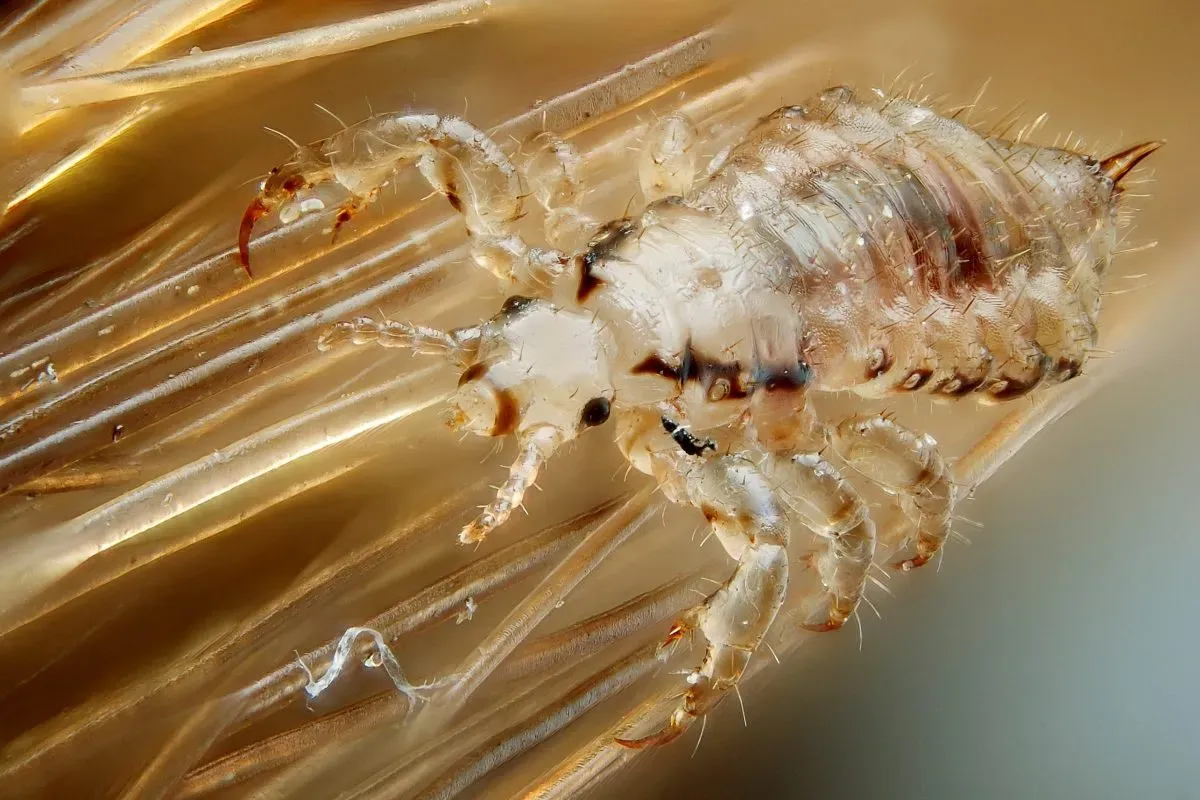
The return to classrooms across Panama has brought a familiar and unwelcome guest. Health and education officials are reporting the seasonal surge of head lice infestations among schoolchildren, a persistent public health challenge that peaks during the academic year. The close contact inherent in school settings provides an ideal environment for the parasites to spread from child to child.
📑 Table of Contents
This annual cycle begins as students increase their time together in confined spaces. The problem is not unique to Panama but is a common issue in schools worldwide wherever children gather. The insects, known scientifically as Head lice, spread primarily through direct head-to-head contact. Sharing personal items like combs, hats, headphones, and hair accessories also facilitates transmission during playtime and classroom activities.
Impact on Student Wellbeing and Learning
While head lice do not transmit serious disease, the infestation known as Pediculosis causes significant discomfort. An intense itching sensation on the scalp often leads to skin irritation and sores from scratching. This physical distraction can directly impact a student’s ability to concentrate and participate fully in lessons, potentially hindering academic performance.
Officials from Panama’s Ministry of Health and Ministry of Education have issued coordinated statements urging parental vigilance. They emphasize that outbreaks are a predictable part of the school calendar and require proactive home management to control. Early detection and treatment remain the most effective strategies for containment.
“Parents should be aware that every year there are head lice outbreaks in schools,” [Translated from Spanish] explained health authorities. They recommended maintaining constant checks of children’s hair as a fundamental first step.
The ministries have published a list of preventative measures for families. Keeping hair tied up, particularly longer hair, can reduce the opportunity for the parasites to move from one host to another. Regularly washing bedding, hats, and hair tools in hot water is also crucial to eliminate lice and their eggs, called nits, that may linger on fabrics.
Treatment and Containment Strategies
For active infestations, officials point parents toward accessible treatment options available without a prescription. Medicated shampoos and lotions designed to kill head lice are widely sold in pharmacies. The key to success with these products lies in carefully following the application instructions and often requiring a second treatment to eliminate newly hatched lice.
“Pharmacies sell shampoo for washing,” [Translated from Spanish] officials noted, confirming the availability of over-the-counter solutions for timely intervention. They stress that treating the entire affected household simultaneously is often necessary to prevent reinfestation.
School nurses and teachers are often on the front lines of initial detection. Their observations can prompt the early notifications to parents that prevent a single case from becoming a classroom-wide outbreak. Specialists consistently warn that delaying treatment allows the cycle to continue unchecked. A swift response protects not only the individual child but also their classmates.
The collective effort between home and school forms the backbone of effective management. Public health campaigns at the start of each term aim to remind communities that lice are a nuisance, not a mark of poor hygiene. Reducing stigma encourages parents to report cases openly so schools can issue discreet, general alerts without identifying children. This ongoing education hopes to turn the annual recurrence into a manageable, short-lived issue rather than a prolonged disruption.