


The city of Colón, Panama, is preparing to launch a major urban improvement initiative aimed at refreshing its downtown core and creating hundreds of local jobs. Mayor Diógenes Galván confirmed the project will clean and paint over 200 buildings in the coming months, with work set to begin within weeks. This municipal effort represents a direct response to both visible urban decay and persistent unemployment in the Colón Province, Panama.
Funded entirely by the municipal budget, the project’s first phase will target between 22 and 26 structures. Officials have completed a required review process with the Comptroller General’s office and now await the final green light. The mayor emphasized this is a surface-level beautification effort, not a structural restoration, allowing for quicker implementation and lower costs.
“We are in the final stretch. We estimate that in one or two weeks we should have the order to proceed,” Mayor Diógenes Galván said. [Translated from Spanish]
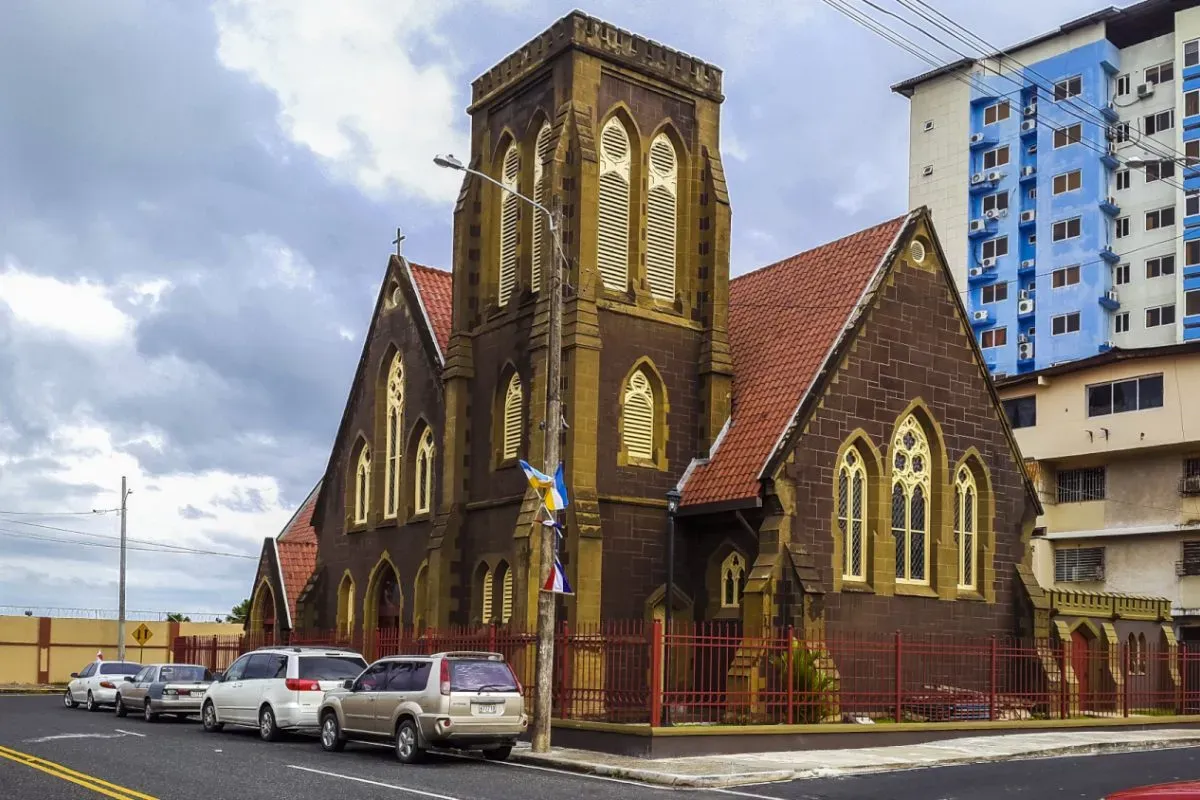
Galván was clear about the project’s scope. He explained the work will not involve deep interventions on the historic buildings. “We are not going to impact the buildings. We are only going to wash them and paint them,” he stated. [Translated from Spanish] This approach distinguishes the initiative from more complex and costly heritage restoration projects.
Project Aims to Generate Immediate Employment
Beyond aesthetics, the program is designed as an economic stimulus. The municipality projects each building will require about eight workers, potentially creating over 300 temporary positions for colonenses. In a province where unemployment has been a chronic issue, this injection of work is significant. Official data from Panama’s National Institute of Statistics and Census (Panama) indicated an unemployment rate hovering around 10 percent at the end of 2025.
“From our responsibility we have to generate jobs,” Galván asserted. [Translated from Spanish]
The mayor directly linked the project to a shift in municipal spending priorities. He announced a move away from funding festivals and events toward projects that put money directly into residents’ pockets. He suggested future festivities would seek private sponsorship to avoid draining the budget for public works.
Plans extend far beyond the initial two dozen buildings. While the first phase gets underway, the municipality will launch tender processes for subsequent groups of structures. The ultimate goal is to refresh 210 buildings downtown. This phased strategy is intended to create a continuous cycle of employment opportunities over the coming months.
A Visible Change for a City in Need
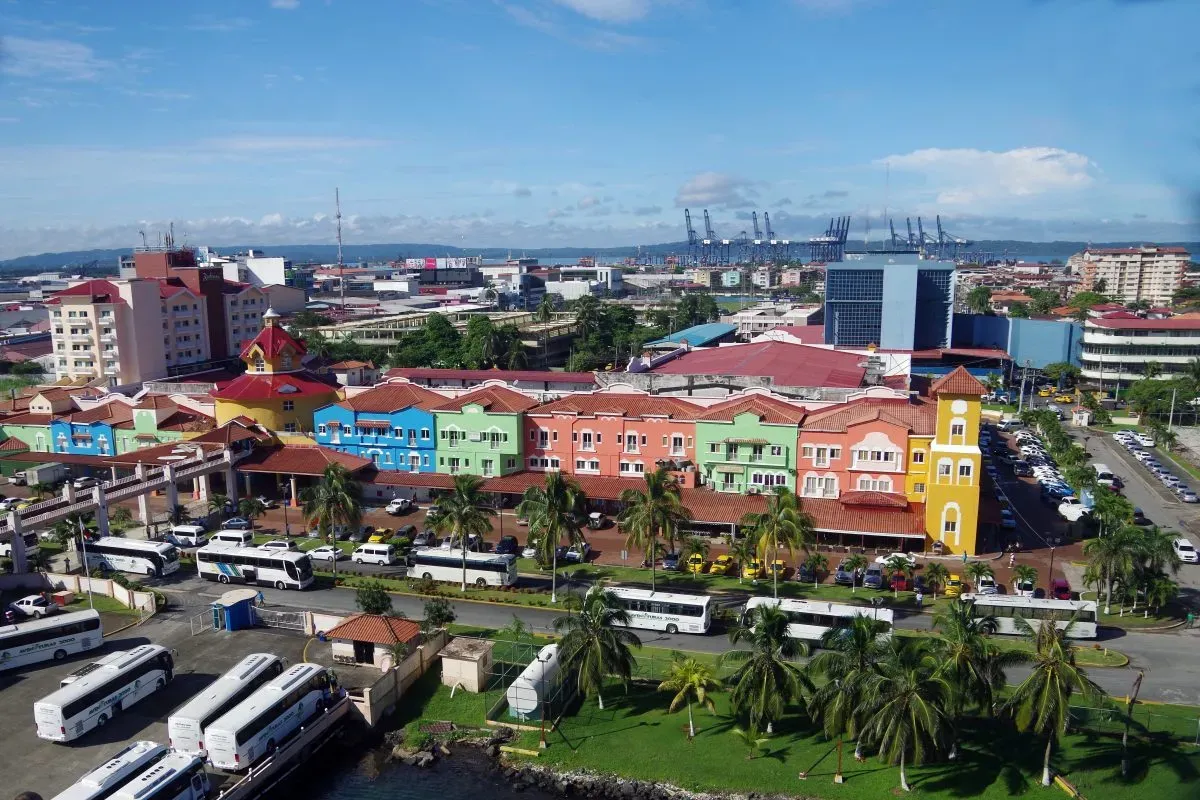
The initiative does not pretend to solve deep-seated issues of urban decay or transform the local job market permanently. Its ambitions are more immediate and visual. For residents of Colón, where the deteriorated state of the urban center has been a constant complaint, the promise of a cleaner, brighter cityscape offers a tangible sign of progress.
Municipal leaders are betting that combining job creation with aesthetic improvement can address both economic urgency and civic pride. The project walks a line between modest expectations and the pressing need for action. Success will be measured not just in gallons of paint applied but in paychecks delivered and a renewed sense of momentum for Colón’s historic downtown.