


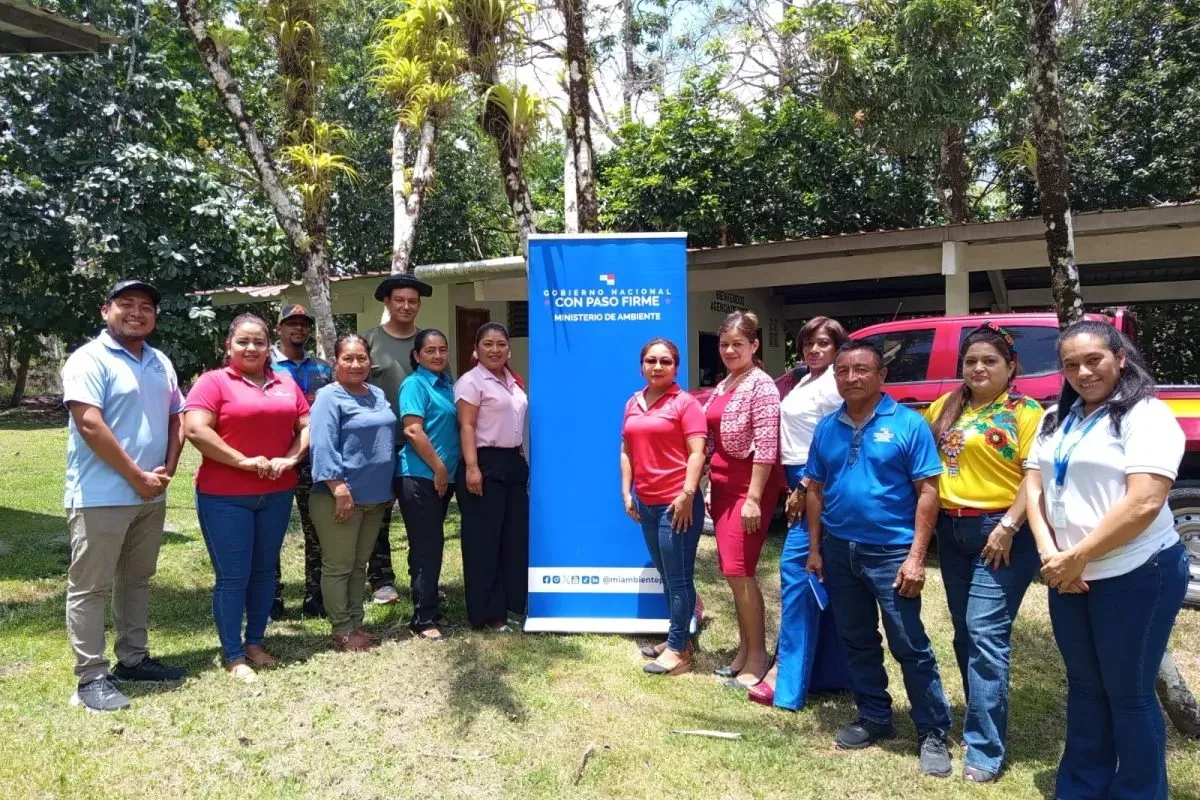
The Ministry of Environment trained educators from four schools in Panama East this week. This second workshop for the Ecological Flag Program aims to embed sustainable practices directly into school communities. The initiative is a collaboration with the Ministry of Education.
Held on April 20, 2026, the session involved representatives from the Superación Campesina, Platanares, Río Piedra, and Santa Isabel schools. Officials stated the goal is to certify schools that demonstrate a concrete commitment to environmental stewardship. The program provides a structured framework for schools to improve their resource management and ecological education.
University students also joined the training, adding an academic perspective to the proceedings. Trainees from the University of Panama’s Watershed and Environmental Engineering program participated as part of their practical studies. Their involvement bridges theoretical knowledge with community application.
“This training strengthens capabilities within educational centers for comprehensive environmental management,” said a regional director for MiAMBIENTE. [Translated from Spanish]
The immediate next step requires participating schools to implement what they learned. They must develop specific action plans addressing waste, water conservation, and energy use. Program coordinators will conduct evaluations later this year to measure progress and determine which institutions qualify for the Ecological Flag award.
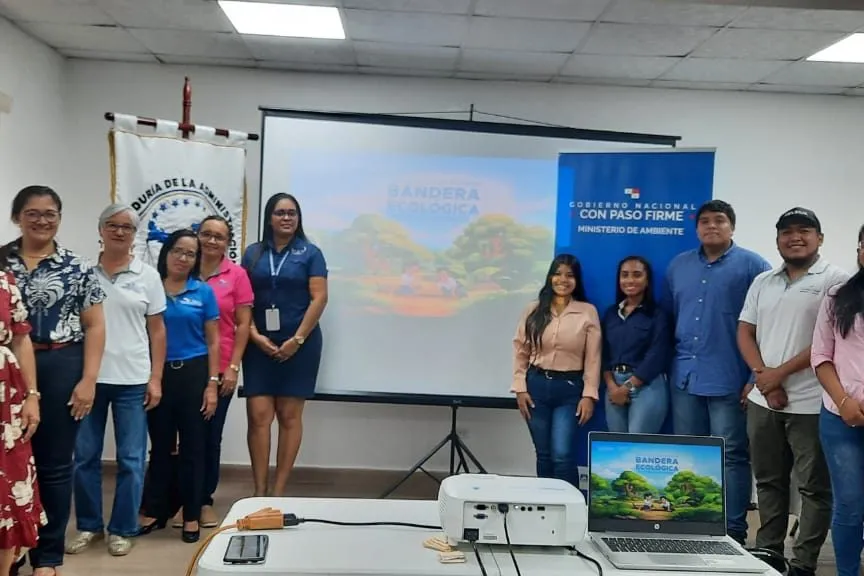
Building a Foundation for Environmental Culture
This program represents a systematic approach to Environmental education. It moves beyond theory by demanding tangible changes in school operations. The Ministry of Environment (Panama) sees schools as catalysts for broader community change.
Certification under the Ecological Flag Program is considered a mark of distinction. It signals a school’s dedication to fostering a genuine cultura ambiental/environmental culture. The involvement of the University of Panama further grounds the initiative in local expertise and research.
Panama East is a key focus area for these environmental capacity-building efforts. Officials believe empowering educators creates a multiplier effect. Students carry lessons home, influencing family habits and shaping long-term community values around conservation.