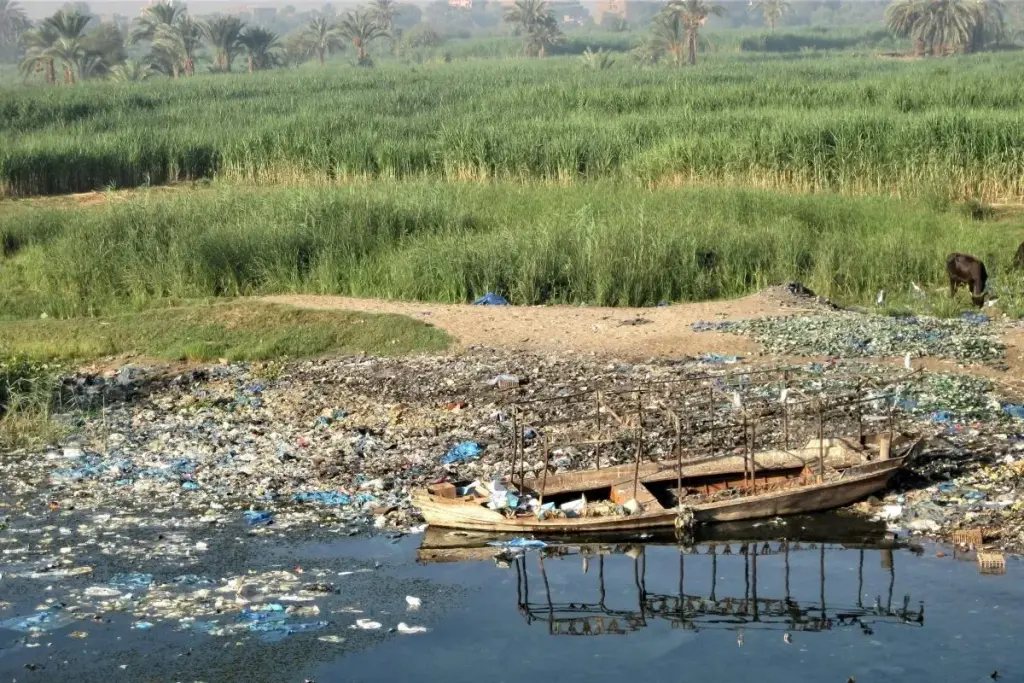
Panama City residents continue to ask when they can safely swim in the waters of the Panama Bay. The ambitious Sanitation Program of Panama, launched in 2001, has now spanned a quarter-century. Officials state that achieving a swimmable bay hinges on completing critical infrastructure and changing public behavior.
Major global cities like Sydney and Paris required at least thirty years to clean their iconic waterways. Panama’s own project, aimed at reversing decades of pollution, has reached its 25-year mark. The goal of safe recreational use remains on the horizon, dependent on a complex interplay of engineering and civic responsibility.
“I would love to say we will finish these projects and all go swimming in the bay,” said program coordinator María Fernanda De Mendoza. [Translated from Spanish] She added that achieving this requires a sustained social, environmental, and economic effort.
If all elements align correctly, De Mendoza explained, the initiative could need another 25 years to render the water completely safe for human contact. The timeline underscores the monumental task of rehabilitating an urban marine ecosystem serving a metropolitan population exceeding 1.4 million people.
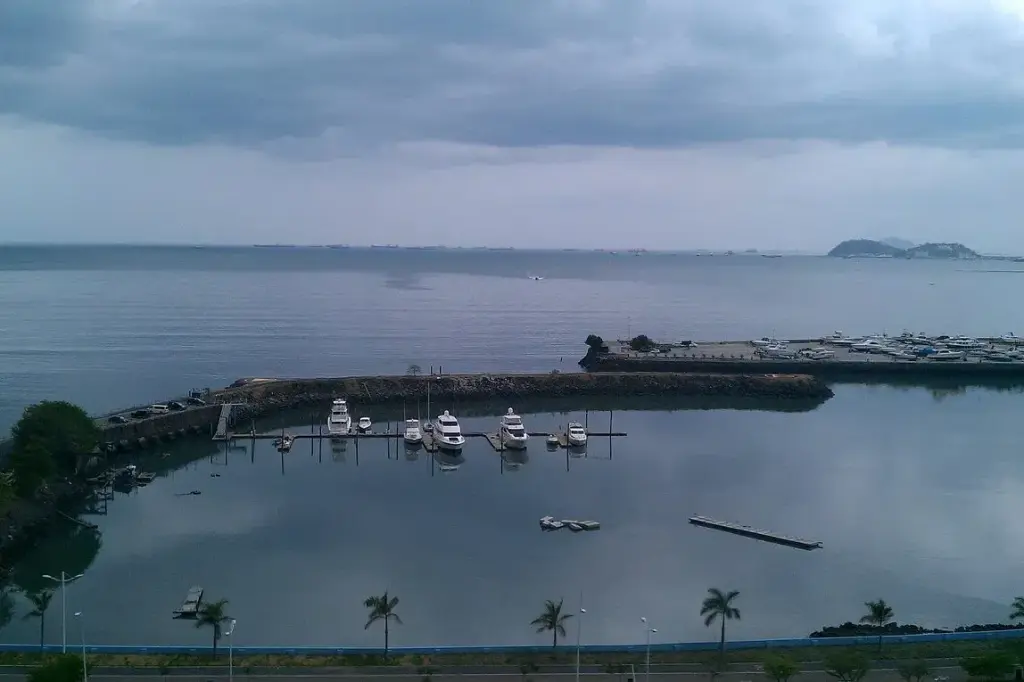
A Legacy of Pollution and a Turning Point
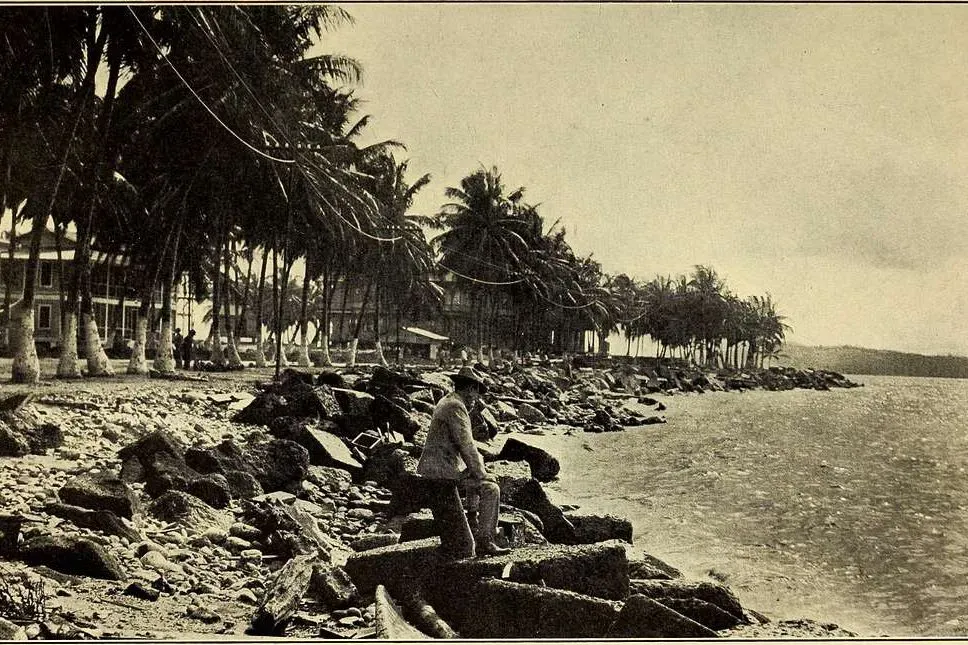
Historical accounts and photographs, including those in a November 1941 feature by National Geographic, depict a once-vibrant bay. Older residents commonly share memories of swimming along the Balboa Avenue beaches. Unplanned urban growth and a complete absence of sewage management deteriorated water quality throughout the mid-20th century. Official swimming bans were enacted in 1991 by then-Mayor Mayín Correa, who instituted fines up to one hundred dollars.
A pivotal shift occurred in 2013 with the inauguration of the Juan Díaz wastewater treatment plant. For the first time in the city’s history, sewage received processing before reaching the sea. This plant remains the project’s cornerstone, currently treating waste for approximately 840,000 residents. Its operation marked the beginning of a long recovery process, not the end.
The Persistent Challenge of Bacterial Contamination
Current health risks are primarily biological. While parameters like pH meet standards, dangerous bacteria levels persist. The maximum permissible limit for fecal coliforms is 200 colonies per 100 milliliters of water. Studies from the University of Panama, however, reveal readings hundreds of times higher in key areas after heavy rains. Samples near the Matasnillo river mouth and the Cinta Costera have registered between 16,000 and 100,000 colonies.
Similar spikes occur with enterococci, bacteria more resistant to saltwater. Safe limits hover around 35 colonies, but detected levels have reached 2,000. These pathogens can cause severe gastrointestinal illnesses, skin infections, and ear or eye problems. Some strains show troubling antibiotic resistance. The data paints a clear picture. The bay is not yet safe for swimming.
De Mendoza stresses that infrastructure alone cannot solve the problem. Citizen behavior directly impacts the system’s efficiency. The wrong materials entering drains create major blockages and treatment challenges.
“Users of the sewer system must be responsible with waste disposal,” De Mendoza stated. [Translated from Spanish] She emphasized that only cleaning water should go down kitchen drains, not oils or food scraps. Only human waste and urine should be flushed. Her team has found everything from food grease to entire light posts clogging the pipes.
Proper use prolongs the infrastructure’s lifespan and facilitates more effective treatment. Every inappropriate item sent into the sewers complicates the purification process and delays the bay’s recovery.
Illegal Discharges and Infrastructure Gaps
Another significant hurdle involves illegal sewage discharges. Contractors and some developments still bypass the collection network, dumping untreated wastewater directly into storm drains, canals, or rivers. This contaminated flow then travels straight into the bay. De Mendoza identified the Matasnillo River as a primary conduit for this illegal activity. Stopping these discharges is a constant enforcement and monitoring battle for program officials.
The existing treatment plant itself, while critical, does not yet provide full coverage for the sprawling metropolitan area. Serving 840,000 people leaves a substantial portion of the population’s waste untreated. Expanding this coverage is fundamental to the plan. The original project design included a vast network of intercepting tunnels and collectors to “capture” polluted flows. Completing this underground web is essential for channeling more wastewater to the treatment facility instead of the sea.
Progress continues incrementally. Crews work on different tunnel segments and system expansions across the city. Each new connected neighborhood represents a step forward. The pace of this construction, often unseen by the public, directly influences the final deadline for a clean bay. Officials must secure consistent funding and navigate the complexities of urban construction to maintain momentum.
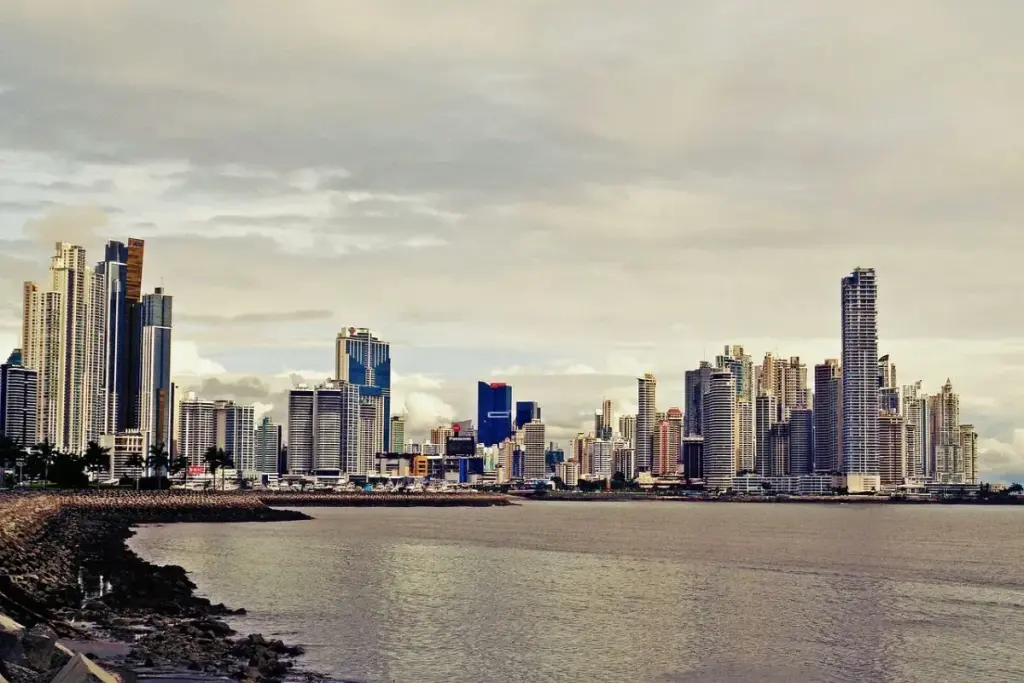
Panama Bay’s story mirrors a global urban environmental challenge. The path from a polluted waterway to a recreational asset is measured in decades, not years. It demands persistent investment, engineering precision, and a collective civic commitment. Residents watching the bay from the Cinta Costera today see a waterbody caught between its contaminated past and a potential future. That future depends on the pipes beneath their feet and the choices made in every household and business. The answer to when they can swim remains, quite literally, in the water.