



The Panama Institute of Meteorology and Hydrology has activated a surveillance advisory for high temperatures across much of the country. The warning will remain in effect through Sunday. Officials cite a low probability of rainfall as the primary cause for the extreme conditions.
Meteorologist Pilar López confirmed the advisory during a press briefing on Friday. She explained that reduced cloud cover will allow intense solar radiation to reach the ground. This combination drives up the Heat index, making the air feel significantly hotter than the actual temperature reading. The advisory covers the metropolitan region and several central provinces.
Meteorologist Details the Forecast and Associated Risks
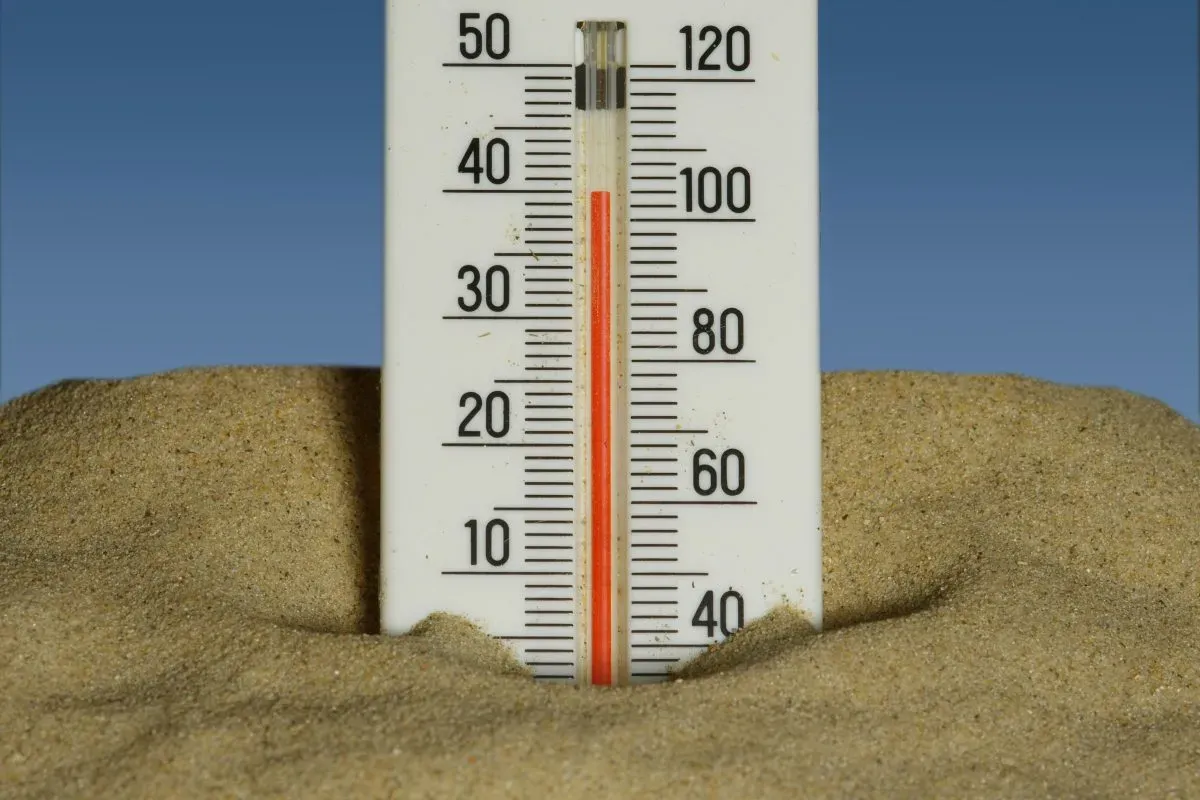
López provided specific temperature projections for the coming days. The country will see maximum temperatures ranging between 34°C and 36°C in several sectors. The metropolitan area will experience the highest heat index values.
“We are going to have low probabilities of rain across a large part of the country. This will generate greater solar incidence and will also translate into an elevated thermal sensation,” López said. [Translated from Spanish]
The situation could worsen due to an incoming weather phenomenon. López noted that a mass of Saharan dust is expected to arrive over the weekend. These fine particles can trap heat in the lower atmosphere. The dust layer will likely intensify the feeling of heat for residents.
Health Recommendations Issued for Vulnerable Populations
The Panama Institute of Meteorology and Hydrology has issued a clear set of guidelines for the public. Authorities urge citizens to drink water constantly to stay hydrated. They also recommend using sunscreen and wearing light-colored, loose-fitting clothing.
These precautions are critical during peak sun hours between 10 a.m. and 4 p.m. The institute warned that prolonged exposure could lead to heat stroke or dehydration. Children and the elderly face the highest risk during this weather event.
Meteorologists expect the high-pressure system to weaken by Monday. Rain chances should return to normal levels early next week. Until then, residents should limit outdoor activities and check on neighbors who lack air conditioning.