


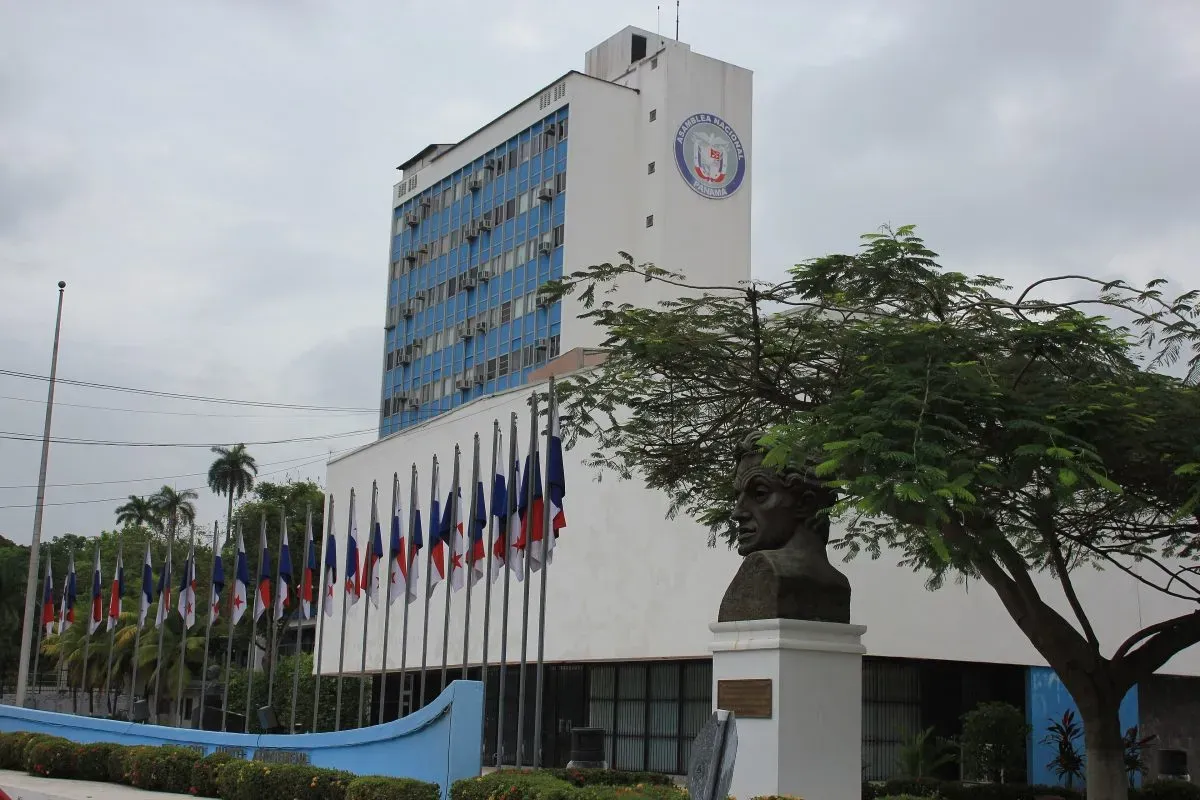
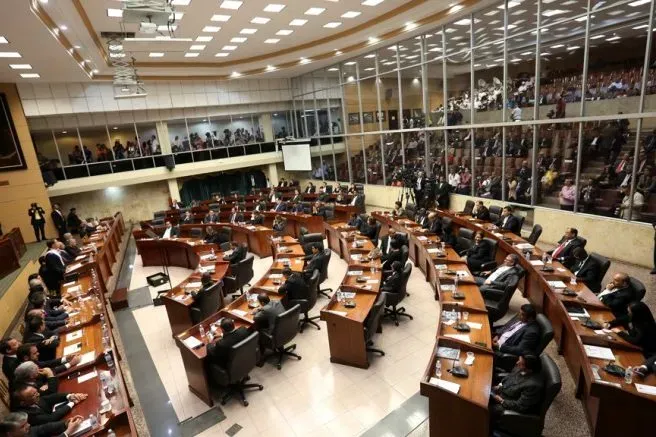
Panama’s National Assembly has declared a permanent session to debate new economic substance legislation. The proposed law would require multinational companies and entities with passive foreign income to maintain physical offices, hire local staff, and generate real operational expenses inside Panama. The Economy and Finance Commission made the announcement during extraordinary sessions this week.
The bill represents a major shift in Panama’s regulatory framework. Companies would need to demonstrate concrete presence including leased office space, payroll records, and verifiable operational costs. Supporters say the measure strengthens Panama’s international reputation. Critics worry about unintended consequences for key industries.
Representatives from business groups, legal associations, and maritime sectors attended the commission hearing. Some offered full backing. Others requested specific adjustments before the bill moves to first debate.
Multinational Companies Voice Support With Conditions
Tony Roldán, representing the Chamber of Multinational Companies known as Casem, delivered a stark warning to lawmakers. International investors are watching this debate closely.
“The decision adopted by this National Assembly is being closely observed by international investors, multinational companies, financial institutions and global economic actors,” Roldán said. [Translated from Spanish]
“We firmly believe Panama must seize this opportunity to project confidence, stability and strategic vision,” he added. [Translated from Spanish]
Roldán confirmed that roughly 190 Panama multinational companies currently operate in the country. These firms generate approximately 12,000 direct jobs and 25,000 indirect positions. Their combined contributions exceed 1.45 billion dollars. More than 70 percent of their operational costs remain inside Panama.
The chamber supports the bill’s advancement. But Roldán noted they have submitted specific observations during the discussion process. “We have sought to participate in this process constructively and responsibly,” he stated. [Translated from Spanish]
Legal Experts Raise Concerns About Penalty Structure
Not all testimony favored the current draft. Ramón Anzola from the International Lawyers Association questioned the proposed fine system. The bill imposes sanctions equal to 15 percent of certain values. But Anzola argued the legislation fails to distinguish between minor and serious violations.
A company could face the same penalty for lacking one additional employee as for complete non-compliance. Anzola described scenarios where firms with slightly lower operational expenses or one missing staff member would receive identical punishments to companies operating entirely offshore.
This lack of proportionality could create legal uncertainty. The National Assembly may need to amend the penalty framework before the bill progresses further.
Maritime Sector Warns of Competitiveness Risks
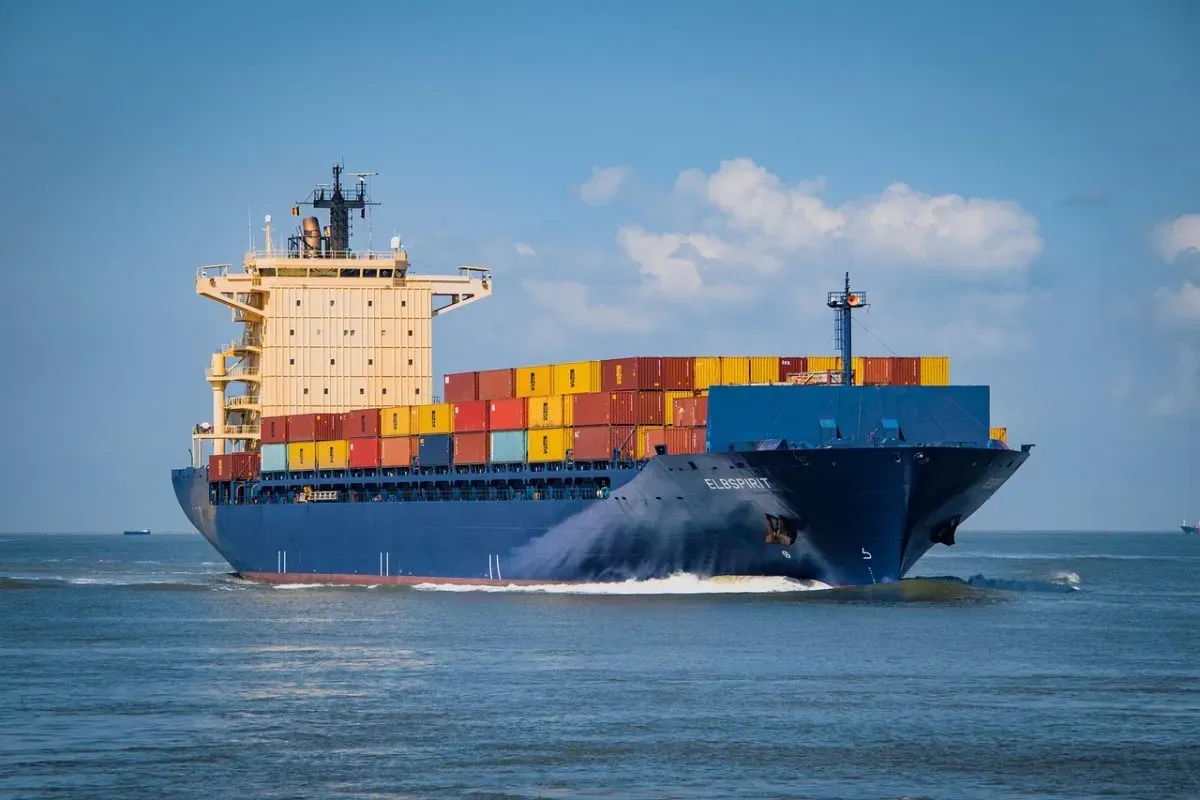
The Panama Maritime Law Association raised alarms about potential fallout. Some shipping companies might relocate operations to jurisdictions with lighter regulatory requirements. The Marshall Islands emerged as a possible alternative destination.
Panama’s shipping registry competes globally. Any regulatory disadvantage could push vessel owners toward other flags. The association urged lawmakers to consider the broader economic impact before finalizing the Economic Substance Legislation Panama framework.
The Economy and Finance Commission plans to continue hearing speakers through Thursday. Formal first debate discussions will follow. The Minister of Economy and Finance did not attend the session. But representatives from that ministry participated in the proceedings.
Elizabeth González contributed reporting for this article.
Más transparencia, más confianza y mejores perspectivas para Panamá.
— Ministerio de Economía y Finanzas de Panamá (@Mef_Pma) May 11, 2026
Con la aprobación del Proyecto de Ley 641 sobre sustancia económica se fortalecería la transparencia y continuaría mejorando la prima de riesgo del país, aseguró la viceministra de Economía, Eida Gabriela… pic.twitter.com/jk4kIj5K4P