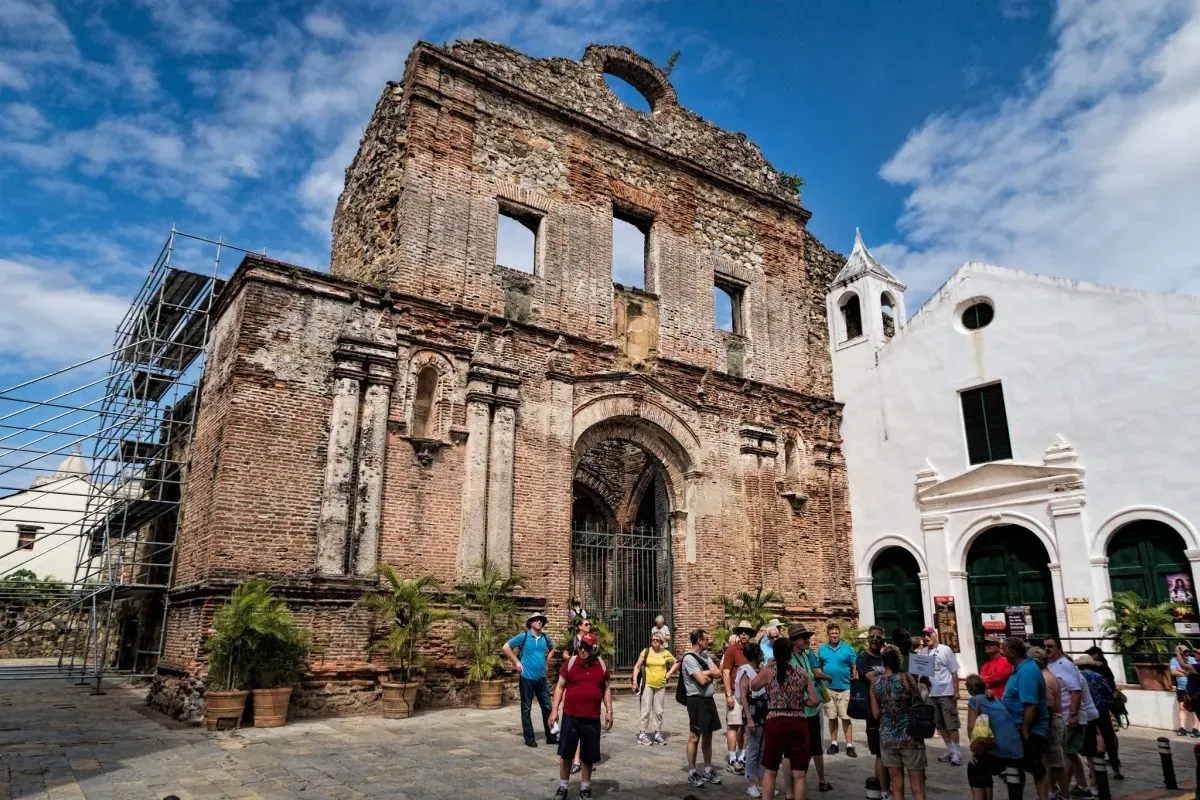
Panama’s tourism industry is calling for stricter penalties against criminals who target visitors. The National Chamber of Tourism of Panama, known as Camtur, made the demand this week. The push comes after a violent robbery of an elderly foreign couple on Avenida Balboa sparked fresh concerns about safety in key tourist zones.
📑 Table of Contents
Nadkyi Duque, president of the National Chamber of Tourism, said the incident was isolated but alarming. She stressed that Panama must protect its reputation as a safe destination for international travelers. The tourism sector generates billions of dollars for the national economy every year.
“We will work to see how we can apply more severe penalties for robberies against tourists,” Duque said. “We cannot attack one of the fundamental assets this country has, which is tourism.” [Translated from Spanish]
We will work to see how we can apply more severe penalties for robberies against tourists. We cannot attack one of the fundamental assets this country has, which is tourism.
Panama’s current penal code sets prison terms of 7 to 12 years for robbery. For aggravated robbery involving weapons or violence, the sentence ranges from 12 to 18 years. But industry leaders argue these punishments are not enough to deter criminals who specifically target tourists.
Crime Data Shows Persistent Problem
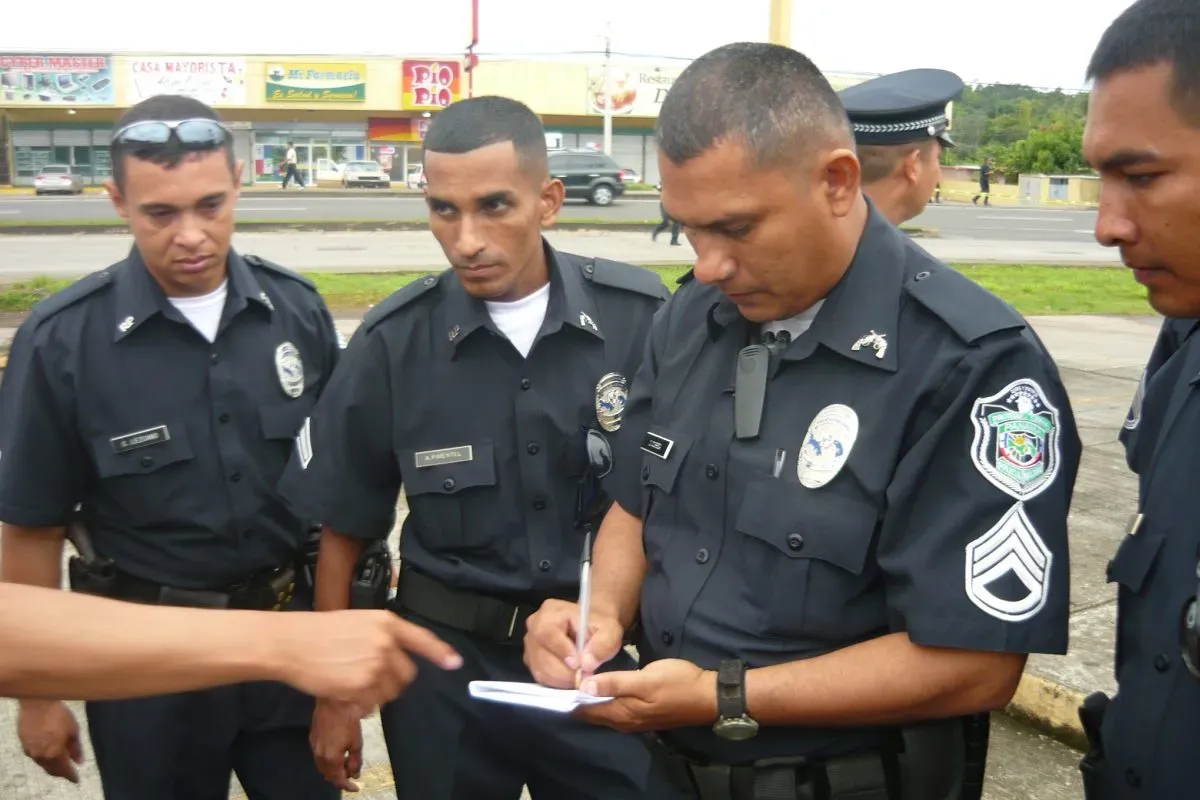
The latest crime statistics Panama reveal a troubling pattern. According to the Criminal Statistics System, the country reported 1,186 robbery cases in 2026 so far. That number sits nearly identical to the 1,189 cases recorded during the same period in 2025. Theft cases, defined as the fraudulent taking of property, carry sentences of just 1 to 3 years in prison.
Duque emphasized that security conditions must remain a top priority. The perception of safety directly influences whether tourists choose Panama over competing destinations in Central America and the Caribbean. The Panama Tourism Authority has worked for years to position the country as a premium travel destination.
Hotel operators are also taking action. Victor Concepcion, president of the Panamanian Hotel Association (Apatel), said several hoteliers in the Marbella district expressed concern after the Avenida Balboa incident. They have started implementing precautionary measures and advising tourists on how to avoid becoming victims.
“We are developing a plan that we will present to security agencies so that the Tourism Police increase their patrol rounds in the hotel area,” Concepcion said. “We are the safest country in the region and we must continue to ensure that.” [Translated from Spanish]
We are developing a plan that we will present to security agencies so that the Tourism Police increase their patrol rounds in the hotel area. We are the safest country in the region and we must continue to ensure that.

Government Responds to Industry Concerns
Gloria De Leon, administrator of the Panama Tourism Authority, acknowledged the industry’s concerns. She stated that the country remains safe for international visitors. But she confirmed that her office has formally requested increased security measures in tourist-heavy areas.
The debate comes at a critical time for Panama’s tourism sector. International arrivals have been climbing steadily since the pandemic. The country has invested heavily in marketing campaigns and infrastructure improvements. A single high-profile crime can undo years of positive perception building.
Duque made it clear that the private sector will not wait passively. Camtur plans to lobby lawmakers for legislative changes. The goal is to create specific criminal categories for crimes committed against tourists, with correspondingly higher penalties.
“We have to ensure that security is maintained so we can continue attracting international visitors,” Duque said. “This is not just about punishment. It is about prevention and sending a clear message that Panama takes the safety of its guests seriously.” [Translated from Spanish]
We have to ensure that security is maintained so we can continue attracting international visitors. This is not just about punishment. It is about prevention and sending a clear message that Panama takes the safety of its guests seriously.
The hotel association’s patrol plan could launch within weeks. Concepcion said the proposal includes specific routes and timings for police presence. The Tourism Police already operate in areas like Casco Viejo and the Cinta Costera. But hoteliers want expanded coverage during evening hours when most incidents occur.
Panama competes directly with Costa Rica, Colombia, and Mexico for tourism dollars. All three countries have faced their own security challenges. Industry analysts say Panama’s comparative advantage has always been its relative safety. Losing that edge could cost the economy dearly.
The coming months will show whether the government acts on the industry’s demands. Legislative changes require approval from the National Assembly. That process can take time. But with tourism revenues at stake, pressure is building for faster action.
For now, hotel staff are being trained to spot suspicious activity. Security cameras are being upgraded in key areas. And tourists are being reminded to stay vigilant. The message from the industry is clear: Panama wants visitors to enjoy their stay, not to become statistics.