


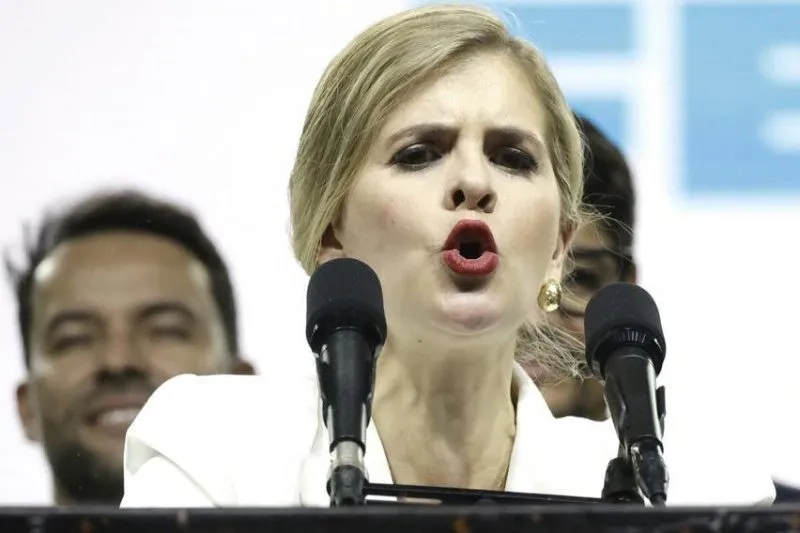
Panama’s government is ready to negotiate with Costa Rica but demands identical trade rules for both nations. Commerce and Industries Minister Julio Moltó made this position clear on Tuesday. He responded directly to recent statements from Costa Rica’s new president Laura Fernández who questioned Panama’s import restrictions on Costa Rican goods.
📑 Table of Contents
The trade dispute has simmered for years between the two Central American neighbors. Moltó emphasized that Panama seeks a balanced approach to resolving the conflict. “We are willing to sit down with the country, friends and brothers, at any time under the same conditions,” Moltó said. [Translated from Spanish]
The minister defended Panama’s position firmly during his remarks at the Panama Convention Center. He argued that current measures protect the national productive sector. “Panama is not protecting, it is making things adequate with its productive sector,” Moltó stated. [Translated from Spanish]
“Our productive sector also deserves respect. We are going to take care of it. Those are the president’s instructions and we want the rules to be equal for both parties.” [Translated from Spanish]
Moltó highlighted a critical point about domestic producers. During the pandemic these farmers and manufacturers proved their capacity to guarantee food supply across Panama. That demonstration of reliability changed the government’s approach. “It is a sector that during the pandemic showed us they were present and they are present growing, exporting and we are definitely going to continue supporting them because that is what is appropriate,” Moltó said. [Translated from Spanish]
Roots of the Trade Conflict
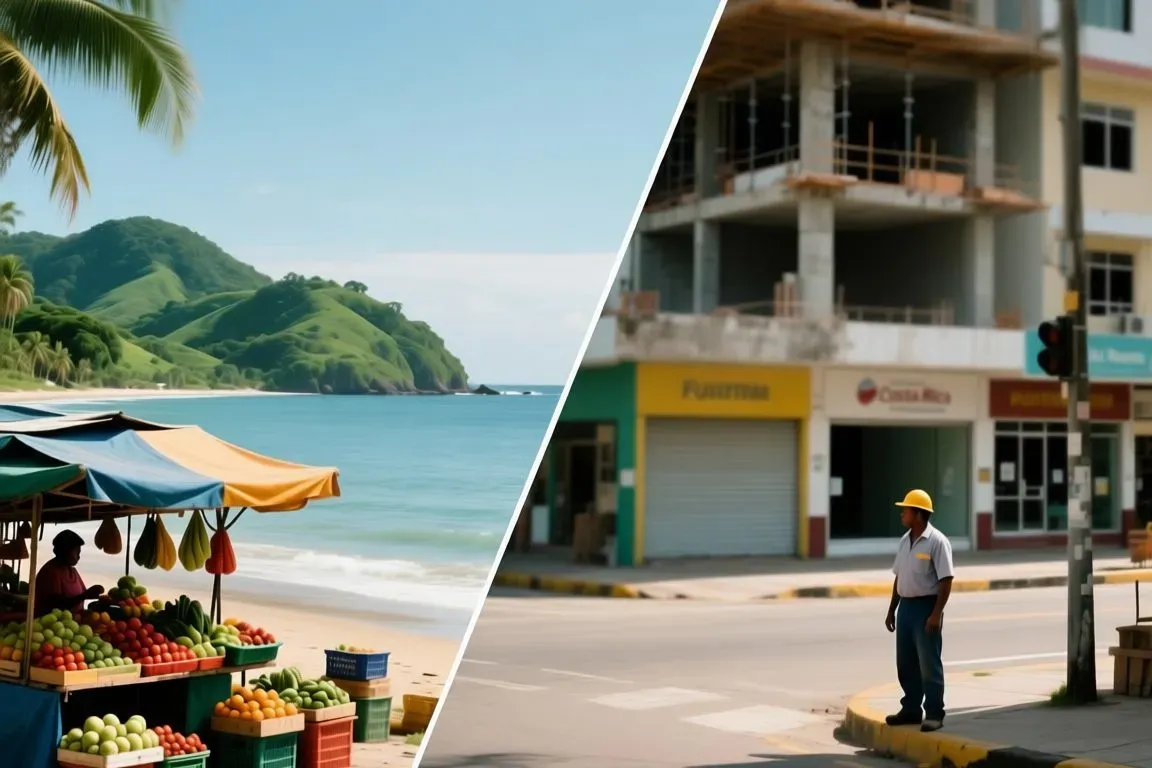
The current tensions trace back to a specific decision by Costa Rica. That nation suspended sanitary certifications for food exports from several Panamanian plants. These facilities operated in the meat, dairy and poultry sectors. They had exported products to Costa Rica for decades without interruption.
Panama responded immediately with reciprocal restrictions. The government applied similar measures to Costa Rican plants exporting dairy, meat and agricultural products. Panama cited sanitary criteria and the need to protect national production as justification for these actions.
This is not a new problem created by either current administration. Moltó acknowledged that the commercial situation did not originate under the present governments of either country. “There are many Panamanian plants that were selling to Costa Rica for decades and at this moment they cannot do it,” he noted. [Translated from Spanish]
The case remains unresolved. Panama did not accept a previous ruling and filed an appeal. No final resolution has been reached in the ongoing Panama-Costa Rica trade dispute.
Dialogue Remains Possible
Moltó expressed optimism about finding solutions through conversation. “I do believe that as a government we have the capacity to solve things, always taking care of our productive sectors,” he indicated. [Translated from Spanish]
The minister made these statements during a pre-inauguration event for the twelfth International Free Zones Congress held at the Panama Convention Center. The official inauguration takes place Wednesday with President José Raúl Mulino in attendance.
Business leaders gathered for bilateral meetings during the congress. They analyzed commercial strategies and market access opportunities. These discussions happen against the backdrop of ongoing trade tensions between the two nations.
Moltó’s message carried a clear tone. Panama wants to talk. But the rules must apply equally to both sides. That position leaves room for negotiation while drawing a firm line on reciprocity.
The coming weeks will test whether dialogue can bridge the gap. Both countries have strong agricultural sectors that feel the impact of these restrictions. Farmers on both sides of the border watch closely for any movement toward resolution.