



The commercial conflict between Costa Rica and Panama has entered a new and more serious phase. Costa Rican President Laura Fernandez confirmed her government will escalate the fight over agricultural export restrictions to the diplomatic arena. She made the announcement during celebrations for Farmers’ Day.
Fernandez described the situation as a “commercial blockade” that directly hurts potato, onion, and dairy producers in her country. The dispute centers on what Costa Rica considers unfair barriers to the Panamanian market. Technical conversations coordinated by the Ministry of Foreign Trade of Costa Rica have failed to produce results.
“The issue of the commercial blockade that Panama imposes on us in agricultural products is my top priority as well,” Fernandez said. [Translated from Spanish]
“I know that potato growers, onion farmers, dairy producers and others have been affected by the commercial blockade.” — Laura Fernandez, President of Costa Rica
Fernandez stated that technical negotiations have hit a wall. She has now instructed her Foreign Minister, Manuel Tovar, to activate international diplomacy mechanisms. The president also wants internal national actions to pressure for a solution.
“This is an issue that has already surpassed the negotiation stages of COMEX. I have transferred it directly to Chancellor Manuel Tovar.” — Laura Fernandez, President of Costa Rica
This hardened stance comes after a recent exchange of protocol visits between the two nations. Panamanian President Jose Raul Mulino attended Fernandez’s inauguration. That gesture of goodwill has not eased the underlying tension over trade.
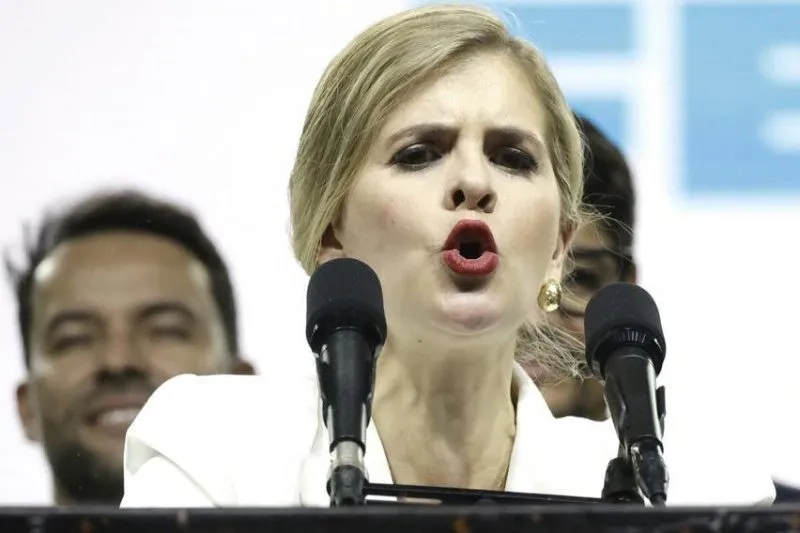
Agricultural Sector Demands Strong Action
Costa Rican farmers have grown impatient with the slow pace of negotiations. They want their government to take a tougher line against what they see as unfair restrictions. The president has publicly sided with them.
“I am on the side of Costa Rican producers,” Fernandez declared. [Translated from Spanish] “We will not consent to any imbalance in the commercialization and export of our country’s products.”
The core of the dispute involves phytosanitary barriers that Panama maintains. Costa Rica argues these measures go beyond legitimate health and safety concerns. They say the restrictions effectively block their agricultural goods from entering Panama.
This is not a new conflict. The Costa Rica – Panama trade dispute has simmered for years under the framework of the Dominican Republic-Central America Free Trade Agreement. Both nations are signatories to that pact.
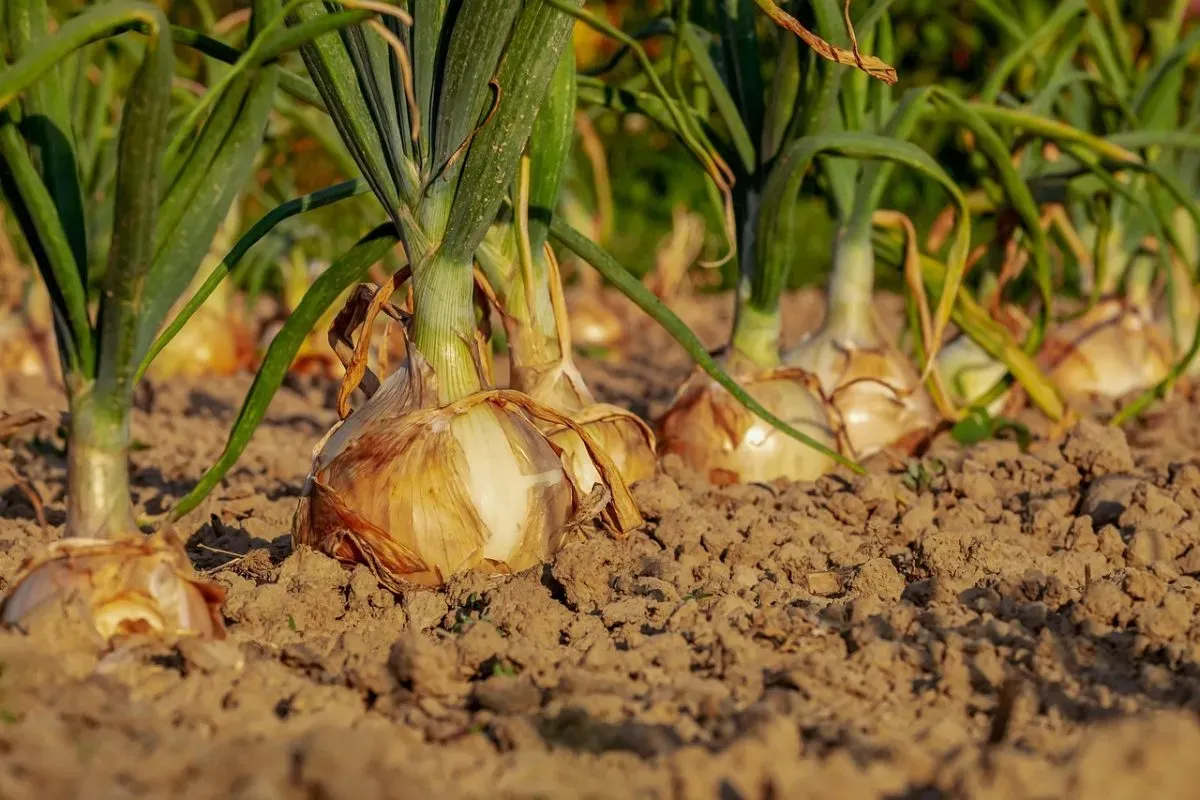
The Costa Rica government now believes the trade deal’s mechanisms are insufficient. They have moved the fight from technical committees to foreign ministries. That shift signals a major escalation.
Panama has not yet issued an official response to Fernandez’s latest statements. The Panamanian Ministry of Commerce and Industries typically handles such matters. Officials there were not immediately available for comment.
The new Costa Rican President has made agricultural trade a cornerstone of her early administration. She campaigned on protecting local farmers. This dispute now tests her ability to deliver on that promise.
Observers expect the diplomatic route to involve formal protests and possibly third-party mediation. Costa Rica could also seek a ruling from the dispute resolution bodies of the Central American Economic Integration System. Those processes take time.
For now, the message from San Jose is clear. The president wants action. She has given her foreign minister a direct mandate. The ball is now in Panama’s court.