


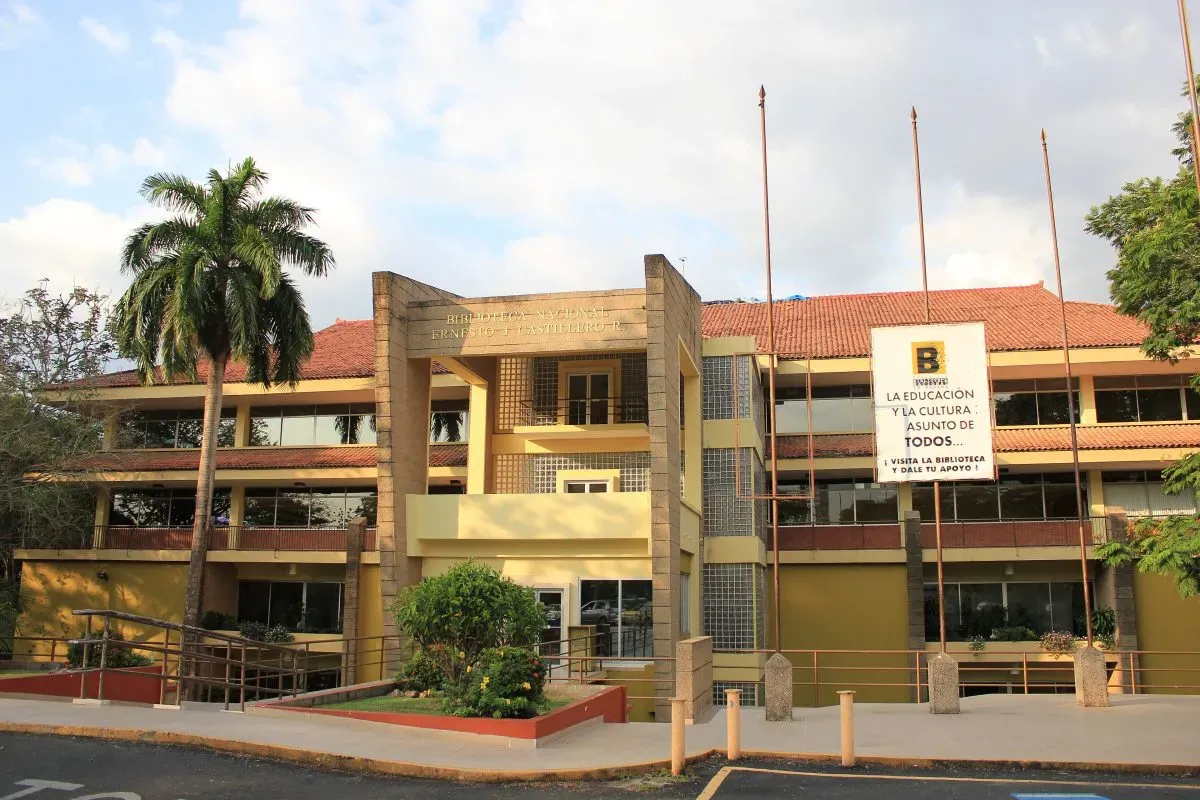
The Panama Ministry of Culture has officially started the process of moving the National Library into its direct institutional control. This transition follows the requirements set by the General Culture Law of Panama, enacted in 2020. The ministry announced the decision on June 9, 2026, citing a formal resolution signed the previous day.
📑 Table of Contents
Resolution OAL-R-No. 157-2026, dated June 8, 2026, triggers the transfer of the Ernesto J. Castillero R. National Library and all public libraries to the ministry’s authority. Officials said this move protects the nation’s bibliographic heritage. It also ensures library services continue without interruption for the public. The transition addresses concerns raised by employees of the Pro National Library Foundation, the entity that previously managed the institution.
The ministry described the process as orderly, progressive, and legally secure. Officials stressed the importance of preserving cultural and educational services. The National Library of Panama serves as a central resource for researchers, students, and citizens across the country. Its collections include historical documents, rare books, and national archives dating back centuries.
Worker Rights and Legal Framework
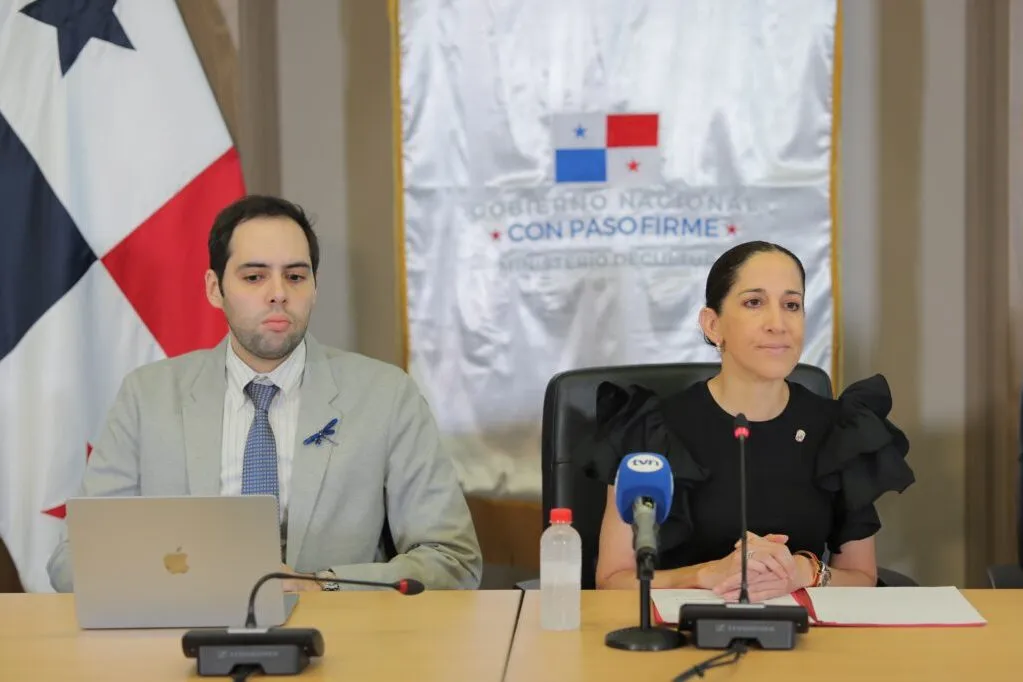
The Ministry of Culture stated the transition will respect all worker rights under Panamanian labor law. Private obligations between the Pro National Library Foundation and its employees must be documented and settled by the responsible parties. The ministry will not assume liabilities created by the foundation’s private labor contracts.
Officials emphasized that the General Culture Law of Panama mandates this institutional shift. The law, passed in 2020, reorganized cultural oversight in the country. It placed the National Library under the direct authority of the Panama Ministry of Culture, ending the foundation’s management role.
“The National Library is an essential institution for the cultural, educational and historical life of Panama,” a ministry spokesperson said. “This process seeks to give it stability, institutional order and a clear path forward, protecting its services, its documentary heritage and the rights of those who have contributed to its operation.” [Translated from Spanish]
Culture Minister Evelyn Muñoz signed the resolution personally. She called the transition a historic responsibility. The ministry must now safeguard the country’s documentary memory while maintaining public access to knowledge.
Impact on Public Library Services
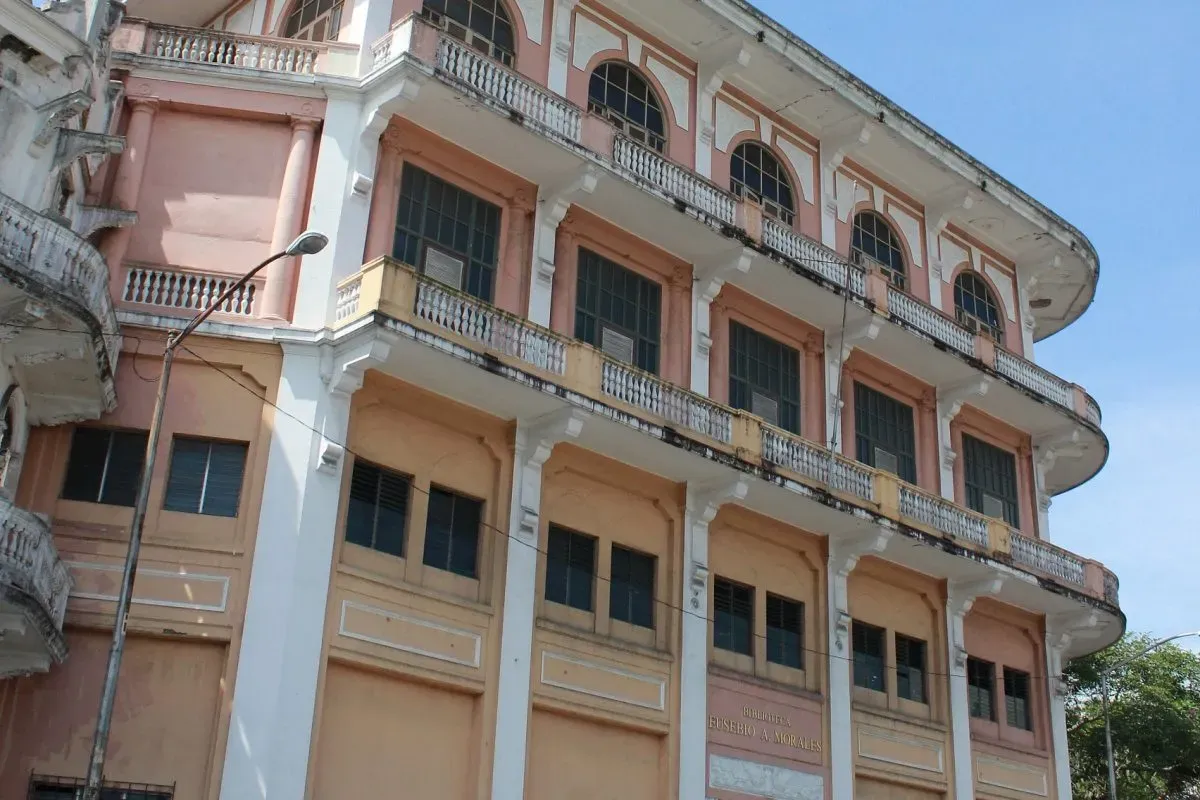
The transition affects not only the main National Library in Panama City but also public libraries throughout the country. These branches provide reading materials, internet access, and community programs. Many serve remote areas with limited cultural resources.
Library patrons should expect continued operations during the transfer period. The ministry promised to keep the public informed about any changes. Officials said the transition aims to strengthen the state’s cultural leadership role. It also ensures democratic access to information for all Panamanians.
The Pro National Library Foundation managed the National Library for many years. Foundation employees expressed uncertainty about their job security after the announcement. The ministry acknowledged these concerns and pledged to handle the transition with institutional sensitivity.
Legal experts say the transfer process could take months to complete. The ministry must inventory all collections, assess building conditions, and integrate staff into the government payroll system. Each step requires documentation and approval from multiple agencies.
Panama’s cultural sector has watched this transition closely since the General Culture Law passed six years ago. The law represented a major overhaul of how the country manages its cultural institutions. It created the Ministry of Culture as a standalone cabinet-level agency, separate from the Ministry of Education.
The National Library Building, located in the historic Casco Viejo district, houses thousands of volumes including colonial-era manuscripts. The structure itself dates from the early 20th century. Preservationists have called for increased funding to maintain the facility and its contents.
Scholars and researchers rely on the National Library for access to Panama’s historical records. The collection includes government documents, maps, newspapers, and personal papers of notable Panamanians. Losing access during the transition could disrupt academic work.
The ministry pledged transparency throughout the process. Regular updates will be published on official channels. Officials said the transition represents a fulfillment of the law’s mission to protect cultural heritage and ensure democratic access to knowledge.
This institutional change comes as Panama invests in cultural infrastructure. The government has renovated museums, expanded archaeological sites, and increased funding for arts programs. The National Library transfer fits within this broader cultural development strategy.
For now, the National Library remains open to the public. Staff continue their daily operations while the legal transition proceeds. The ministry expects to complete the transfer by the end of the fiscal year.