


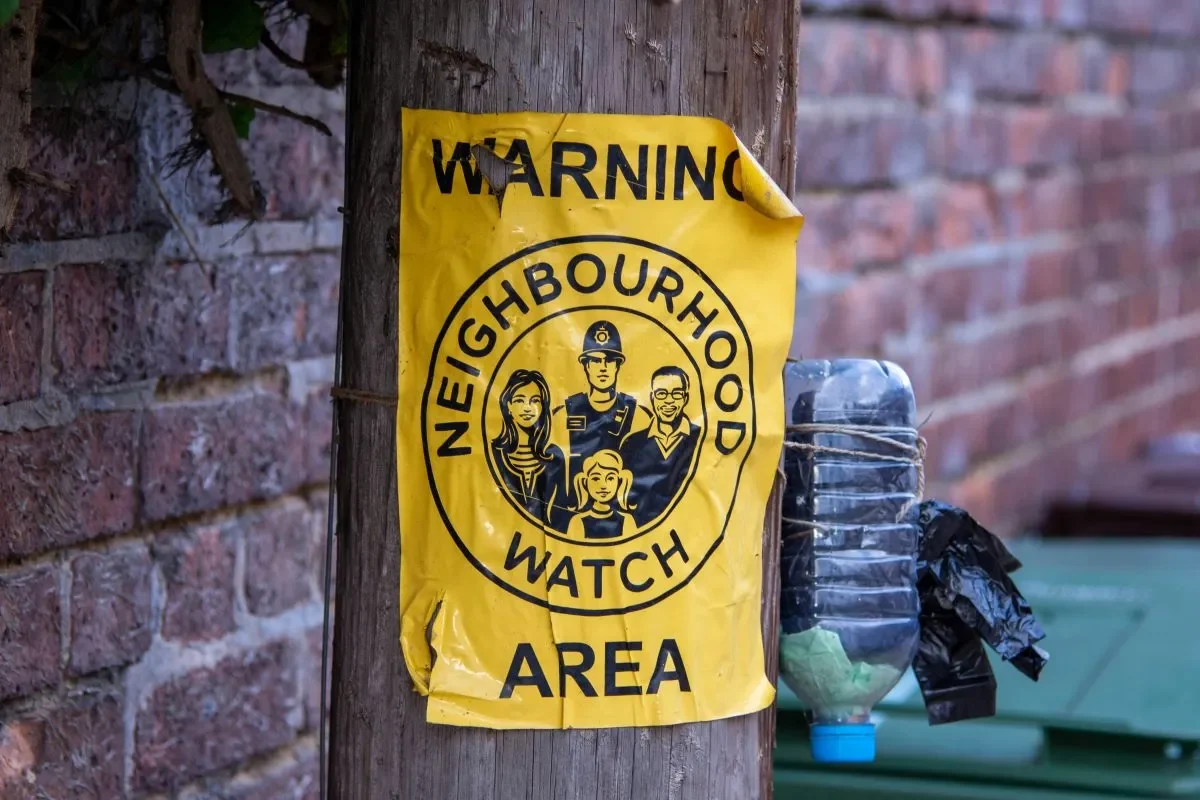
Residents of Panama City’s iconic El Cangrejo district had reached a breaking point. The mix of late-night bar crowds along Vía Argentina, a string of petty thefts, and stretches of poorly lit sidewalks finally pushed 16 apartment buildings to band together and launch a structured neighborhood watch. The newly activated El Cangrejo neighborhood watch is a direct, phone-in-hand response to what many locals describe as a steady erosion of peace in the busy Bella Vista corregimiento.
Rising Nightlife Tensions Spark Community Action
The tipping point wasn’t a single incident but a grinding accumulation of noise complaints, public disorder, and thefts that spiked after dark. For years, Vía Argentina has drawn a vibrant restaurant and bar scene, but its popularity also amplified the kind of friction that frays neighborhood trust. Loud music bleeding into the early morning hours, groups spilling onto the streets, and opportunistic criminals targeting open windows and unattended property became routine grievances. Residents say the lack of consistent lighting in some pockets only deepened the unease, making the walk from a parking spot to a front door feel riskier than it should.
Community leaders started pushing for more than the occasional 911 call. They wanted a direct channel to police patrols, a group that could flag a problem on Vía Argentina while the music was still thumping, not just file a report the next morning. That desire for real-time coordination is what gave birth to the El Cangrejo neighborhood watch, formally aligning with the National Police’s “Vecinos Vigilantes” framework. Organizing wasn’t a simple overnight effort; volunteers had to recruit buy-in from 16 separate residential towers, schedule orientation sessions, and convince busy renters and condo owners alike that the extra WhatsApp group was worth their attention.
How the El Cangrejo Neighborhood Watch Operates
At the heart of the program sits a blend of old-fashioned communication and modern tech. Members now have dedicated citizen service numbers, direct contacts with police agents, and a group chat that buzzes with alerts about suspicious activity, noise spikes, or people in distress. The idea is to shrink the time between witnessing a problem and activating a response. Major Ariel Caballero, who spearheaded the police side of the rollout, explained the dual purpose of keeping tabs on “diverse public order needs, street dwellers, and also minors at social risk,” while giving residents a tool to protect their own blocks.
Every report feeds into a broader monitoring system. The neighborhood already benefits from a network of security cameras, but Caballero stressed that cameras alone aren’t enough. When a resident notices a bar’s volume creeping past tolerable limits or a person casing the sidewalk, a quick heads-up lets nearby bicycle patrols, motorcycles, vehicles, or foot officers adjust their routes immediately. This layered coverage makes the El Cangrejo neighborhood watch more than a casual phone tree; it becomes an extension of the police department’s daily patrol patterns.
Police Coordination and the Challenge of Organizing 16 Buildings
Getting a large, diverse vertical neighborhood onto the same page didn’t happen overnight. Caballero acknowledged the logistical puzzle candidly.
“It cost us a little bit, because it’s a difficult area due to the infrastructure, 16 buildings, bringing them together, organizing them, scheduling them, it cost us a little bit, but we did manage to do it” [Translated from Spanish]
The effort meant multiple orientation meetings where officers walked residents through exactly how the program reports would be handled, what kind of incidents to flag, and how to avoid flooding the channels with non-emergency chatter.
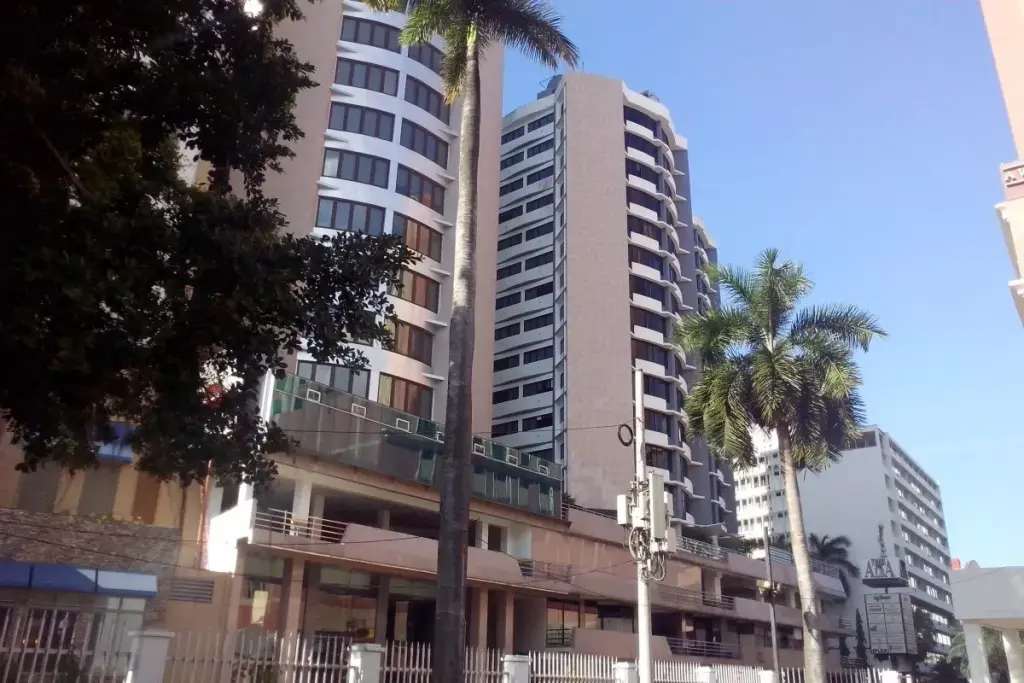
That groundwork matters because Bella Vista already runs 22 neighborhood watch initiatives. The El Cangrejo neighborhood watch joins a larger tapestry of community policing, but its dense commercial and nightlife mix makes it uniquely tricky. Officers keep a steady presence using cyclists who can weave through traffic on Vía Argentina, motorized units for rapid response, and beat cops who learn the regular faces. The police department’s message to residents is clear: report incidents punctually and let the patrols adjust in real time. Caballero noted that communication flows both ways, with officers constantly checking in and residents “letting us know their complaints and concerns about certain situations that happen in the area” [Translated from Spanish].
A Broader Push for Community Policing in Bella Vista
The activation in El Cangrejo reflects a wider reliance on community-driven safety models across Panama City. Neighborhood watch programs, long a staple in suburban areas, are now taking root in mixed-use urban corridors where the line between a lively streetscape and a safety hazard can blur fast. In Bella Vista, the 22 established groups indicate that police leadership sees these decentralized networks as essential for managing everything from noise ordinances to welfare checks on at-risk youth. The local circuit of surveillance cameras provides a technological backbone, but police emphasize that only residents know the subtle rhythms of their own blocks, a bar that normally closes by midnight suddenly roaring at 2 a.m., or a familiar street vendor who seems to be in distress.
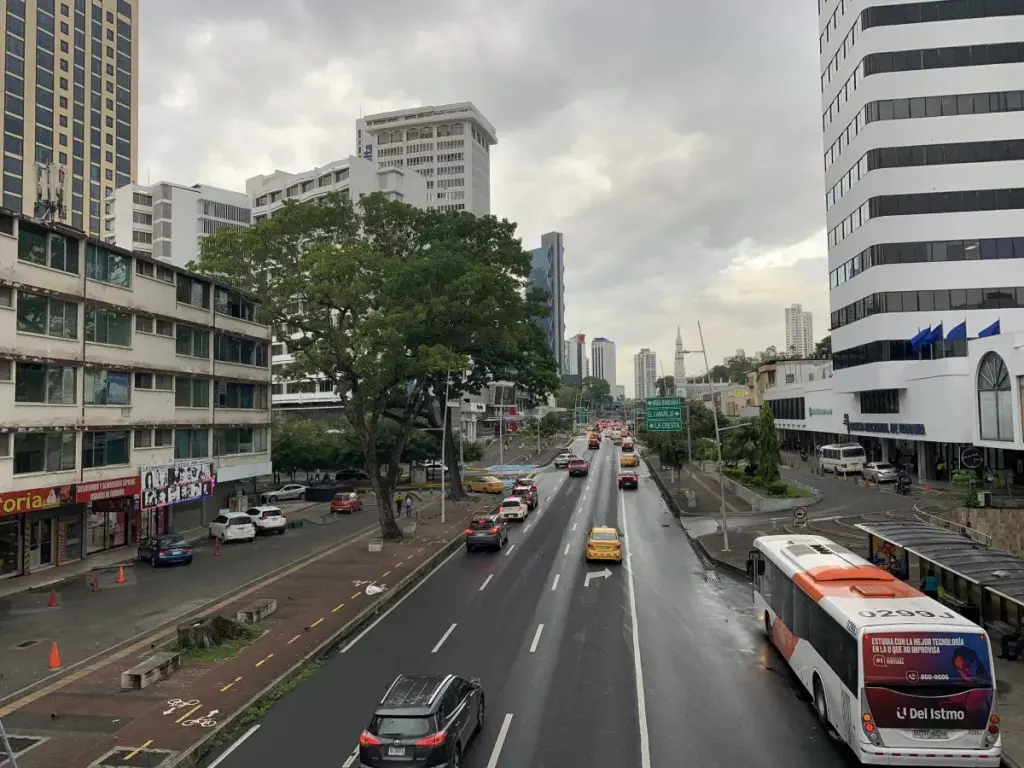
Residents haven’t shied away from naming their top priorities, and noise from several bars on Vía Argentina sits right at the top. Public order disturbances follow closely, along with thefts and the pressing need to replace broken or missing streetlights. The program doesn’t promise to wipe out these problems overnight, but it does shift the dynamic from isolated complaints to organized, documented pressure. When a dozen building representatives report the same noise spike at the same hour, police have the kind of data that can justify targeted enforcement or conversations with bar owners.
Ultimately, the success of the El Cangrejo neighborhood watch will hinge on consistency, both from residents who must shake off the fatigue of long-standing nuisances and from police who have to show that every alert gets the proper weight. The early signs point to a community that is tired of waiting for top-down fixes and ready to make the first move. With dedicated numbers, a buzzing chat group, and patrols already weaving through the streets on bikes and motorcycles, El Cangrejo is betting that a tightly knit network of neighbors can reclaim the quieter, safer atmosphere that older residents remember well.