


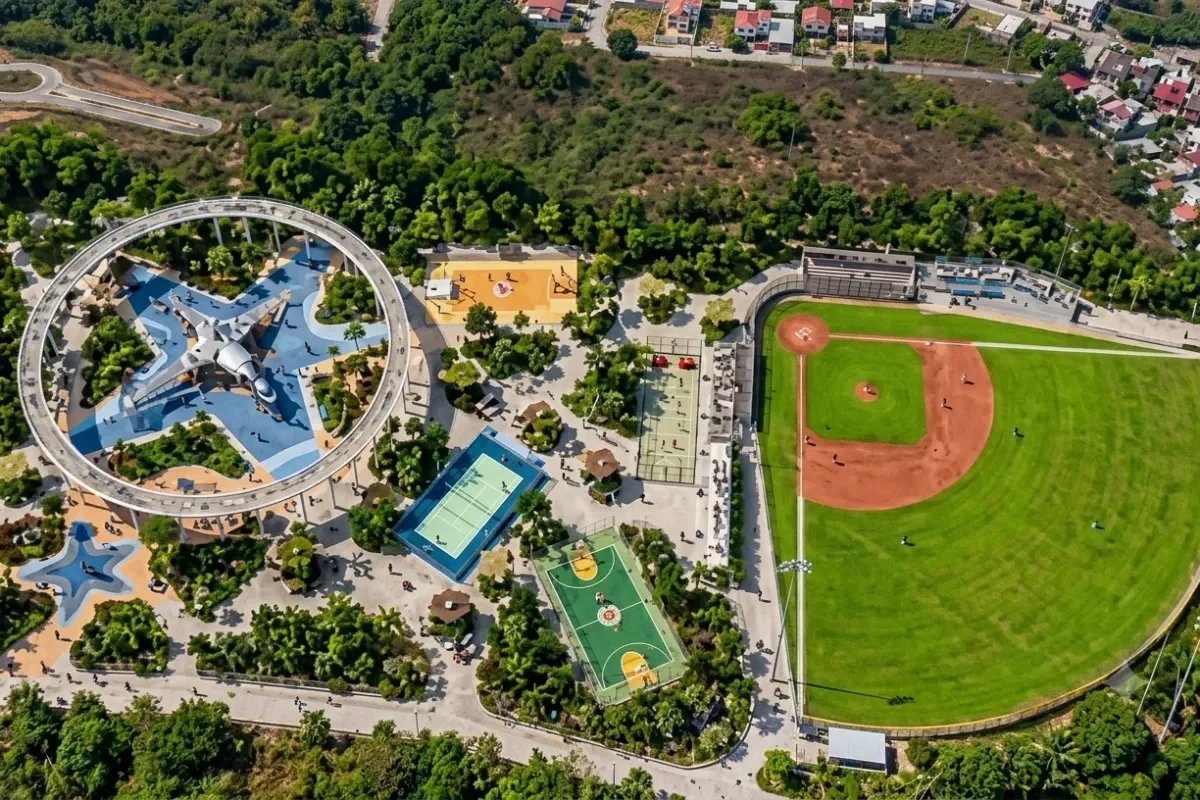
Eastern Panama City has long struggled with a shortage of green spaces, a reality that municipal planners are now tackling head on. At the center of that effort sits a planned Tocumen recreation park, a two-hectare project that cleared a key hurdle this month when city officials presented the concept to residents in a public hearing. The session, required to tap decentralization funds, marks a decisive step toward transforming a deteriorated patch of land near the country’s busiest airport into a vibrant community hub.
A Chronic Shortage of Green Spaces in Eastern Panama
Informal, unplanned growth has reshaped the eastern corridor of the capital for decades. Neighborhoods expanded rapidly along the Pan-American Highway and around Tocumen International Airport without the parks, plazas, and pedestrian connections that older districts take for granted. David Tapia, director of Urban Planning for the Municipality of Panama, didn’t mince words when describing the deficit.
“Definitely, the east of Panama City has had growth, how can I call it?, informal, not planned; there is an extremely high deficiency in green area per person” [Translated from Spanish]
That diagnosis isn’t new, but the response is gaining momentum. The Tocumen project, along with a recently approved proposal for another park in the Las Garzas area, signals a deliberate push to inject recreation space into neighborhoods that have long watched development boom around them without reaping the civic benefits. Urban policy experts often note that Panama’s decentralization law, which channels central government funds to local governments, has given town halls the tools to close these gaps more aggressively than in the past.
Design and Features of the Tocumen Recreation Park
The land sits on airport property, on the La Siesta side, and already functions as a makeshift park, though its facilities have fallen into disrepair. The new design aims to match the scale of Urracá Park, one of the city’s best-known green lungs, which also spans roughly two hectares. Plans call for full-size baseball, football, volleyball, and basketball courts, along with shaded rest areas and children’s play zones.
What sets this Tocumen recreation park apart from a simple sports complex is the attention given to how people will reach it. Tapia confirmed that the investment includes upgrades to sidewalks bordering the airport and improvements to the pedestrian crossings residents currently navigate. “For now we estimate we have $12 million for the park. Because the park also includes improvements to connectivity to the park,” he said, underscoring that access is baked into the budget, not an afterthought. That linkage matters in a corridor where busy roads and airport perimeter traffic can make walking a challenge.
Funding, Tender, and Construction Timeline
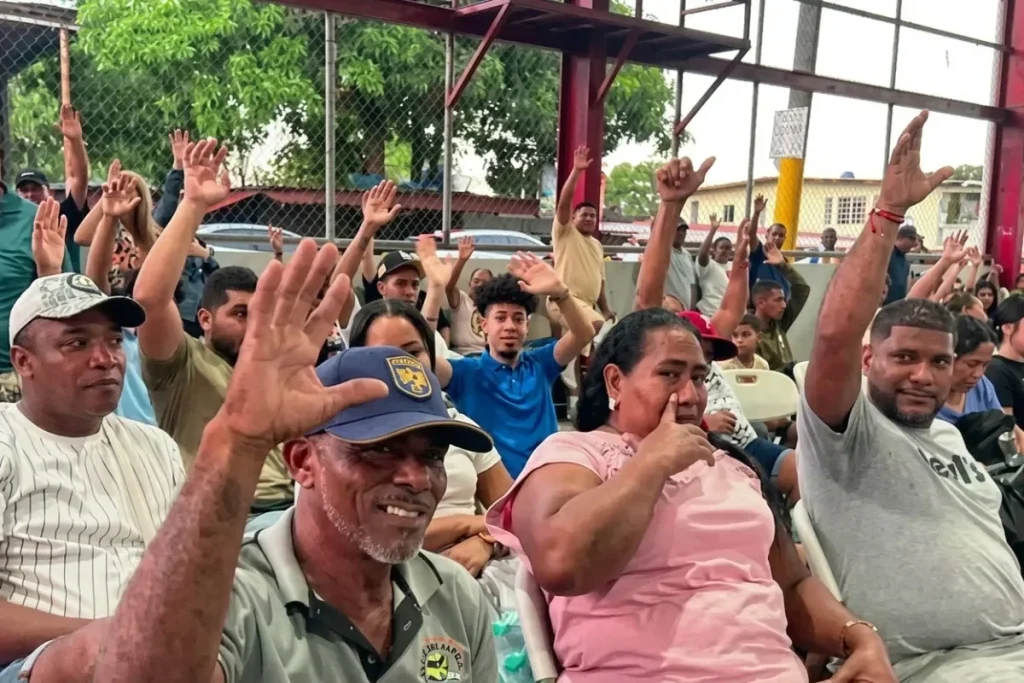
Money for the project will flow from the National Authority for Decentralization, a mechanism that empowers municipalities to address local infrastructure priorities. After the recent public hearing, which gathered community support, the city’s urban planning team moved directly into drafting the detailed bid documents.
“We are now detailing the bid documents. The public hearing was to get community approval, interest in the park” [Translated from Spanish]
Tapia’s office expects to launch the tender before the end of 2026. If that schedule holds, shovels could hit the ground in 2027, with construction taking no more than a year and a half. The municipality calculates the Tocumen recreation park could be delivered to the community by late 2028. That timeline leaves room for the procurement process and for the Comptroller General’s Office to review and endorse contracts, a step that can introduce delays but is standard for public works of this scale.
Pocket Parks and Broader Urban Renewal Efforts
While the Tocumen project captures attention for its size, city hall is simultaneously planting smaller green patches across the urban core. Officials recently awarded contracts to build 10 pocket parks in the districts of Bella Vista, San Francisco, Calidonia, and Santa Ana. Each one will occupy less than 500 square meters, carved from underused lots or strategic corners that can improve both pedestrian flow and neighborhood aesthetics. Those contracts are headed to the General Comptroller’s Office for the required endorsement before work can begin.
The pocket park concept isn’t untested. The municipality has already intervened in three similar spaces, including one in Curundú and another in Bella Vista, and plans to tender additional batches of ten parks in different parts of the city. This layered strategy, combining major regional facilities like the Tocumen recreation park with hyperlocal pocket parks, reflects a growing consensus that green space isn’t a luxury but a basic component of public health and social cohesion. By stitching together large and small projects, the city aims to chip away at the deficit Tapia described, one neighborhood at a time.
For residents of Tocumen and the surrounding eastern townships, the promise of a modern recreation space signals more than new sports courts. It represents a long-overdue investment in quality of life for a part of Panama City that has watched the airport fuel economic activity for decades without a proportional share of civic amenities. If the timeline holds, by the close of 2028 the east will finally have a green gathering point scaled to match the size and energy of its population.