


The head of Panama’s national water authority dropped a bombshell this week. Antonio Manuel Tercero González, director of the Institute of National Aqueducts and Sewerage Systems (Idaan), confirmed the agency loses 50 percent of the water it produces in Panama City due to broken pipes. The staggering figure emerged during a press conference outlining the agency’s emergency rescue plan.
The Chilibré water treatment plant produces 217 million gallons of water every day. Half of that volume never reaches paying customers. It simply leaks out of the aging distribution network before it can reach homes and businesses.
The Chilibré Plant Is in Intensive Care
Tercero did not mince words about the country’s primary water source. Years of underinvestment have taken a serious toll on its infrastructure.
Stabilizing the plant requires at least 50 million dollars in new equipment. The Idaan needs new motors, pumps and upgrades to the electrical substation. That funding will come from the 2027 budget, which the director said has been prioritized.
“The Chilibré plant is in intensive care,” said Antonio Manuel Tercero González, director of the Idaan. [Translated from Spanish]
In the meantime, the Idaan is repairing existing motors and purchasing new components. The agency is racing against time to prevent a complete system failure. Engineers are working around the clock to keep the plant operational.
Operation Panama Without Leaks Targets 300 Repairs
The Idaan launched a new initiative called Operation Panama Without Leaks. The program brings repair crews from different regions together to sweep specific neighborhoods. Teams have already fixed more than 300 leaks in Betania, Juan Díaz and San Miguelito.
Those repairs have recovered three million gallons of water per day for the system. That is a significant gain but barely scratches the surface of the overall problem. Panama water loss rates are among the highest in the region, according to World Bank data.
The director acknowledged a critical shortage of field workers. The Idaan employs 3,005 people, but most hold administrative positions. Metropolitan repair crews have only three workers each. That is simply not enough to tackle a citywide crisis.
Tercero announced a major staffing shift. He will transfer vacant administrative positions to hire technical personnel. The agency needs plumbers, electricians and other skilled tradespeople. These workers will directly address the leak crisis in the streets.
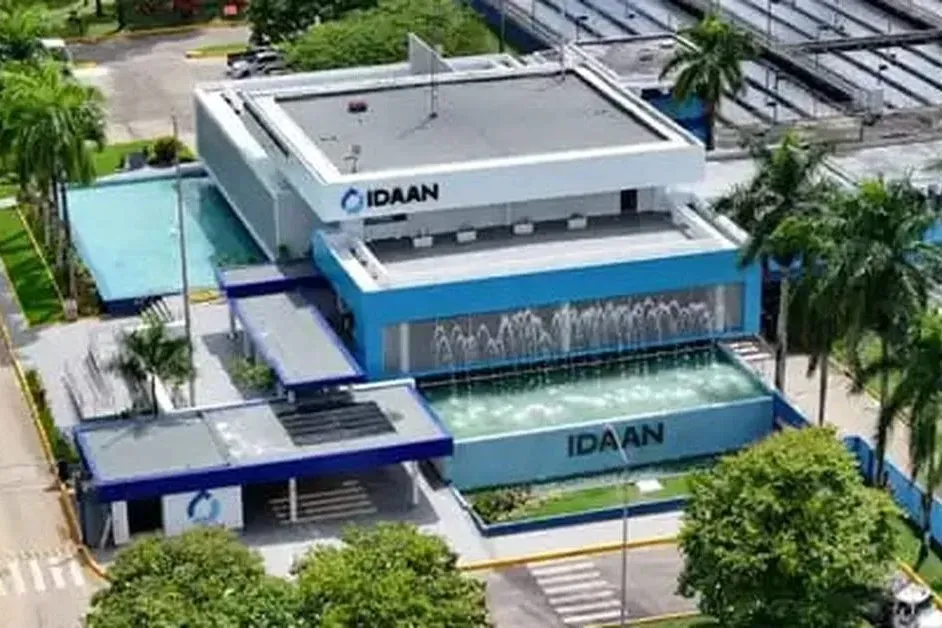
Debt Reaches 133 Million Dollars
The financial picture looks equally grim. The Idaan faces a delinquent portfolio of 133 million dollars from residential and commercial customers. Tercero issued a direct plea to the public. “You have to pay for water so that Idaan can make the investments,” he urged. [Translated from Spanish]
Past contracts have created additional financial burdens. The agency owes more than 39 million dollars for water truck services accumulated between 2013 and 2025. To reduce this dependency, the Idaan is repairing its own fleet. Twenty-eight vehicles were out of service. Many are now back on the road.
Progress in Azuero Peninsula
Outside the capital, work continues on the Azuero Peninsula. The Idaan is rehabilitating and expanding the local water treatment plant. New filters are being tested with encouraging results. The agency has also awarded a contract to improve water conveyance from the Rufina Alfaro plant to the districts of Guararé and Las Tablas.
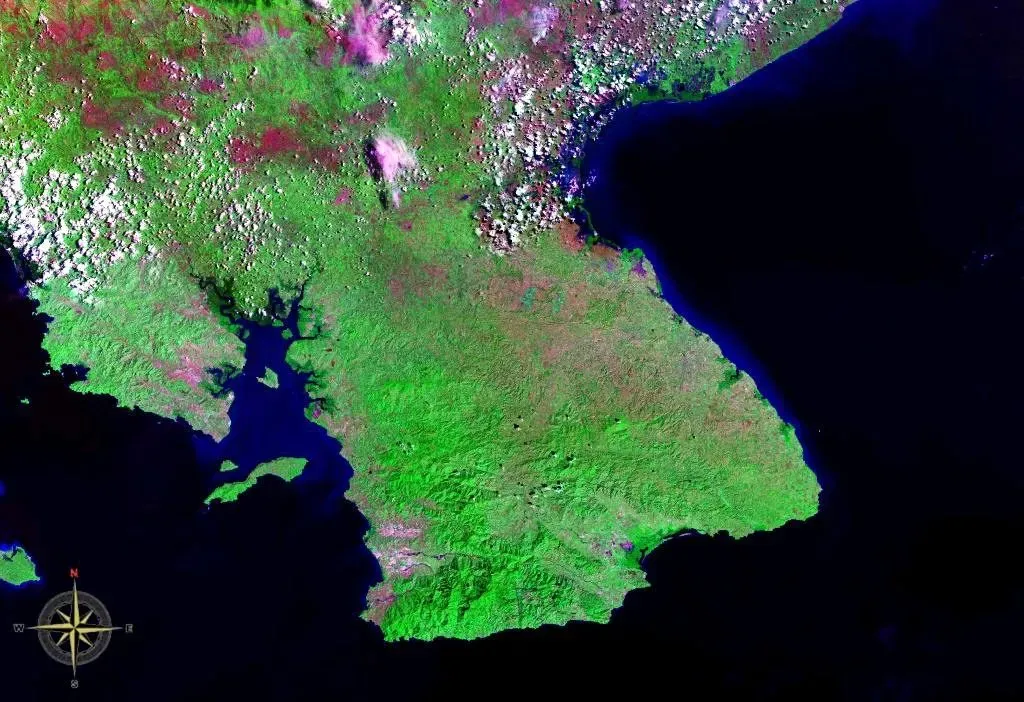
These projects aim to reinforce the network in the short term. Residents in those areas have faced intermittent service for years. The upgrades should provide more reliable access to clean drinking water.
The Idaan’s challenges are enormous. Half the water in Panama City disappears before it reaches anyone. The treatment plant is barely holding together. The workforce is top-heavy with administrators instead of repair technicians. And the debt keeps growing.
Tercero’s plan is ambitious but faces serious obstacles. The 2027 budget is years away. The staffing reorganization will take months. And changing public payment behavior is a long-term cultural shift. For now, the agency is doing triage on a system that has been neglected for decades.