


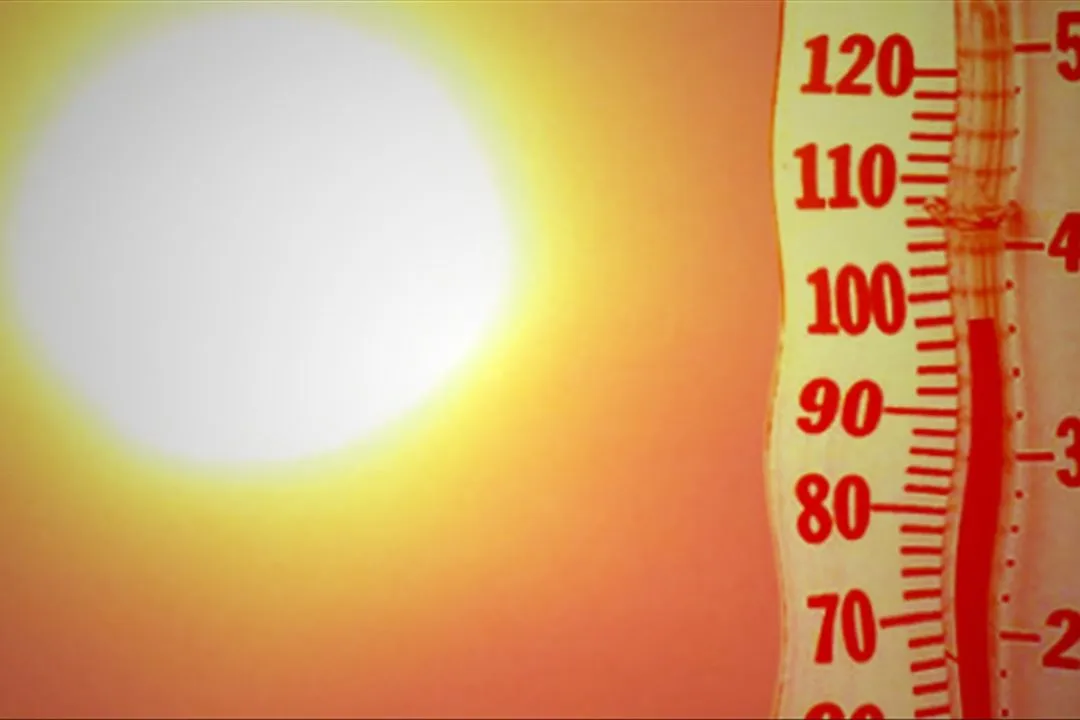
Walking outside in Panama City this week feels like stepping into an oven. The air is thick, the sun is relentless, and your skin starts to prickle within minutes. That’s not just your imagination. The Institute of Meteorology and Hydrology of Panama has issued a warning. The heat index, or what your body actually feels, could hit between 39 and 41 degrees Celsius across the Pacific region. This isn’t a normal summer spike. It is a perfect storm of weather events colliding over the isthmus.
Three Weather Systems Converge Over Panama
Meteorologist Emmanuel Velázquez explained that Panama is currently trapped under a triple threat. A dry air mass is sitting over the country. Remnants of Saharan dust are still floating in the atmosphere. And the annual San Juan summerlet has officially begun. These three factors are working together to bake the nation. “We continue with a very dry air mass that is still moving over our region,” Velázquez said. “This is combined with the displacement of some Saharan dust particles that remain over sectors of the national territory” [Translated from Spanish].
The lack of cloud cover is the real problem. Without clouds to block the sun, ultraviolet radiation hits the ground directly. This makes the heat feel far more intense than the actual temperature reading on a thermometer. In Panama City, thermometers are already showing 34 degrees Celsius. In inland areas, they are hitting 36 degrees Celsius. But the humidity is the hidden factor that pushes the heat index into dangerous territory. “When you add the ambient humidity, it will cause a greater thermal sensation on people and also on animals,” Velázquez added [Translated from Spanish].
The San Juan Summerlet Returns with a Vengeance
Panama has a unique weather quirk. Right in the middle of the rainy season, there is a short dry spell called the San Juan summerlet. It started on June 24 and will run through June 30. Normally, it is a brief break from the rain. This year, it is hitting much harder. The reason is the El Niño phenomenon. El Niño is already warming the Pacific Ocean and changing global weather patterns. When you layer El Niño on top of the San Juan summerlet, you get extreme conditions. “Since June 24, the start of the San Juan summerlet was declared,” Velázquez noted. “It is going to extend until June 30 and, when combined with the occurrence of the El Niño phenomenon, you can perceive that it has been quite strong” [Translated from Spanish].
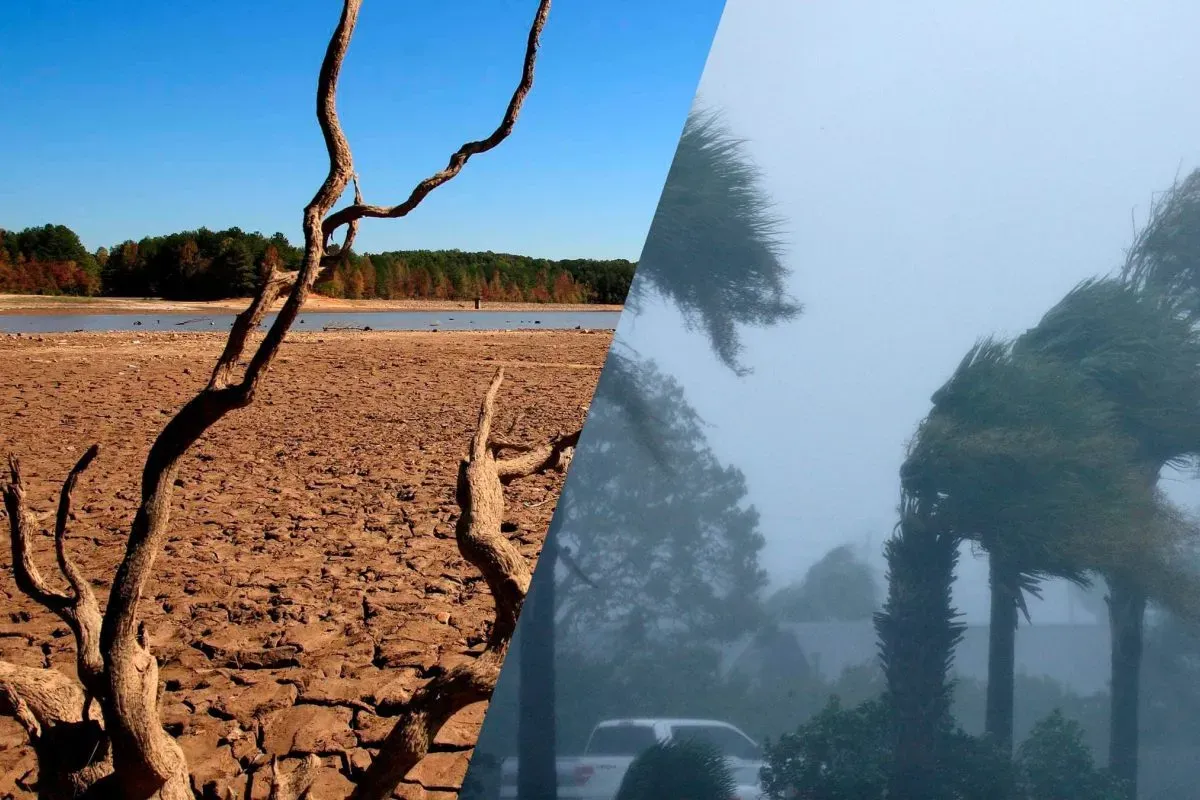
For a few days, Panama will feel like it has skipped straight to January or February. The country is experiencing dry season conditions in the middle of what should be the wettest time of year. Days are hot, dry, and cloudless. It feels like summer in a season that should be full of afternoon thunderstorms.
Urban Heat and Health Risks
The city itself is making things worse. Concrete, asphalt, and buildings absorb heat during the day and release it slowly at night. This is called the urban heat island effect. With fewer trees and more paved surfaces, the capital traps heat more than rural areas do. The lack of rain only compounds the problem. Normally, afternoon showers cool things down. Right now, those showers are absent. The combination of high temperatures, high humidity, and intense UV radiation creates a serious health risk. The heat index of 41 degrees Celsius is not just uncomfortable. It can cause heat exhaustion or heat stroke, especially for children, the elderly, and people who work outdoors.
Velázquez urged caution. The dry air mass and the Saharan dust are expected to linger for several more days. Until the summerlet ends and the rains return, Panama will remain in this hot, hazy bubble. Drink water. Stay out of the sun during peak hours. And do not underestimate what 41 degrees Celsius feels like when the humidity is high. Your body knows the difference between the number on the thermometer and the real weight of the heat pressing down on you.