


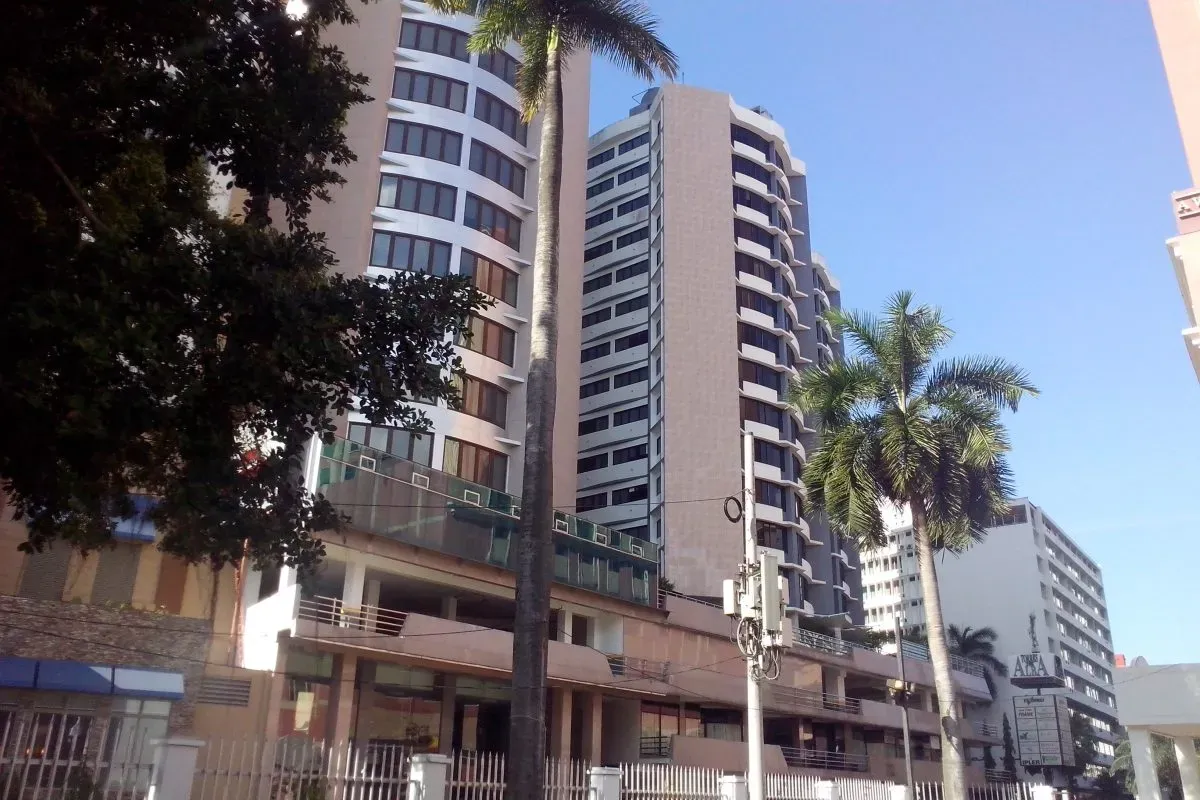
Community leaders from three Panama City neighborhoods are raising alarms about a new urban policy. They say it could trigger a construction boom in areas already struggling with aging infrastructure and strained public services. The controversy centers on Agreement No. 128, passed on May 12, 2026, by the Panama Municipal Council.
This measure creates what officials call the Urban Compensation Agreement. It allows developers to build taller and denser than current zoning laws permit. In exchange, they pay a one-time surcharge to the city. The money goes into a municipal investment fund meant for community projects and infrastructure upgrades in affected areas.
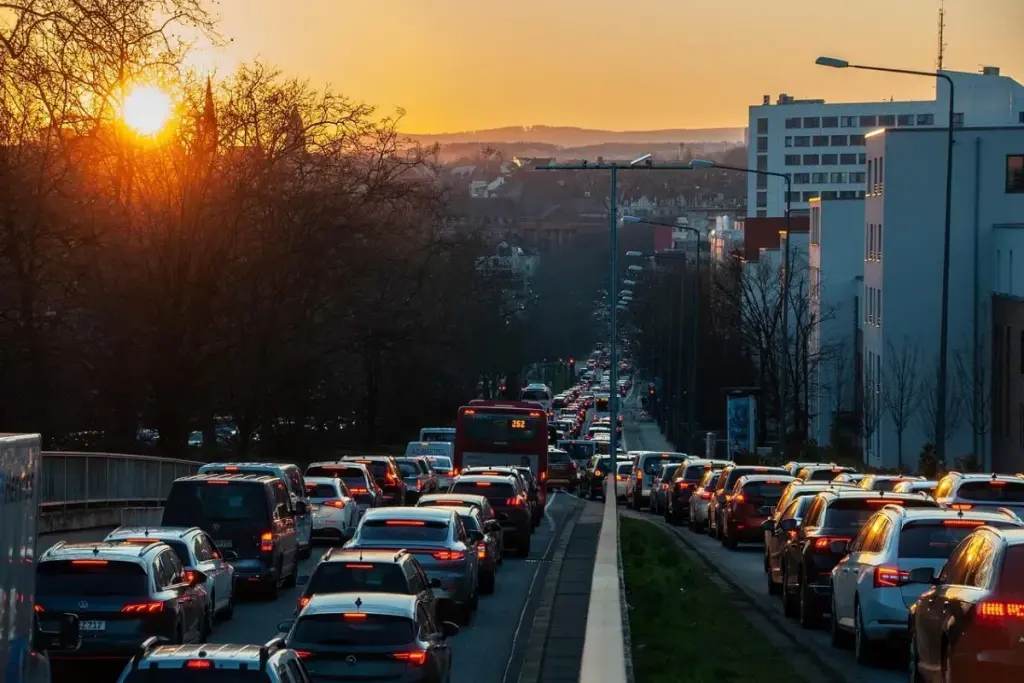
But representatives from La Cresta, El Cangrejo, and El Carmen see this differently. They argue the policy prioritizes revenue collection over smart growth. The city is not ready for this kind of density, they say. Traffic is already a nightmare. Water pressure is low. Parks are scarce.
Architect Says Agreement Threatens City Planning
Argelis Gaudiano, an architect and president of the El Carmen Local Development Board, delivered sharp criticism. She said the agreement allows developers to increase building capacity by up to 50 percent. All they need to do is pay the city.
‘This measure contradicts the criteria established in the Territorial Planning Plan. The money collected will not solve structural problems like the lack of public spaces, traffic congestion, or infrastructure limitations in areas that are already densely urbanized’ [Translated from Spanish]
Gaudiano also questioned how the city consulted residents before passing the law. She said there was no broad citizen participation and no real consensus. Neighborhood organizations filed formal complaints with the National Decentralization Authority and the Ministry of Housing and Territorial Planning. So far, she said, they have received no response.
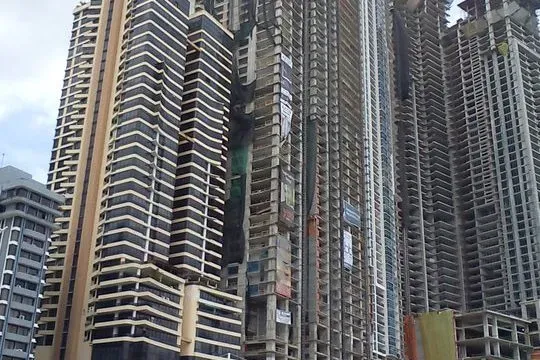
Her bottom line is blunt. The agreement puts fundraising ahead of what the city can actually handle. It allows growth that Panama City simply cannot support.
La Cresta Faces Aging Pipes and Low Water Pressure
Michell Zarak, president of the La Cresta Local Development Board, echoed those concerns. She said the deal does not benefit communities. It creates risk. The policy could make things worse in areas that already struggle with basic services.
Zarak listed specific problems in La Cresta. There is not enough space. The water pipes are old. Water pressure is low. These issues already hurt residents’ quality of life. Adding more buildings and more people will only deepen the crisis.
‘Since these are already saturated communities, the increase in urban burden could translate into greater harm for residents if the existing infrastructure is not strengthened first’ [Translated from Spanish]
She also criticized the agreement for being vague. It does not clearly define how it applies to areas with special density regulations. It does not specify exactly which neighborhoods will be affected. That lack of precision worries her.
El Cangrejo Residents Say City Ignored Their Voices
Alvaro Levi, president of the El Cangrejo Local Development Board, said the city cut communities out of the process. Initial meetings happened last year. The proposal was well received at first. But then the city stopped calling residents back. The council approved the agreement in May without community consent.
Levi said residents oppose the mechanism because it allows more construction in a zone already buckling under pressure. The problems are familiar. Not enough drinking water. Trash collection is spotty. Traffic is terrible. Parking is impossible.
High-rise projects are already rising in El Cangrejo. Levi warned these could make everything worse. Public services have not been upgraded to handle the growth. He said residents have been warning about this for years.
How the Urban Compensation Mechanism Works
The city’s planning department calculates the surcharge developers must pay. The fee applies when a project exceeds the standard land use allowance. The money goes into a special fund controlled by the Municipality of Panama.
Officials say the fund will pay for infrastructure and community projects in the same areas where development happens. The idea is to offset the impact of new construction. But critics argue the math does not work. The fees collected will never match the cost of upgrading water systems, roads, and public spaces in neighborhoods that are already maxed out.

The debate touches on deeper questions about how Panama City grows. The current Land Use Plan Panama sets limits on density. It was designed to manage growth in a sustainable way. Community leaders say the Urban Compensation Agreement undermines that plan. It allows developers to buy their way out of zoning rules.
Local Development Boards Push Back
The three neighborhood boards are not alone. Other Panama City Local Development Boards have expressed similar concerns. They argue the agreement sets a dangerous precedent. If developers can pay to build higher, what stops the city from approving even more density in the future?
Gaudiano, Zarak, and Levi all say the city needs to fix existing infrastructure before allowing more construction. Fix the water pipes. Widen the roads. Build more parks. Then talk about density.
They also want the city to go back to the drawing board. Real consultation means more than a few meetings. It means listening to residents and adjusting policies based on their feedback. That did not happen here, they say.
What Happens Next
The agreement is now law. Developers can apply for density increases and pay the surcharge. But the fight is not over. Community leaders are exploring legal challenges. They are also pushing for the National Decentralization Authority and the Ministry of Housing to intervene.
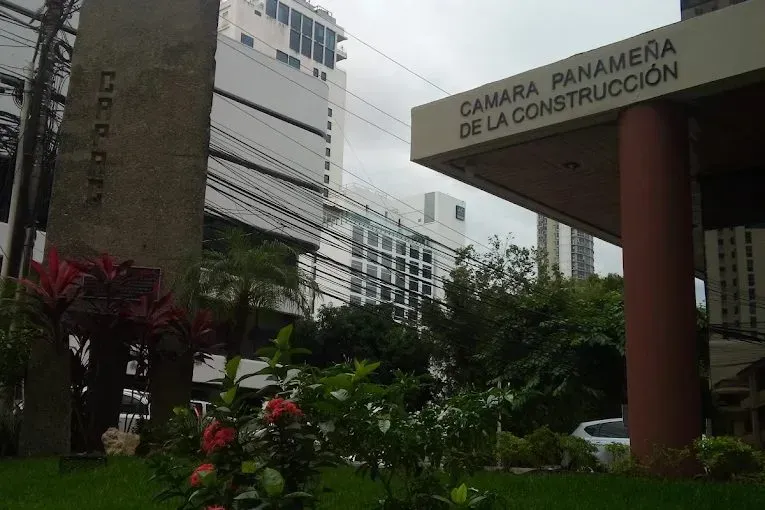
The Territorial Planning Plan remains the official guide for urban development in the capital. Critics argue the new agreement contradicts that plan. If the courts agree, the measure could be suspended or struck down.
For now, residents of La Cresta, El Cangrejo, and El Carmen are watching closely. They see cranes on the skyline and worry about what comes next. More buildings. More people. More strain on a system that is already stretched thin.
The city says the fund will help. The communities say they have heard that before. They want proof. They want action on infrastructure before new towers go up. And they want a seat at the table when decisions about their neighborhoods are made.
This story is still developing. The outcome will shape how Panama City grows for years to come. It will test whether the municipality can balance development with quality of life. It will also show whether community voices can influence urban policy in a city that is changing fast.