


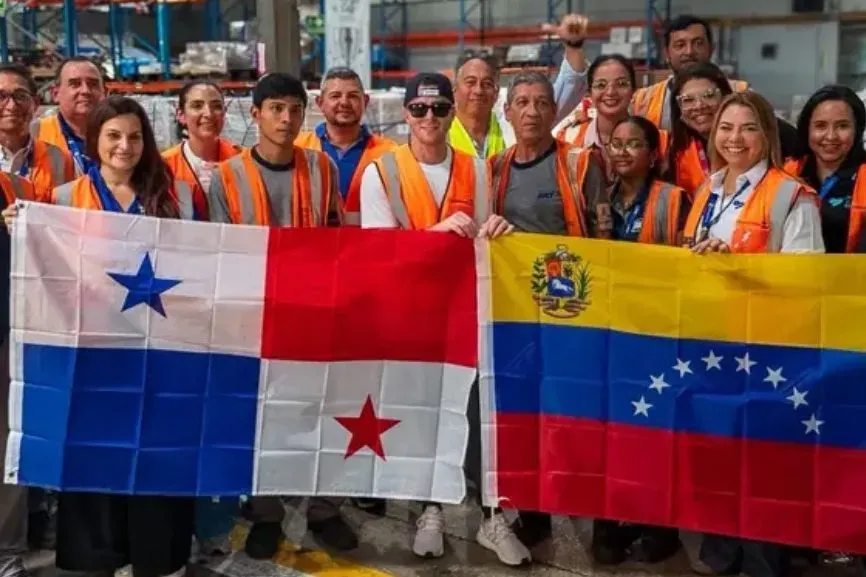
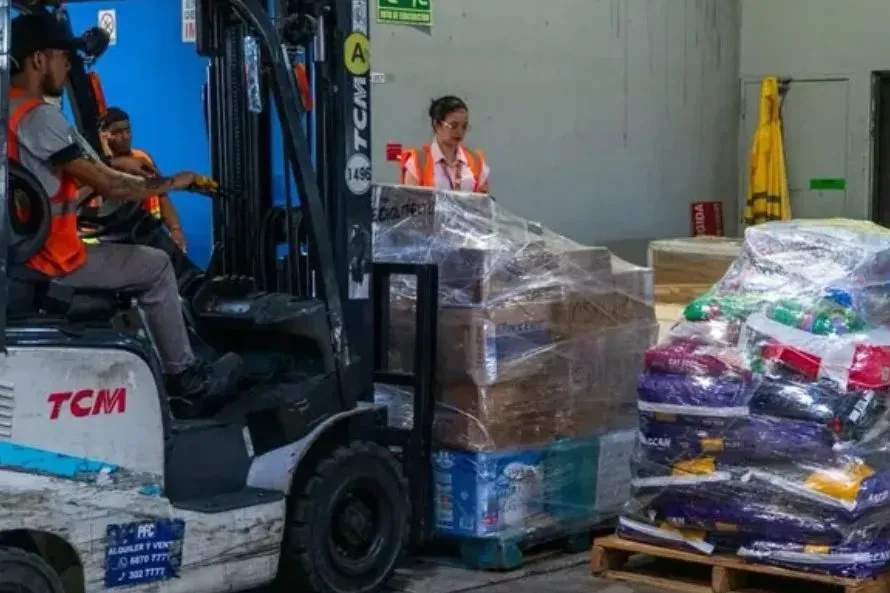
Volunteers and municipal workers sorted donations through the weekend at the Hatillo building in Panama City. By Monday morning, everything was ready. A cargo plane loaded with 22 metric tons of food, medicine, and essential goods taxied down the runway at Tocumen International Airport and lifted off for Venezuela. This second shipment marked another chapter in Panama’s growing response to the devastating earthquakes that have shaken communities across Venezuela.
Panama City Mayor Mayer Mizrachi watched the aircraft depart. He thanked the hundreds of volunteers who gave their time and energy to make the delivery possible. “This is what solidarity looks like,” Mizrachi said. “The people of Panama opened their hearts and their wallets for their Venezuelan brothers and sisters” [Translated from Spanish]. The mayor’s presence at the airport underscored the municipal government’s direct role in organizing and executing the Humanitarian aid mission.
Grassroots Efforts Drive the Relief Campaign
Donations came from Panamanian citizens and foreign residents living in the country. Collection points appeared across the capital as word spread about the scale of destruction in Venezuela. The first aircraft carrying relief supplies had already reached its destination days earlier. This second flight doubled the total tonnage sent by Panama, demonstrating a sustained commitment to helping neighbors in crisis.
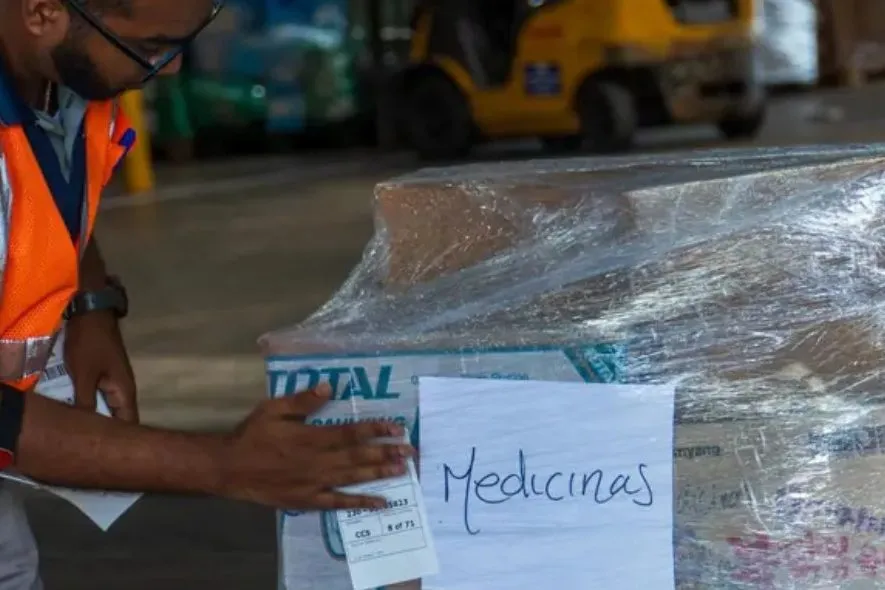
Volunteers worked long hours over the weekend at the Hatillo facility. They sorted through thousands of individual donations, checked expiration dates on medicines, and packed boxes efficiently to maximize space on the cargo plane. Municipal employees joined the effort alongside ordinary citizens. The scene reflected a coordinated response that blended official resources with community energy.
Earthquakes in Venezuela have left thousands homeless and damaged critical infrastructure. Hospitals in affected regions face shortages of medical supplies, while families struggle to access clean water and food. Panama’s relief flights aim to address these immediate needs. The shipments include non-perishable food items, bottled water, hygiene kits, and basic medical equipment.
Regional Cooperation in Times of Disaster
Panama has positioned itself as a logistics hub for departs from humanitarian operations in the Americas. The country’s strategic location and well-connected airport make it an ideal staging point for relief efforts. Tocumen International Airport handles cargo flights regularly, and its facilities can accommodate the rapid turnaround needed for emergency shipments.
The Organization of American States has long encouraged member nations to support each other during natural disasters. Panama’s response follows this framework of mutual assistance. By mobilizing quickly and sending substantial aid, Panama sets an example for other countries in the region. The two flights represent more than just supplies, they symbolize a bond between neighboring peoples.
Mayor Mizrachi emphasized that the work is not finished. City officials continue to coordinate with Venezuelan authorities to identify the most urgent needs. More collection drives may follow if conditions on the ground require additional support. Panama’s commitment extends beyond these initial flights, with plans to monitor the situation and respond as needed.
The second plane’s departure from Tocumen International Airport carried more than cargo. It carried a message of hope and shared humanity. For the families waiting for supplies in Venezuela, each box represents a lifeline. For the volunteers who packed them, each box represents the power of ordinary people to make an extraordinary difference.