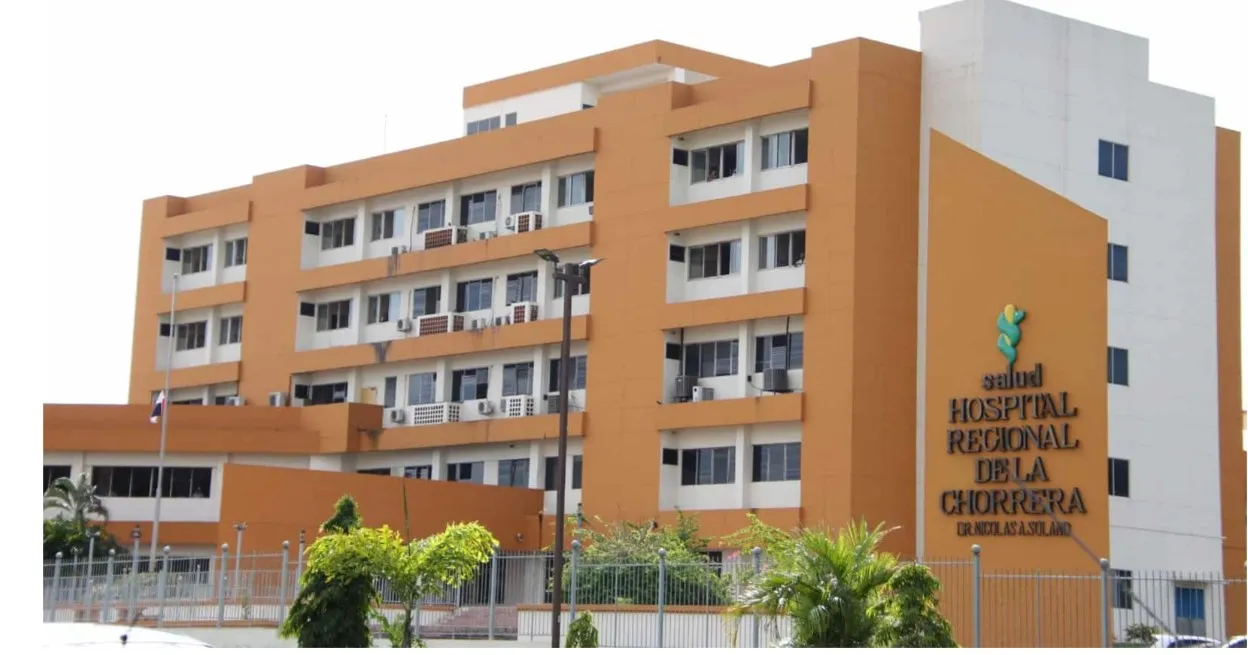
A Panamanian court has imposed a 15-year prison term on an emergency physician whose aggravated rape conviction stems from the assault of a female patient inside the very hospital where he worked. The ruling, announced on August 11, 2026, also bars the doctor from practicing medicine for five years after his release. The case has reignited concerns about patient safety and institutional failures in Panama’s public healthcare system.
Aggravated Rape Conviction and Sentencing Details
The sentence, identified as No. 103-2026, came from the Oral Trial Court in Panama Oeste. Judges deliberated after a four-day trial held July 22, 23, 27 and 28, 2026. Prosecutors from the Regional Prosecutor’s Office of West Panama, specifically its section for crimes against sexual freedom and integrity, presented witness testimony, documents, expert analysis and physical evidence. The panel returned a unanimous guilty verdict against the physician.
Along with the prison term, the court imposed a five-year prohibition on medical practice once the primary sentence is completed. This auxiliary penalty reflects the severity of abusing a caregiver’s position. Under Panamanian criminal law, exploitation of trust or authority can elevate certain sexual offenses, leading to harsher outcomes. The decision closes a legal process that began with public outrage nearly 18 months earlier.
History of Allegations Against the Physician
The La Chorrera case didn’t mark the first time this doctor faced scrutiny. In April 2025, Panama’s Ministry of Women revealed that its Comprehensive Care Center in Panama Oeste held records of prior accusations against the same man. Those records pointed to complaints filed in 2012 and 2017 for alleged sexual assaults against female patients at other national hospitals. Authorities confirmed the physician had previously been dismissed from Hospital San Miguel Arcángel in the San Miguelito district after incidents connected to those complaints.

That history foreshadowed the 2025 attack. Advocacy groups say repeated complaints about medical professionals often indicate systemic failures in reporting and oversight. Rather than treating each accusation as isolated, officials increasingly view such patterns as red flags that demand earlier intervention. The revelations added public pressure on health authorities to explain how the doctor remained employed in emergency care despite his past.
The March 2025 Emergency Room Attack and Legal Reversal
The events that led to the aggravated rape conviction unfolded in the early hours of March 4, 2025. The doctor was working in the emergency room at Hospital Regional Nicolás A. Solano, a Ministry of Health facility in La Chorrera, Panama Oeste. A 22-year-old woman sought care and was allegedly assaulted by the physician during her visit.
The Public Ministry announced an investigation on March 5, 2025. One day later, National Police arrested the doctor during a raid at a residence in Nuevo Arraiján. A guarantee judge initially placed him under house arrest and suspended his medical duties. But the Superior Appeals Court overturned that measure, ordering pretrial detention after prosecutors argued the gravity of the offense and potential procedural risks. The reversal underscored the judicial system’s struggle to balance defendants’ rights with public safety concerns in sexual violence cases.
Healthcare Safety and Institutional Responsibility
Sexual violence inside medical facilities represents a profound breach of trust. Patients arrive vulnerable, expecting professional care, not harm. Regional experts note that Latin American countries have strengthened protocols in recent years, requiring chaperones during intimate examinations and better reporting channels for patients and staff. Panama’s own Ministry of Health faced questions after the Solano case became public.
This aggravated rape conviction doesn’t just punish one man. It exposes a healthcare system that failed to act on earlier warning signs. How did a physician with prior complaints continue to work in emergency settings? What safeguards exist for women seeking care alone at night? The five-year professional ban signals that courts recognize the danger posed by abusers in white coats. For survivors, the verdict offers a measure of justice, yet systemic reforms remain the true test of the case’s legacy. Hospitals must act before another complaint becomes a conviction.