


Authorities in Panama’s western district have identified roughly 60 critical points where illegal waste dumping is creating a public health crisis. The accumulation of trash along roadways now threatens thousands of residents in La Chorrera.
The clandestine dumpsites sit mainly on the edges of main roads. They breed rodents, worms, and other disease-carrying vectors. Local officials say this contamination poses a direct risk to community health and the surrounding environment.
Illegal Dumping Creates Health Emergency in Panama West
The company responsible for waste collection has launched a recovery plan for the affected lands. Their goal is simple: stop these sites from being used as illegal trash deposits. So far, crews have intervened in nearly 40 percent of the identified locations across different communities.
“We have addressed critical points in La Valdeza, Guadalupe, and El Arado. Now we are working in Playa Leona. We also carried out interventions in El Coco,” said project supervisors involved in the cleanup. [Translated from Spanish]
We have addressed critical points in La Valdeza, in Guadalupe, in El Arado and now we are in Playa Leona. In El Coco we also made interventions.
The communities of Playa Leona and La Valdeza rank among the hardest hit by this problem. Waste management teams describe these areas as priority zones for immediate action.
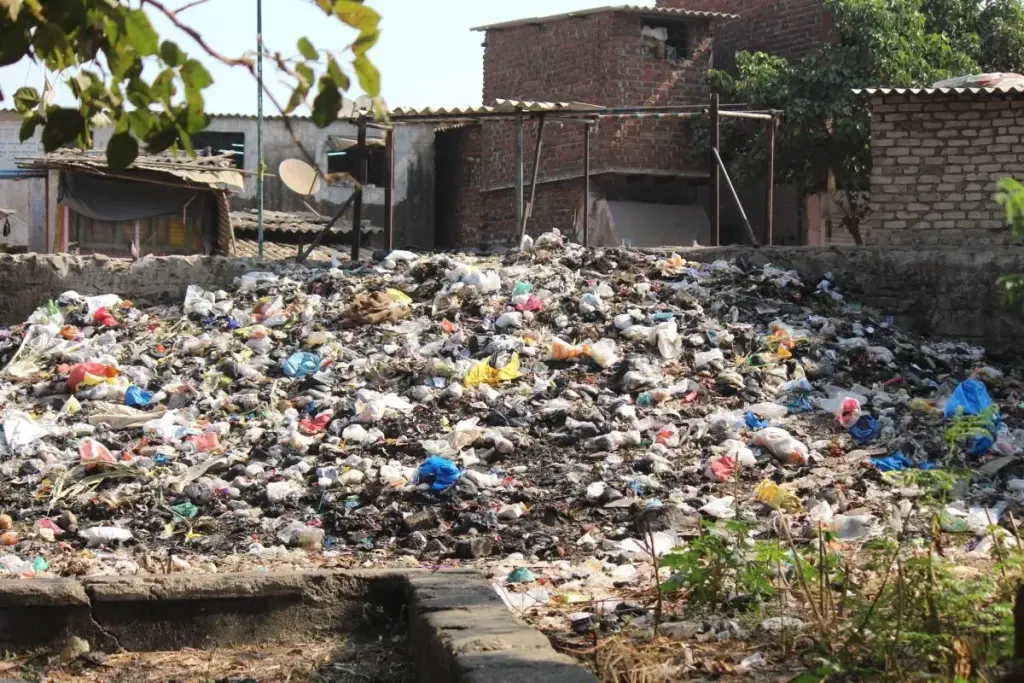
Turning Trash Sites Into Green Spaces for Communities
The strategy involves converting the reclaimed land into ecological parks. Officials believe this will restore proper land use and discourage future dumping. The next major intervention is scheduled for Saturday in Potrero Grande, a village within the El Coco district.
This approach tackles two problems at once. It cleans up dangerous waste sites. It also creates public spaces that communities can actually use.
Authorities acknowledge that illegal dumping in Panama remains one of the district’s most stubborn environmental challenges. The practice continues despite repeated cleanup efforts and public awareness campaigns.
Residents near the dumpsites have reported increasing cases of respiratory issues and pest infestations. Local health officials link these problems directly to the decomposing waste piles that sit for weeks without removal.
The waste collection company has increased patrols in high-risk areas. They have also installed surveillance cameras at some locations. These measures aim to catch repeat offenders who return to dump trash even after cleanup operations.
Community leaders in La Chorrera have started organizing neighborhood watch groups. These volunteers report new dumping activity to authorities quickly. Their involvement has helped reduce the formation of new illegal sites in some sectors.
The district government has proposed stricter fines for illegal dumping. Current penalties often fail to deter offenders. Officials hope higher costs will force compliance with proper waste disposal regulations.
Environmental experts from Panama’s Ministry of Health have visited several of the reclaimed sites. They conducted soil and water tests to measure contamination levels. Preliminary results show significant improvement in areas converted to parks.
The transformation process takes about three weeks per site. Crews remove all waste first. Then they level the ground and plant native vegetation. Benches and walking paths come last.
So far, five former dumpsites have become fully operational parks. Three more are under construction. The remaining sites await funding for complete transformation.
Local school groups have adopted two of the new parks for educational activities. Students learn about recycling and environmental stewardship while maintaining the green spaces. This creates a sense of ownership among younger residents.
The district plans to expand the program to all 60 identified locations within the next 18 months. Success depends on continued funding and community cooperation. Without both, officials say the illegal dumping cycle will simply repeat itself.