


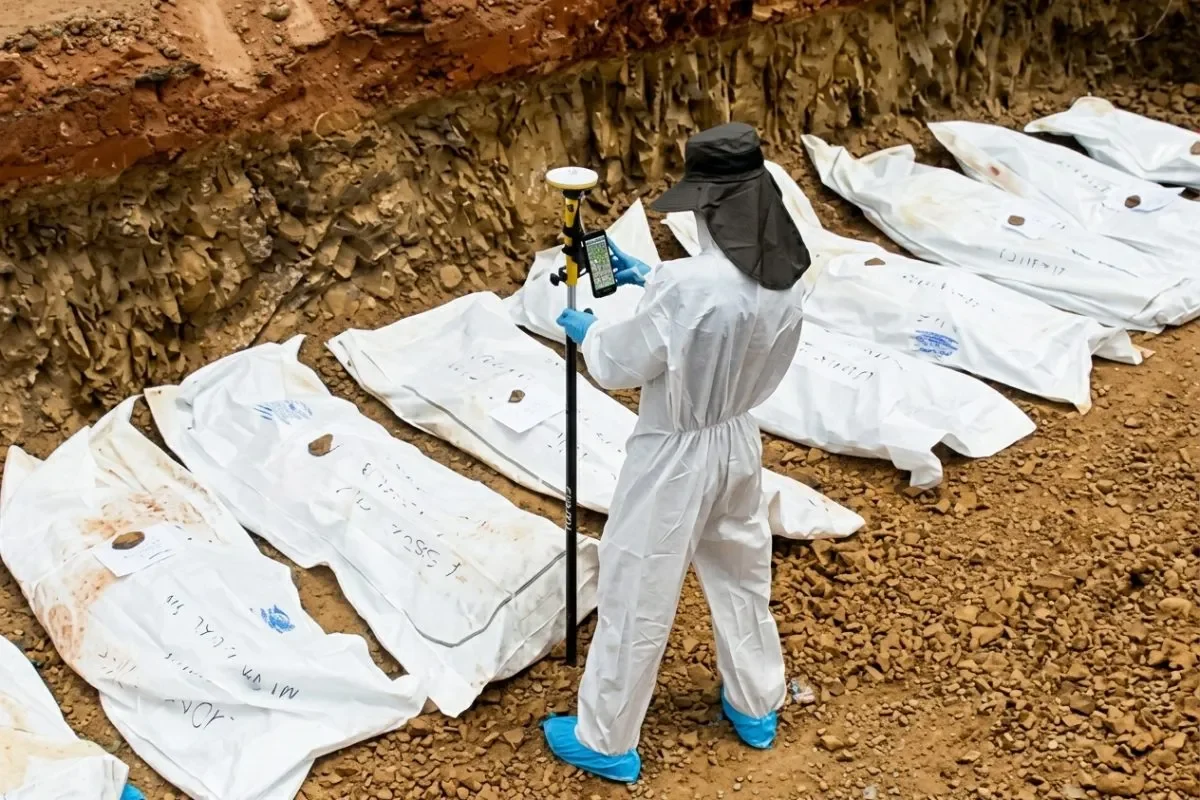
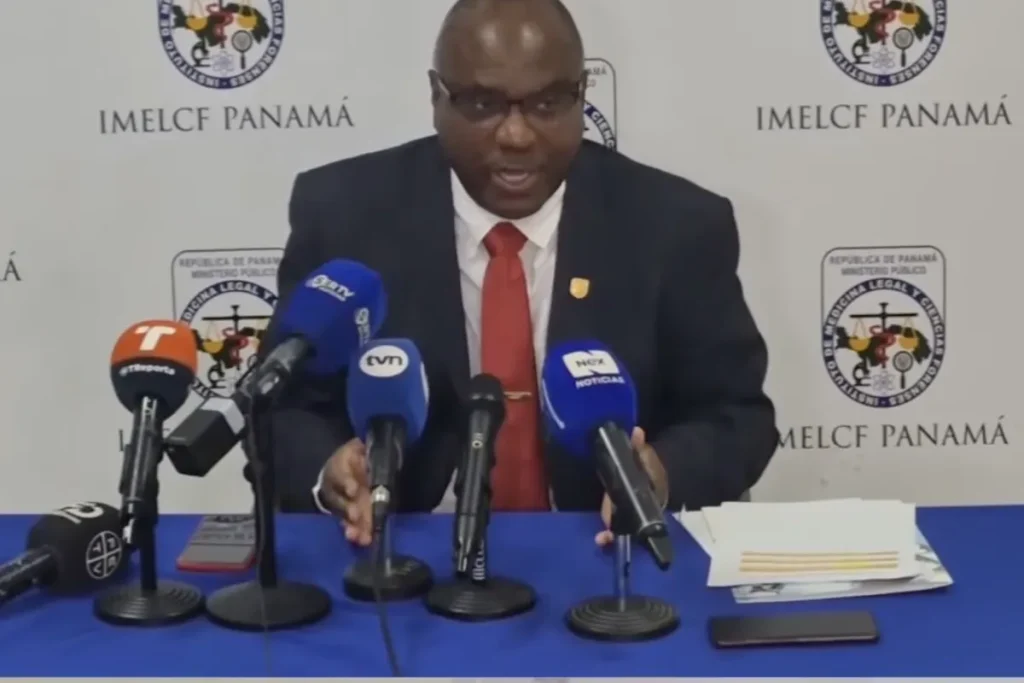
Panama mass burials have become a visible sign of the pressure on the country’s forensic system. The Institute of Legal Medicine and Forensic Sciences (Imelcf) carried out 142 inhumations between January and June 2026, according to director Abdiel Abel Rentería Ramos. Those burials included 64 sets of skeletal remains, 42 adult cadavers, 32 human products or fetuses, and four foreign nationals.
These are not clandestine graves. They are state-led burials meant to relieve overcrowded judicial morgues and manage bodies that no one has claimed or identified. Rentería Ramos presented the figure while summarizing his first six months in office.
Panama Mass Burials and the Backlog They Reveal
Rentería Ramos acknowledged that overcrowding and a large number of unidentified bodies have long been recognized problems inside the forensic system. Despite that, some morgues still have capacity to receive bodies linked to violence and other cases that require medico-legal investigation.
“That is, a total of 142 burials have been done this year” [Translated from Spanish]
The numbers offer a blunt snapshot of unresolved death cases across Panama. Skeletal remains often wait years for identification. Adult bodies can sit in cold storage while investigators search records or relatives fail to come forward. Human products and fetuses add a sensitive layer to the institute‘s work. In a tropical climate, decomposition accelerates, making delayed identification even more difficult for forensic specialists.
Darién Migrant Deaths Add Legal Complexity
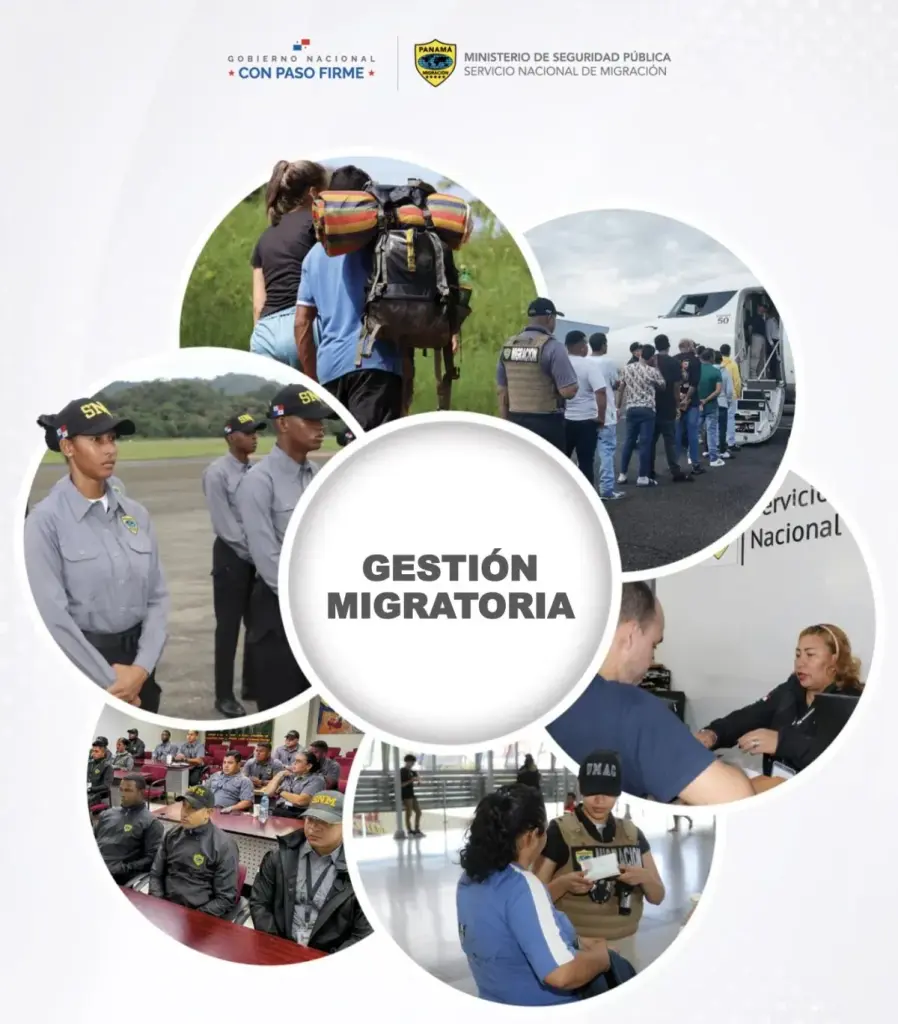
In El Real, a town in Darién province, niches hold the bodies of migrants who died along one of the hemisphere’s most dangerous routes. The Darién Gap, a dense jungle between Colombia and Panama, has become a deadly bottleneck for people heading north. Migrants face river crossings, snake bites, armed robberies, and a lack of medical care. When they die, many carry no documents.
Forensic teams must follow legal procedure and wait for possible family members before deciding what happens to those remains. That waiting process can stretch on for months or years. Without identification documents or relatives abroad, many migrant bodies risk falling into long-term limbo. The institute’s report did not say how many migrant remains currently sit in El Real, but the mention confirms that migration deaths are part of the broader forensic load.
Audit Findings Underscore Operational Shortfalls
An internal audit presented alongside the burial data found deeper administrative and logistical gaps. The institute faces debts to suppliers from expired budget periods, insufficient reagents and lab supplies, and expired rental contracts. There are also pending obligations tied to Panapass toll charges, traffic fines, vehicle damage, and missing equipment needed for forensic work.
The review identified weak institutional security controls and poor transport administration. No clear records exist for some vehicle entry and exit movements. Rentería Ramos said the audit revealed debt with suppliers from expired budget cycles, a shortage of reagents and lab inputs, an expired lease contract, and outstanding Panapass and traffic fine obligations.
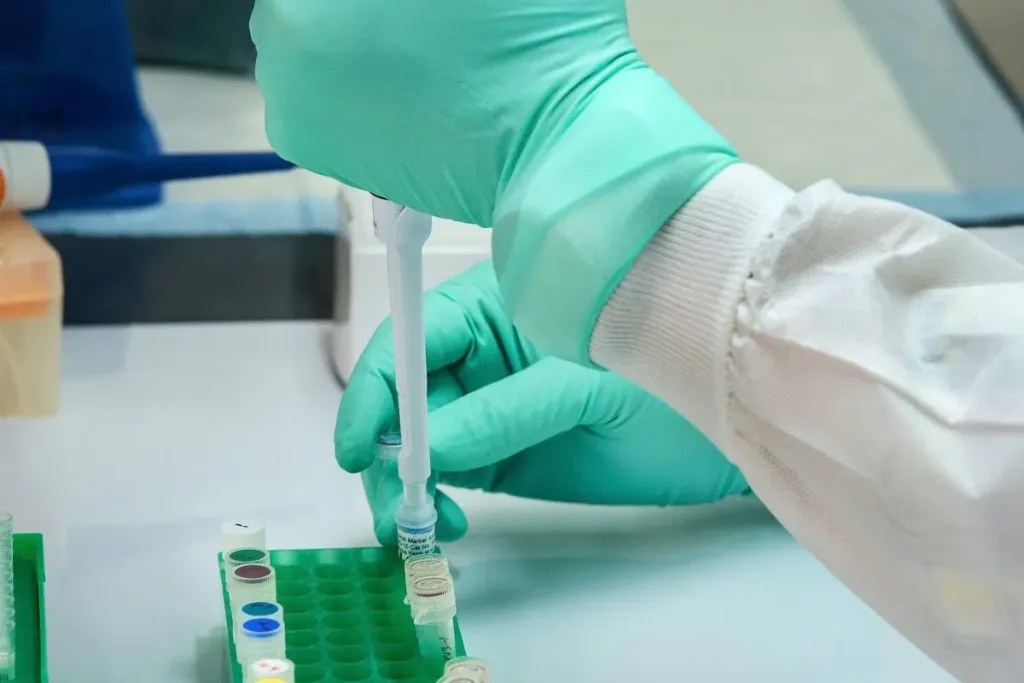
These problems complicate the institute’s ability to process autopsies, store bodies properly, and run toxicology or DNA tests. Reagents are essential for laboratory analysis. Without them, even routine forensic work can stall. For a forensic agency, lack of vehicles and equipment also directly affects response times to crime scenes and the chain of custody.
Calls for a Centralized Forensic Facility
Faced with the limitations, the institute is studying the possible construction of a single dedicated building to concentrate its operations. The director did not provide a cost estimate, a location, or a timeline for the project. Still, the idea signals that current infrastructure is stretched beyond comfort.
A centralized facility could house morgues, laboratories, and administrative offices under one roof. That would likely improve security and reduce scattered operational failures. Other Latin American countries have moved toward centralized forensic campuses to strengthen evidence handling and speed up identifications. But planning remains early, and Panama’s budget constraints could delay any major capital project.
Ultimately, the institute’s first half of 2026 shows a system trying to clear a backlog while still lacking basic supplies and legal closure for many of the dead. The 142 Panama mass burials are not just a number. They represent hundreds of unnamed stories, waiting families, and a forensic system in urgent need of repair.