


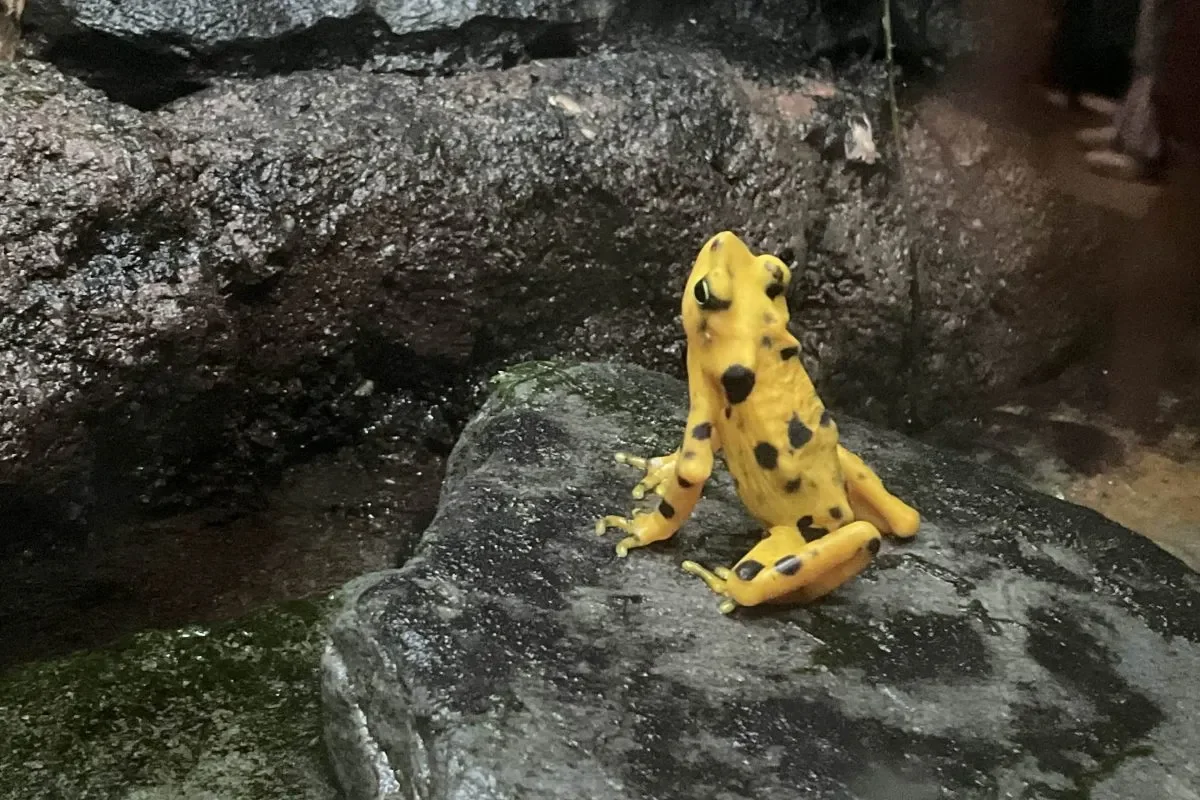
Every August 14, Panama turns its attention to a tiny amphibian with bright yellow skin. The Panama golden frog, known scientifically as Atelopus zeteki, has become both a national emblem and a stark reminder of biodiversity loss. Ministry of Environment officials say habitat loss, disease, and climate change are the main pressures pushing this endemic species toward extinction.
Hoy celebramos el Día Nacional de la Rana Dorada, una especie que representa la extraordinaria biodiversidad de Panamá. Es un símbolo nacional que enfrenta grandes desafíos para su supervivencia, como la pérdida de hábitat y enfermedades que han reducido sus poblaciones en estado… pic.twitter.com/EaEu1u8C50
— Ministerio de Ambiente de Panamá (@MiAmbientePma) August 14, 2026
Why the Panama golden frog matters
The Panama golden frog exists nowhere else on Earth. That reality gives the species an irreplaceable status in the country’s natural heritage. In a public statement, MiAmbiente emphasized this point.
“Because it is a species unique to Panama, its protection represents the conservation of an irreplaceable natural heritage” [Translated from Spanish]
Beyond its rarity, the Panama golden frog carries deep cultural meaning. Many Panamanians see the frog as a symbol of good fortune, and its image appears in local art, crafts, and national identity campaigns. Scientists also value the animal for a practical reason. Its presence in rivers and forests signals that an ecosystem is functioning well.
Threats Facing a Critically Endangered Species
The golden frog faces a combination of pressures that have already erased it from many historical locations. Deforestation removes the shaded, moist conditions the species needs to survive. Pollution and changing land use contaminate streams and shrink breeding sites. MiAmbiente also names climate change as a growing threat because it alters rainfall patterns and raises temperatures in mountain habitats.
A particularly dangerous challenge comes from chytridiomycosis, a fungal disease that has devastated amphibian populations worldwide. It hits the Panama golden frog hard because the species occupies a limited geographic range. A single outbreak can wipe out entire local populations. Conservation breeding programs have become essential to keep the species alive while researchers search for ways to control the disease in the wild.
Public Participation and Conservation Efforts
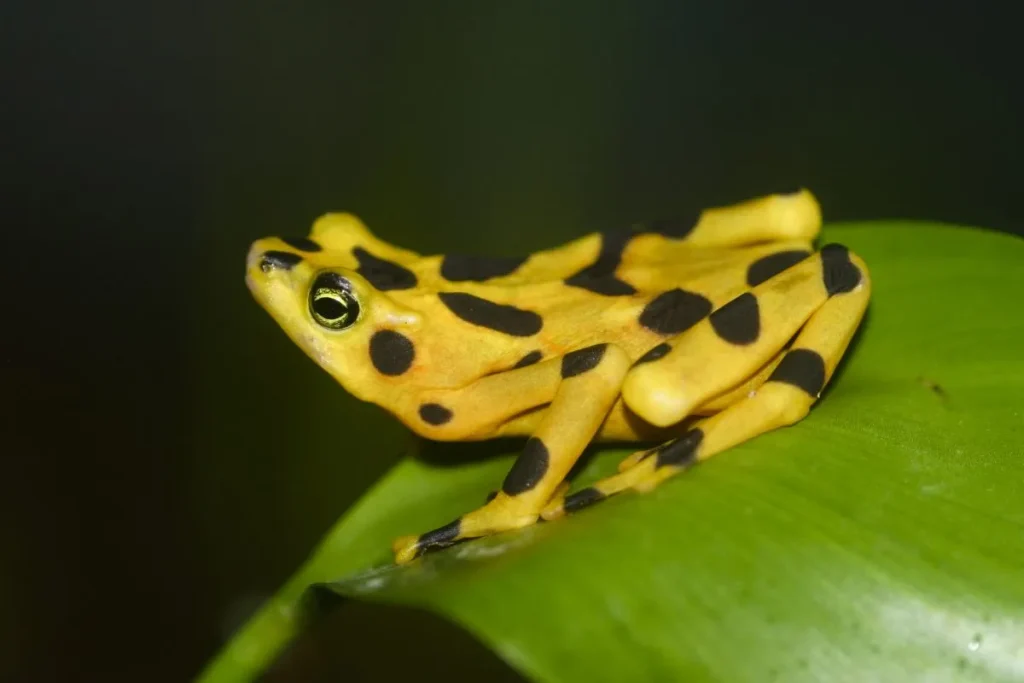
MiAmbiente insists that saving the species requires widespread public support. The ministry urges Panamanians to protect forests and water sources. It also asks people to respect wildlife and avoid removing animals from their natural environments. Small changes in daily habits can reduce pressure on fragile habitats.
August 14 was established as National Golden Frog Day to build awareness of the animal’s ecological and cultural importance. Schools, community organizations, and environmental groups use the date to teach people about the threats. Those conversations turn the frog into a rallying point for broader conservation work. Rescue projects also maintain assurance colonies, which serve as a lifeline while wild populations remain under severe threat.
Ecosystem Warnings and the Road Ahead
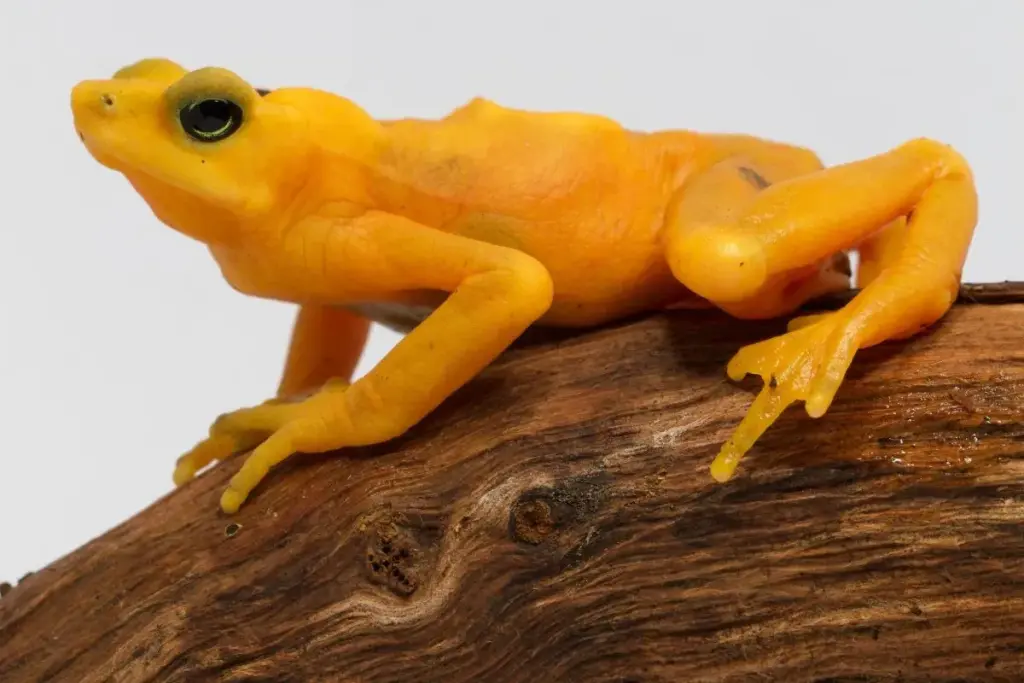
The golden frog’s decline reveals deeper problems in Panama’s natural systems. Because the species depends on clean water, its disappearance often means that rivers and streams are under stress. Protecting the frog So brings direct benefits to people who rely on the same water sources. The amphibian acts as an early warning system for environmental damage that can eventually affect human communities.
Ultimately, the fate of the Panama golden frog remains uncertain. Yet the annual observance does more than mark a date on the calendar. It connects a small, colorful amphibian to the health of entire landscapes and gives communities a reason to demand stronger environmental safeguards.