


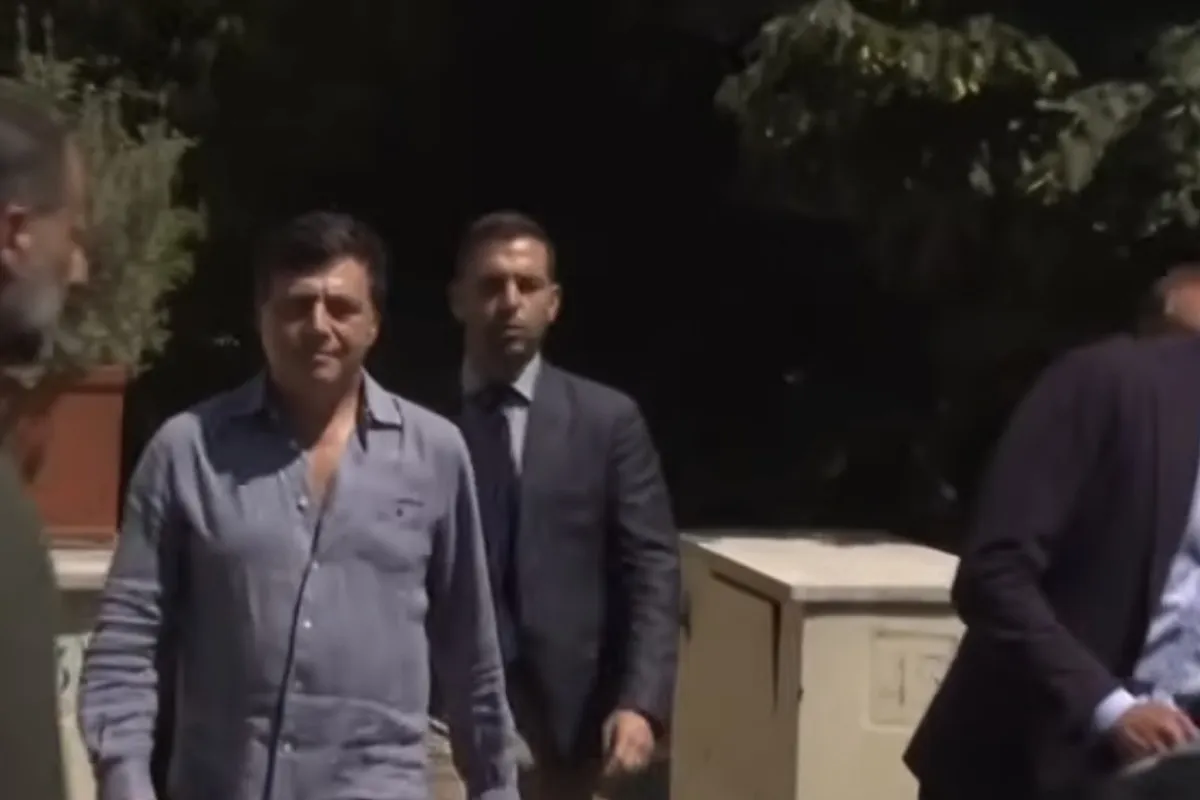
A long-simmering international saga took a dramatic turn this week when Italian authorities executed a high-profile Italy arrest, detaining businessman Valter Lavitola on charges that he orchestrated a violent intimidation campaign against a prominent journalist. The arrest, ordered by Rome’s investigating magistrate, places Lavitola at the center of a plot that prosecutors say was meant to frighten Sigfrido Ranucci, host of the investigative program Report, and ultimately propel the journalist into a political career, all while carving out a power role for Lavitola himself. The case has instantly rekindled uncomfortable memories in Panama, where Lavitola’s name became synonymous with a massive corruption probe involving the Finmeccanica conglomerate during former President Ricardo Martinelli’s administration.
The Alleged Plot to Intimidate an Investigative Journalist
According to a 198-page preventive detention order, the attack that took place in October 2025 outside Ranucci’s residence was not a murder attempt. Investigators believe its real purpose was far more calculated: to boost Ranucci’s public profile and accelerate his rumored entry into politics, while simultaneously positioning Lavitola as a kingmaker in any new political landscape. The court document reveals that the weapons seized during the probe have been directly linked to the commission of the crime, giving prosecutors sturdy physical evidence to back their theory.
Digital records seized from Lavitola’s phone have become a cornerstone of the case. Messages show a persistent effort to pull Ranucci away from journalism. On July 29, 2024, at a time when the host was facing professional headwinds, Lavitola wrote,
‘It’s time to start’ [Translated from Italian]
Months later, on June 26, 2025, he pressed again, suggesting that everything happening to Ranucci was only making him stronger and that he should capitalize on it. The judge, Lole Moricca, concluded that the entire event was designed to be seen by both the journalist and the public as a brutal warning tightly linked to Ranucci’s investigations.
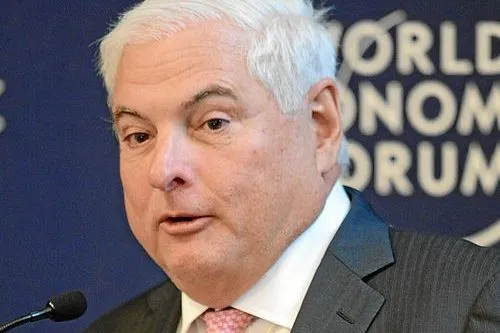
From Berlusconi’s Inner Circle to Panama’s Finmeccanica Deal
Long before this Italy arrest, Lavitola moved comfortably through the upper echelons of power. In Panama, his name became notorious during a sprawling international investigation into contracts signed in 2010 between the Panamanian government and subsidiaries of the Italian giant Finmeccanica, now known as Leonardo. Prosecutors in Rome charged that a Panamanian shell company, Agafia S.A., was used to funnel roughly $25 million in kickbacks, an amount representing about 10 percent of the $249 million deal.
During his trial in Rome, Lavitola denied international corruption and explicitly distanced Martinelli from any connection to Agafia. He instead painted himself as an unofficial representative of then-Italian Prime Minister Silvio Berlusconi, claiming that his involvement in the Finmeccanica business was undertaken at Berlusconi’s recommendation. In the years of Martinelli’s governance, the Italian businessman had open access to influential circles, presenting himself as a close associate of Berlusconi and freely navigating the corridors of power in Panama City.
Italy Arrest Unravels Layers of International Intrigue
The preventive custody order now casts a much wider shadow. Prosecutors are convinced that the friendship Lavitola cultivated with Ranucci was strategically deployed to steer the journalist’s decisions and explore a joint political venture. The Italy arrest thus links two seemingly distinct narratives, the alleged manipulation of a critical media voice and the old machinery of transnational bribery, into a single portrait of a man who thrived on proximity to power and secret deal-making.
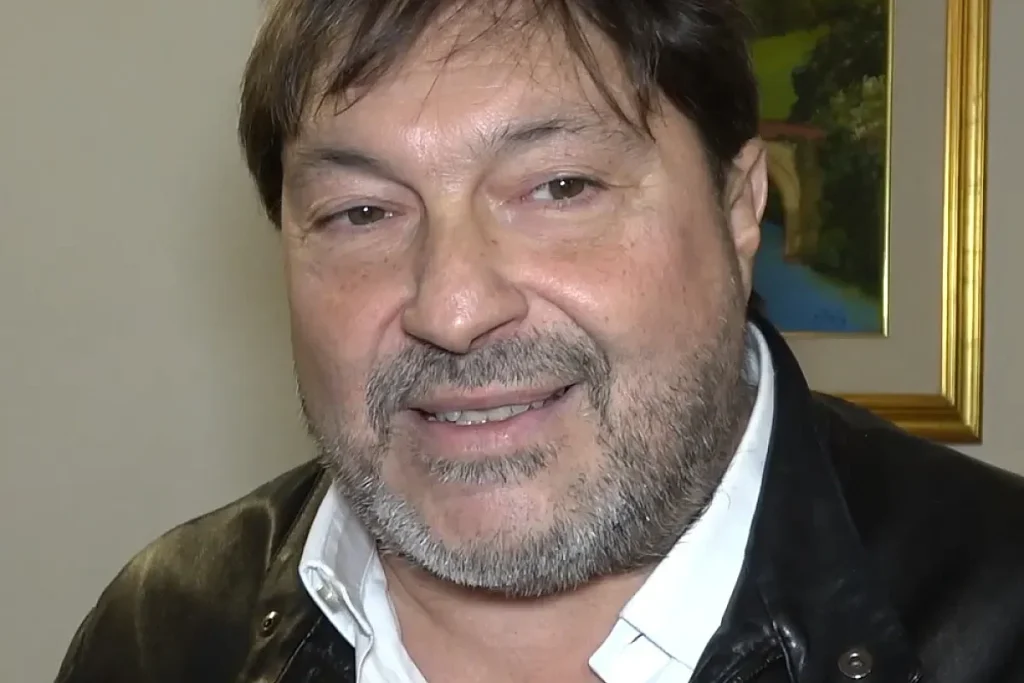
Italian media reports indicate that the investigation has uncovered an intricate architecture of influence stretching from Rome to Central America. The arrest does not just close a chapter on a brutal intimidation attempt. It revives uncomfortable questions about how informal envoys, plausible deniability, and offshore accounts were used to lubricate enormous public contracts under the previous Panamanian administration. Legal observers note that the extradition landscape could shift if Panamanian prosecutors decide to revisit the Finmeccanica episode with fresh momentum supplied by this renewed international attention.
For now, Lavitola sits in preventive detention as authorities continue to decrypt communications and map financial trails. The Rome magistrate’s decision explicitly views the seized weapons and the caches of messages as a coherent toolbox for a crime aimed not at bloodshed but at reshaping political fortunes. And in a twist that few could have predicted, an Italy arrest originally centered on a journalist’s safety has once again yanked a decade-old corruption scandal back into the unforgiving spotlight.