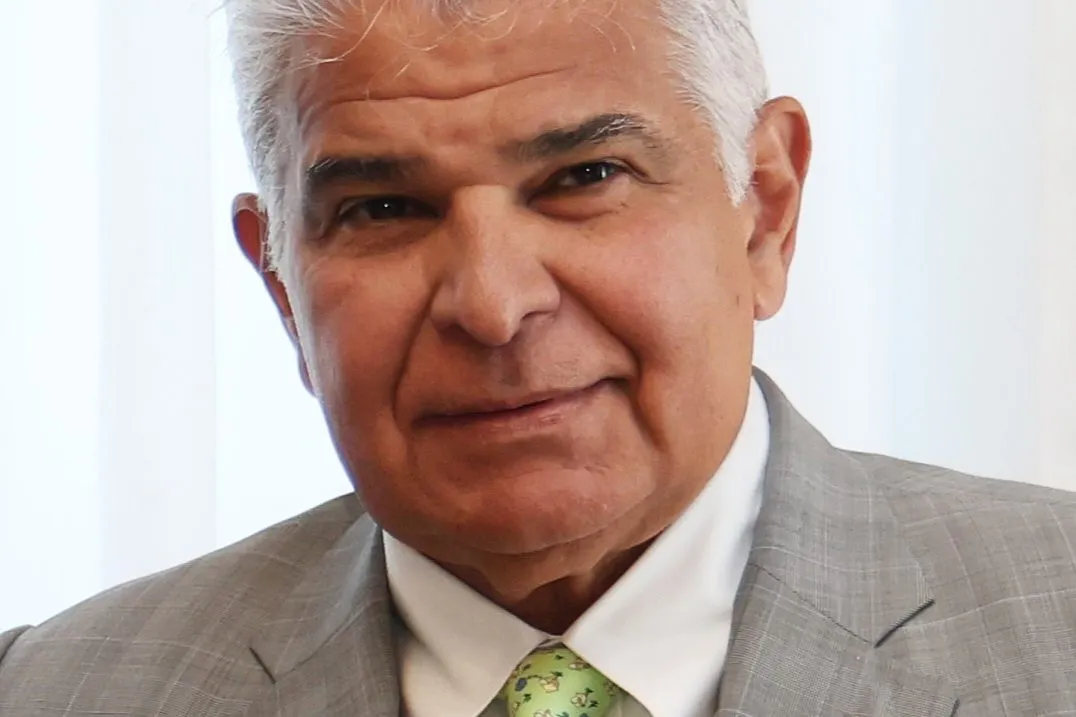
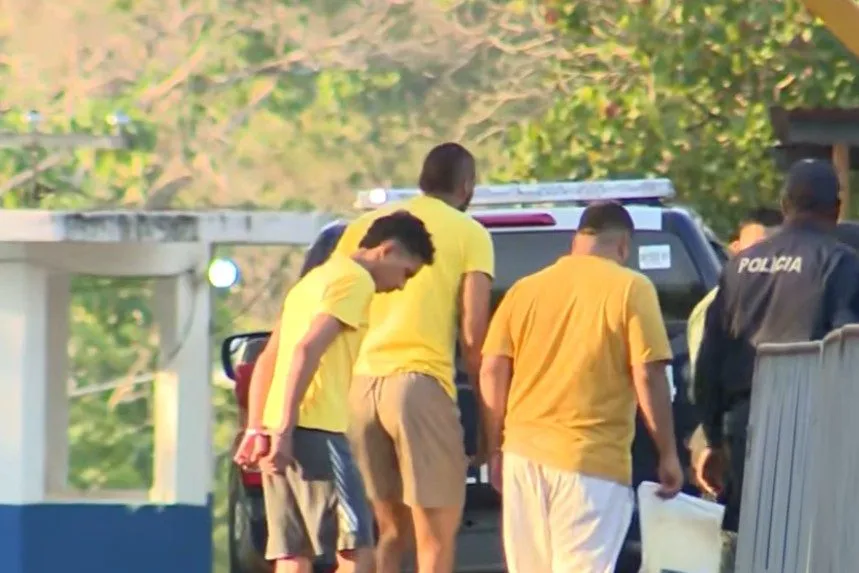
Panama City, Panama. The prison walls at La Joyita couldn’t hold them. On June 1, 195 inmates escaped in a mass breakout that shook the nation. One month later, 15 remain on the run. For President José Raúl Mulino, this incident has become a stark symbol of the gap between his administration’s promises and the ground-level reality. As he enters the second year of his five-year term, the president is shifting gears from a message of order and discipline to one focused on concrete results: roads, jobs, and water.
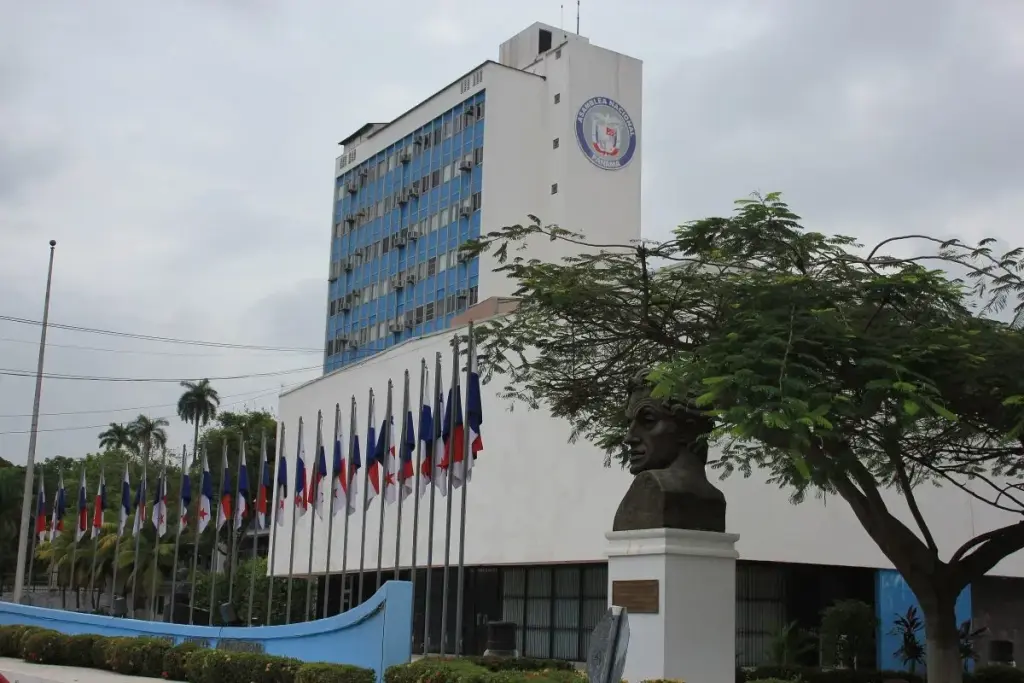
Mulino took office with a forceful mandate. He told the National Assembly that his government came to “bring order where there was chaos, rules where there were privileges, and responsibility where improvisation reigned” [Translated from Spanish]. That tough talk resonated with voters tired of instability. But now, the political capital earned in those early months must be spent on tangible progress. The administration has set 2026 as the target year for a major push in public investment and job creation.
Infrastructure Spending as an Economic Engine
The government’s budget includes a massive investment plan worth over 11 billion balboas. Much of that money is earmarked for infrastructure, water systems, schools, and healthcare. The most visible projects include the Metro Line 3, the fourth bridge over the Panama Canal, a cable car system in San Miguelito, and the expansion of the coastal corridor. These are not small undertakings. They represent a bet that construction and logistics can pull the economy forward.
Specifically, the government has announced more than 30 road projects valued at roughly 1.22 billion balboas. Officials claim these will generate over 10,000 direct jobs and 20,000 indirect positions. For a country where unemployment remains a persistent headache, that promise carries significant weight. Mulino has repeatedly stated that the third year of his term will be the most critical for delivering on these legislative and infrastructure goals.
But the economic picture is more complicated than a list of ribbon-cuttings. The Association of Panamanian Business Executives, known as APEDE, has warned that while the economy is growing, the real challenge is converting that growth into stable, private-sector employment. The country’s Panama public investment budget data from the World Bank shows that sustained government spending is a vital lever, but it cannot replace a vibrant private sector.
Security, Migration, and the Darien Gap
On the security front, Mulino has pointed to a dramatic drop in irregular migration through the Darien Gap as a major win. In his January report, he claimed the government had “reduced the migratory flow by more than 99%, and put an end to the social drama” [Translated from Spanish]. This is a significant claim. The Darien Gap migration route has been a humanitarian crisis for years, with hundreds of thousands of people crossing the dangerous jungle between Colombia and Panama.
Yet, the broader security situation tells a different story. Homicide rates spiked in April with 62 killings, and while May saw a slight decrease to 57 cases, the numbers remain alarmingly high. The La Joyita prison break is a direct challenge to the government’s narrative of control. The fact that nearly 200 inmates could simply walk out of a maximum-security facility raises serious questions about the state’s capacity to maintain order. The government has increased the reward for information on the remaining fugitives to 4,000 balboas, but the damage to public confidence is done.
Water, Health, and the Donoso Mine
Beyond crime, the administration faces deep-seated problems in basic services. Water scarcity is a daily issue for many Panamanians, and the health system remains under strain. The situation at the Donoso mine, a controversial mining project, also remains unresolved. These are not problems that can be fixed with a single budget line. They require sustained institutional reform and long-term planning.
Mulino has also pushed forward on international and logistical fronts. Projects include a gas pipeline through the Canal area, an electrical interconnection with Colombia, and new port concessions. The president has stated his goal is to “increase the competitiveness of our port system” [Translated from Spanish]. These initiatives aim to cement Panama’s role as a regional logistics hub, a strategy that relies heavily on the success of the Canal and its surrounding infrastructure.
The Political Calculus in the Assembly
Mulino’s political future is not solely in his own hands. The upcoming election for the new board of directors in the National Assembly will be a decisive moment. The balance of power between the Executive and Legislative branches will determine how quickly pending projects can move forward. The president has called the coming year “perhaps the most important of the government” for passing key legislation [Translated from Spanish].
At the two-year mark, the Mulino administration is at a crossroads. The rhetoric of order and fiscal discipline has bought time. But the clock is ticking. The public is now watching to see if those 30 road projects actually get built, if the jobs materialize, and if the water starts flowing. The prison break was a jarring reminder that chaos can return quickly. For President Mulino, year two is not about making promises. It is about keeping them.