


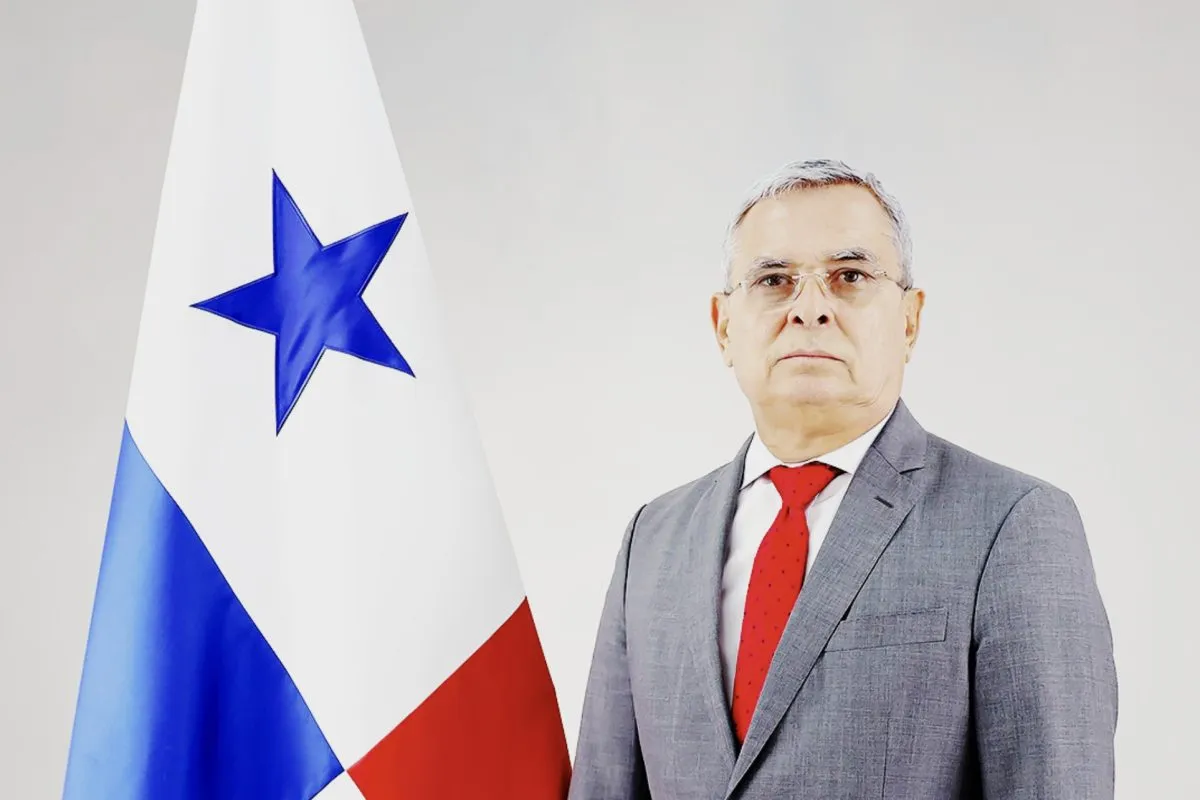
The man who currently oversees Panama’s public spending oversight is pushing for changes that could fundamentally reshape how the country investigates financial crimes against the state. Jaime Barroso, the nation’s top audit prosecutor, revealed in a recent interview that he wants new legal tools to act faster when public money goes missing. Barroso will soon trade his current role for a seat on the Panama Electoral Tribunal, but his immediate focus remains on strengthening the institution he currently leads.
📑 Table of Contents
The proposed reforms target Law 67 from November 2008, the legislation that created and governs the General Audit Office and the Audit Court. Barroso called the 15-year-old law outdated, saying it carries baggage from a different era. The draft legislation has already landed on President Jose Raul Mulino’s desk. Barroso expects the National Assembly could take it up before the current session ends in October.
Moving Beyond Audit Reports
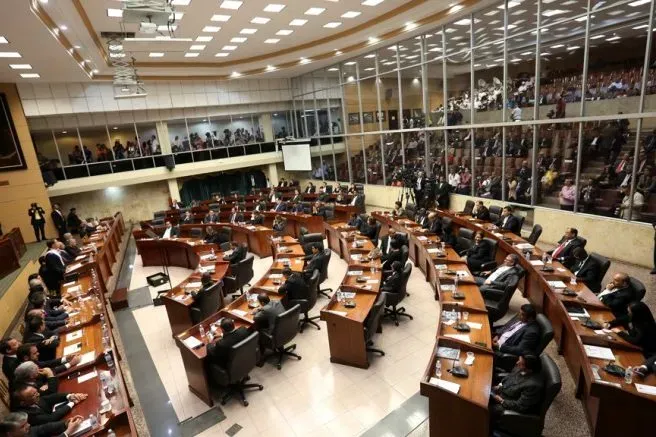
The most significant proposed change involves how investigations begin. Under current rules, the audit prosecutor must wait for the Comptroller General’s office to formally submit an audit report before launching a probe. Barroso wants the power to start investigations based on any credible information, whether that comes from a written complaint, social media posts, or a direct report from a citizen.
‘The change we are proposing will allow the Audit Prosecutor, once they become aware through any means, whether it be a written document, social media, or a complaint, to initiate an investigation into a possible loss of state assets’ [Translated from Spanish]
Barroso made clear this does not diminish the importance of the Comptroller’s audits. Those reports will remain the primary evidence in any case. But the change would eliminate a bottleneck that has historically slowed down investigations. The Office of the Comptroller General of Panama, currently led by Anel ‘Bolo’ Flores, still plays a central role. The reform simply allows the prosecutor to begin gathering evidence while waiting for the official audit paperwork.
The numbers tell a story of growing demand for accountability. Barroso noted that during the previous administration, the audit office received between 30 and 40 audit reports over five years. Now the office receives more than 100 reports each year. The difference, he said, is enormous.
Cases range widely in scale. Some involve potential losses of just one thousand or five thousand dollars. Others run into millions. Between 2022 and May 2026, the office conducted 413 investigations involving 1,604 people. The total estimated damage to public funds reached 156.3 million dollars. The single biggest year was 2025, with 69.4 million dollars in suspected losses. Through May of 2026, investigators had already identified 45.2 million dollars in potential losses.
Not all cases end in punishment. The office has also pursued payment agreements. Between 2019 and May 2026, they signed 179 such agreements, recovering 423,581 dollars for the state.
A New Role on the Electoral Tribunal
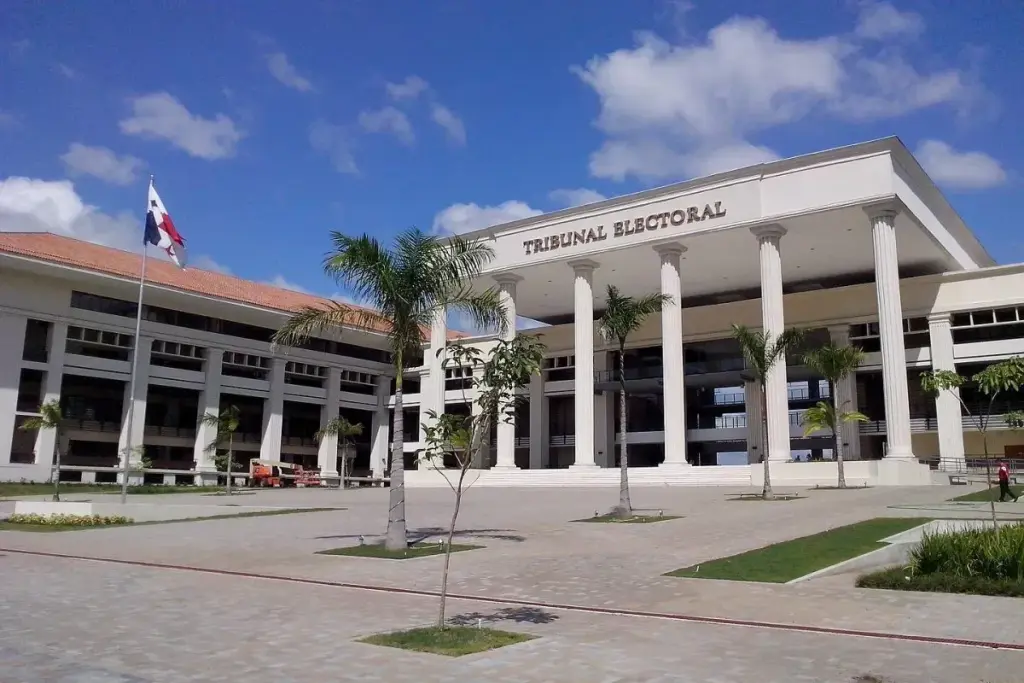
Barroso’s transition to the Electoral Tribunal comes after the National Assembly elected him in April with 52 votes. He will replace Alfredo Junca and take his seat in January 2027. His coalition of support crossed party lines, including votes from Realizando Metas, Cambio Democratico, the Panamenista Party, the Popular Party, and the Revolutionary Democratic Party.
When asked about his priorities for the tribunal, Barroso focused on public trust. He described the Panama Electoral Tribunal as one of the country’s most important institutions, holding democracy itself in its hands. But he stressed that free elections and honest votes mean nothing if people do not believe the results.
‘The Electoral Tribunal is one of the most important institutions in the country. In its hands lies the custody of democracy, guaranteeing pure elections, honest elections, and above all, the freedom of the vote. But for me, something extremely important is to achieve credible results’ [Translated from Spanish]
He painted a clear picture of his goal. When the three magistrates stand before the nation on election day in May 2029 and announce the winner, he wants the population to believe them. No doubts. No conspiracy theories. Just trust in the system.
Barroso also weighed in on the upcoming debate over electoral code reforms. He argued that independent candidacies, known as free postulation, have become a permanent fixture of Panama’s democracy. He does not know whether they will grow or shrink in future elections, but he believes they are here to stay.
‘I do not know if they will decrease, stagnate, or grow more than what they have already achieved, but they have come to stay and I believe they are a necessity for democracy. The population has the right to hear all currents and all political ideas and choose the one they consider best’ [Translated from Spanish]
The audit reform proposal and Barroso’s impending move to the Electoral Tribunal represent two significant shifts in Panama’s institutional landscape. One aims to speed up accountability for those who misuse public funds. The other seeks to protect the integrity of the democratic process itself. Both will face scrutiny in the months ahead as the legislative session continues and the 2029 elections draw closer.