


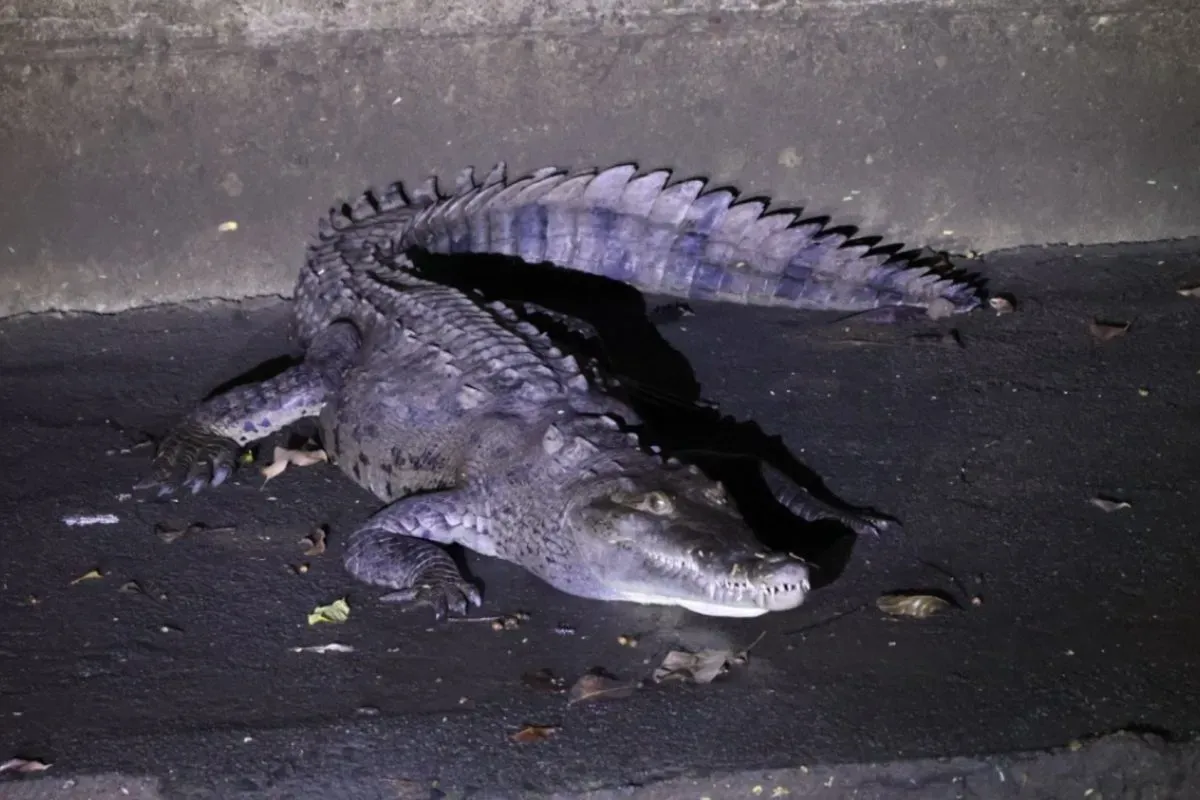
Residents of Panama City’s Clayton, Diablo, and Albrook neighborhoods have grown accustomed to an unusual sight. Large reptiles sunning themselves near drainage channels and forest edges have become a regular part of the landscape. The Ministry of Environment Panama has responded by ramping up monitoring efforts and installing warning signs throughout these districts. This surge in urban crocodile encounters represents a growing challenge for a rapidly expanding city.
Miryam Venegas-Anaya, a biologist widely recognized as the “crocodile doctor,” has spent years studying these animals. She noted that these areas contain rich Panama urban biodiversity, including forests, streams, and ravines that serve as natural habitats. The presence of the American crocodile (Crocodylus acutus) in these settings is not new, but interactions with people have increased as construction pushes deeper into green spaces.
Scientific Monitoring and Risk Assessment
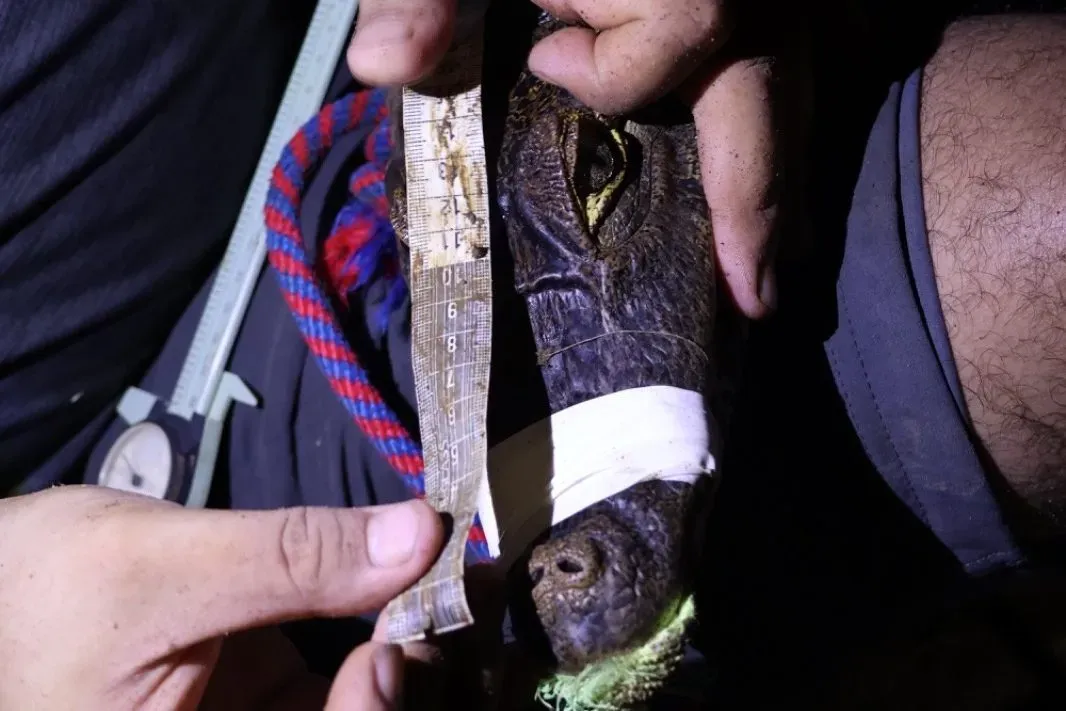
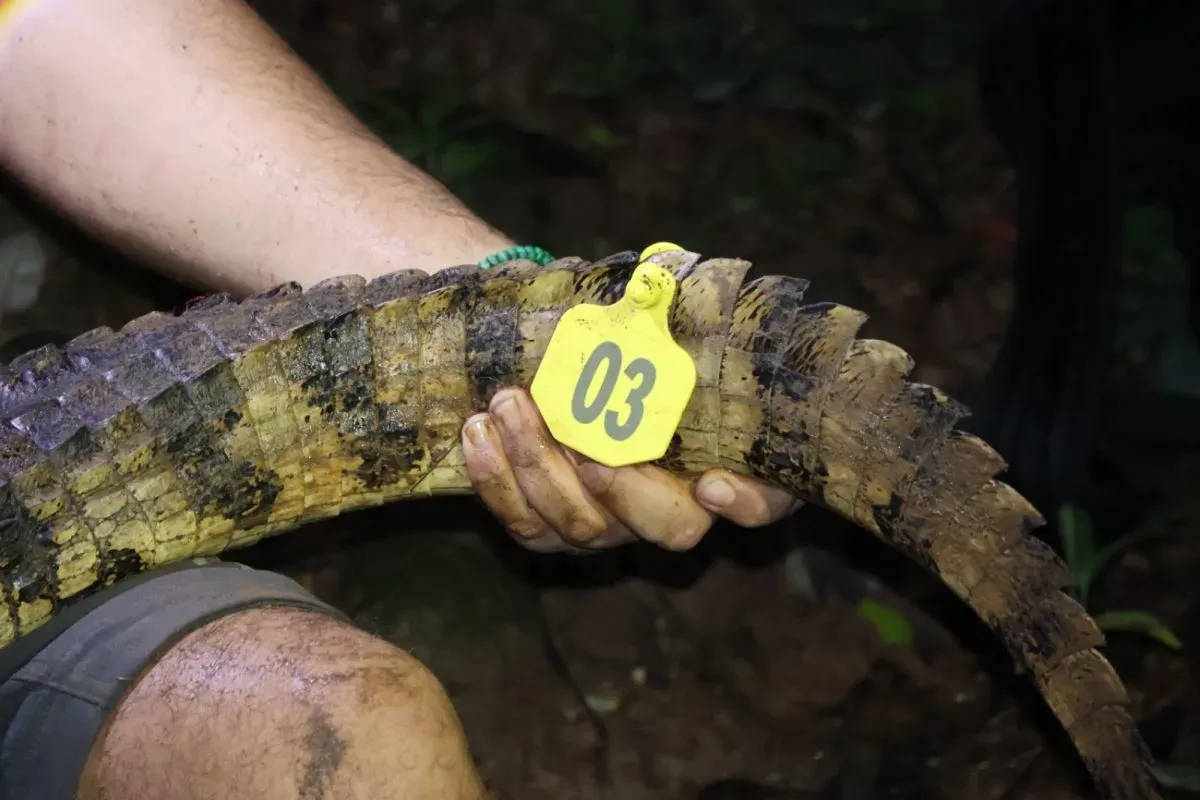
Wildlife officials are not simply removing every crocodile they find. Instead, they follow a careful scientific process. Specialists capture select individuals to take morphometric measurements, record weight, and apply identification markers. Venegas-Anaya explained that this data helps track animal movements and generates valuable information for species management. Each captured crocodile also undergoes a risk assessment questionnaire. When the danger level is low or medium, the reptile gets released at the same capture site. Officials then check its behavior and location every two weeks.
Recently, authorities relocated a large caiman that had taken up residence in Albrook. They described this as a preventive measure to avoid potential conflicts with other reptiles in the area. However, no final number has been established for how many animals might need relocation. All reported specimens remain under technical evaluation while teams focus on counting, identifying, and marking them. Biologists and technicians from the Biodiversity Department at MiAmbiente headquarters and the Metropolitan Regional office are leading this effort.
New Protocol Aims to Reduce Human-Crocodile Conflict
The government is developing a comprehensive response beyond immediate capture and release. A “Contingency Protocol for Managing Negative Interactions between the American Crocodile and Humans” is currently in the public consultation phase. This initiative comes from the Biodiversity Department of MiAmbiente in partnership with the Center for Multidisciplinary Studies in Science, Engineering and Technology AIP (Cemcit AIP) at the Technological University of Panama.
Alongside this protocol, authorities have launched a permanent environmental education program for communities living near crocodile habitats. Over the past three months, teams have conducted patrols and distributed informational materials promoting responsible behavior. The first session took place in El Chorrillo, bringing together community leaders, educators, residents, and local government officials. Participants went on informational walks and coordinated the creation of educational spaces for students.
These awareness campaigns will expand to other parts of the capital and Panama Oeste province where crocodile interactions have been reported. Venegas-Anaya stated that upcoming activities are planned for Don Bosco, Pacora, and communities near the Matasnillo River.
Safety Recommendations for Residents
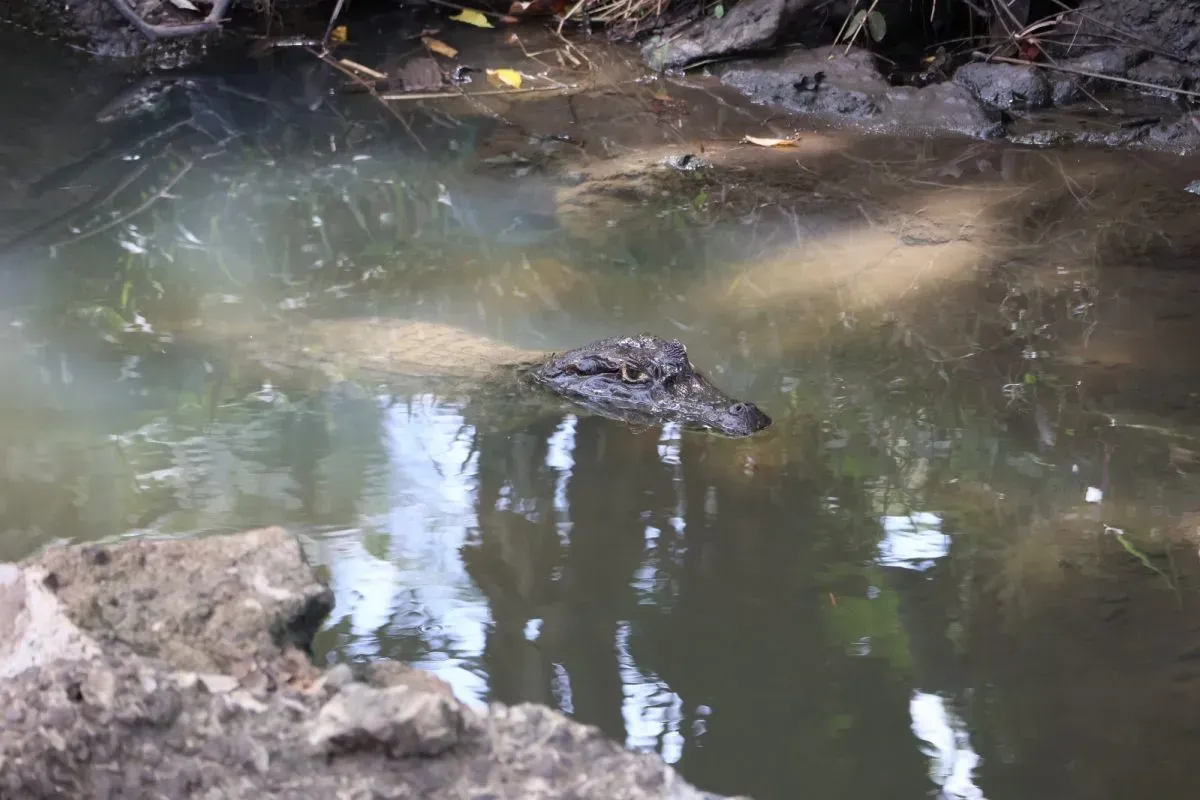
Environmental authorities have issued clear guidelines for the public. People should maintain a safe distance from any crocodile they encounter and never attempt to feed the animals. Leaving food scraps or fish remains near rivers, lagoons, estuaries, or mangroves is particularly dangerous. This practice teaches crocodiles to associate humans with food sources, creating potentially deadly situations.
MiAmbiente urges residents to report any sightings through the 311 hotline or the ministry’s social media channels. This allows specialized personnel to evaluate each case and take appropriate action. The Ministry Environment has also been working on broader digital initiatives to streamline environmental oversight across the country.
The situation in Panama City reflects a global pattern. As urban areas expand into wild spaces, encounters between humans and large animals become inevitable. The key lies in managing these interactions through science, education, and smart policy. Panama’s approach combines rigorous data collection with community engagement, offering a model for other cities facing similar challenges. For now, residents of Clayton, Diablo, and Albrook must learn to coexist with their scaly neighbors while authorities work to keep everyone safe.