

The Panamanian real estate market hit a rough patch last year. New home sales dropped dramatically, falling from 4,737 units in 2024 to just 2,866 in 2025. That is a decline of nearly 40 percent, according to a recent report from 4S Real Estate. The 2024 numbers had actually marked a post-pandemic high, even surpassing sales figures from before COVID-19 hit in 2020. But the momentum did not last.
The loss of 1,871 property sales was not caused by a fundamental lack of buyers. Instead, the report points to specific external shocks. The government eliminated the 10,000 dollar solidarity housing bonus. Lawmakers also temporarily suspended the new preferential interest rate regime. This left potential homeowners, banks, and developers in a state of limbo. Market activity ground to a halt as everyone waited for clarity. These policy changes created a bottleneck that stalled transactions across the board.
Broader economic pressures also played a major role. The Panama unemployment rate hit 10.4 percent. Household purchasing power eroded significantly. Families found it harder to qualify for loans or save for down payments. The combination of lost subsidies and tighter household budgets created a perfect storm for the housing sector.
A Glimmer of Recovery in Early 2026
The story is not entirely grim. Data from the first quarter of 2026 shows signs of life. Developers sold 1,292 homes in just three months. That figure represents nearly half of the total sales recorded for all of 2025. Industry analysts see this as a clear recovery trend. Buyers who sat on the sidelines last year are starting to re-enter the market.
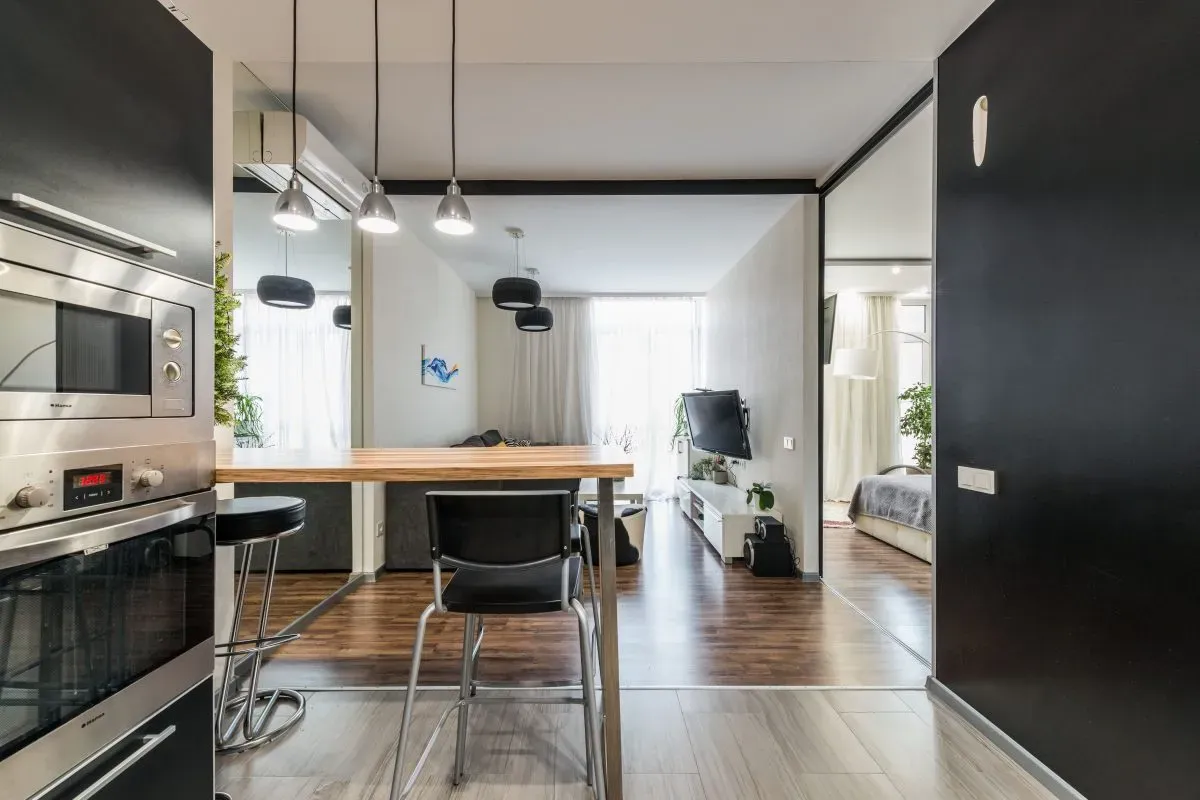
Two-bedroom properties are driving the current sales surge. Whether in high-rise towers or gated communities, these compact units are flying off the market. Apartments sell faster than houses. Buyers want efficient spaces that balance functionality with affordability. The report notes that families are increasingly price-sensitive given rising construction costs and higher interest rates.
Interestingly, the premium segment shows the strongest monthly sales velocity. Wealthier buyers face fewer financing hurdles. They make decisions quickly when they see a property with unique value. This trend suggests that the upper end of the market remains insulated from the credit constraints affecting middle and lower-income households.
Foreign Buyers and Financing Challenges
International demand continues to shape the Panamanian market. More than 45 percent of all buyers come from abroad. The qualified investor visa program grew by 38 percent year-over-year. Foreign capital is flowing into high-end developments, particularly in prime neighborhoods.
Domestic buyers face a much tougher landscape. Banks have tightened lending policies. Key subsidies have disappeared. Interest rate sensitivity is high. Many potential homeowners simply cannot secure financing. Katherine Reyes Espino, president of the Panamanian Association of Real Estate Brokers (Acobir), highlighted the severity of the situation. She noted that sales volume at the 2026 Expo Inmobiliaria dropped 72 percent compared to the 2023 event, which they use as their post-pandemic benchmark.

The government has historically used programs like the subsidy for home buyers in Panama to stimulate demand. The removal of these supports has hit first-time buyers hardest. Without intervention, many lower-income families remain priced out of the formal market.
Price Disparities Across Panama City
Property values vary wildly depending on location and property type. In the primary market for apartments, Santa Ana (Casco Antiguo) commands the highest price at 4,626 dollars per square meter. Veracruz (Panama Pacifico) follows closely at 4,439 dollars. Ancon comes in at 4,275 dollars. Bella Vista sits at 3,782 dollars. Juan Diaz, particularly in areas like Costa del Este, reaches 3,723 dollars. San Francisco records 3,673 dollars. At the low end, Pedregal offers vertical housing at just 2,045 dollars per square meter.
The secondary market tells a different story. MLS data shows Juan Diaz achieved the highest closing price during the first half of 2026 at 2,587 dollars per square meter. That is up from 2,110 dollars in 2025. San Francisco follows at 1,759 dollars. Bella Vista dropped to 1,405 dollars, down from 1,687 dollars the previous year. The citywide average settled at 1,726 dollars per square meter.
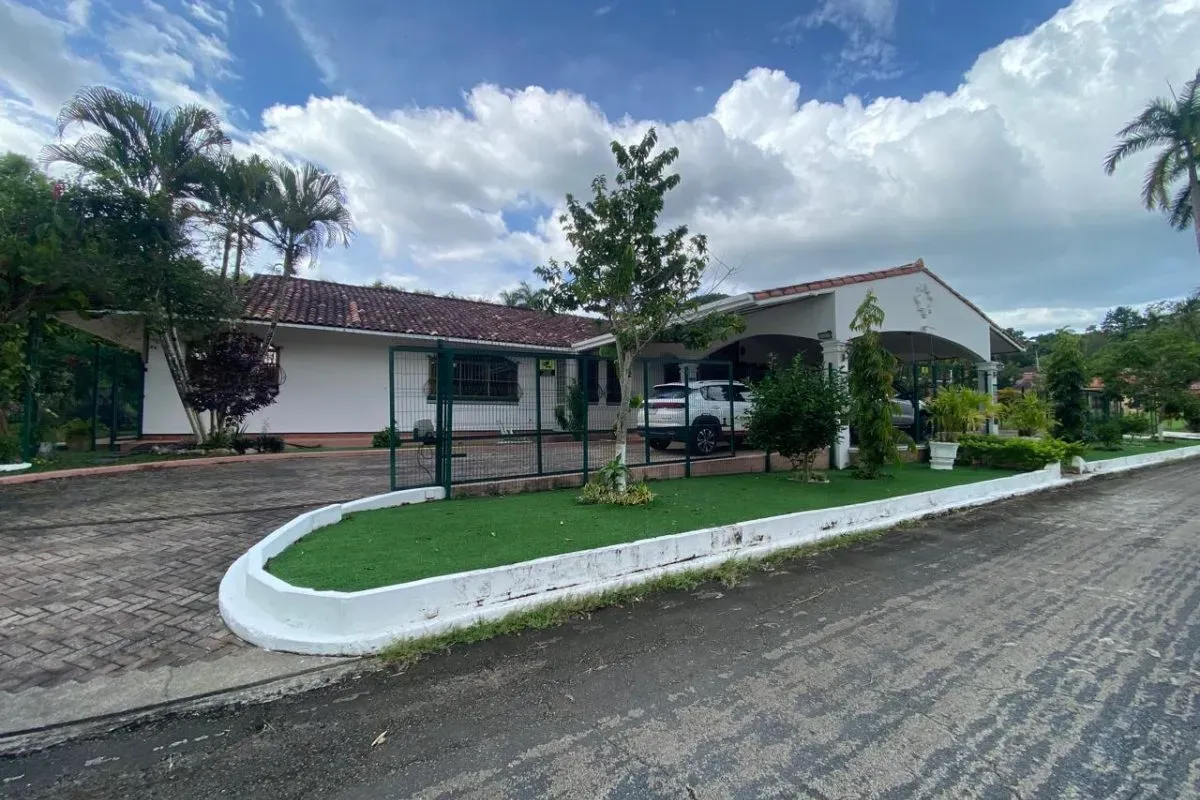
For single-family homes, prices are more consistent. Most zones fall between 850 and 1,200 dollars per square meter. An exception is Ernesto Cordoba Campos in Panama Norte, where values hit 1,922 dollars. In the eastern sector, Pacora records 964 dollars, Tocumen 1,031 dollars, and Nuevo Tocumen 918 dollars. On the west side, Puerto Caimito reports 681 dollars, while Juan Demostenes Arosemena reaches 848 dollars.
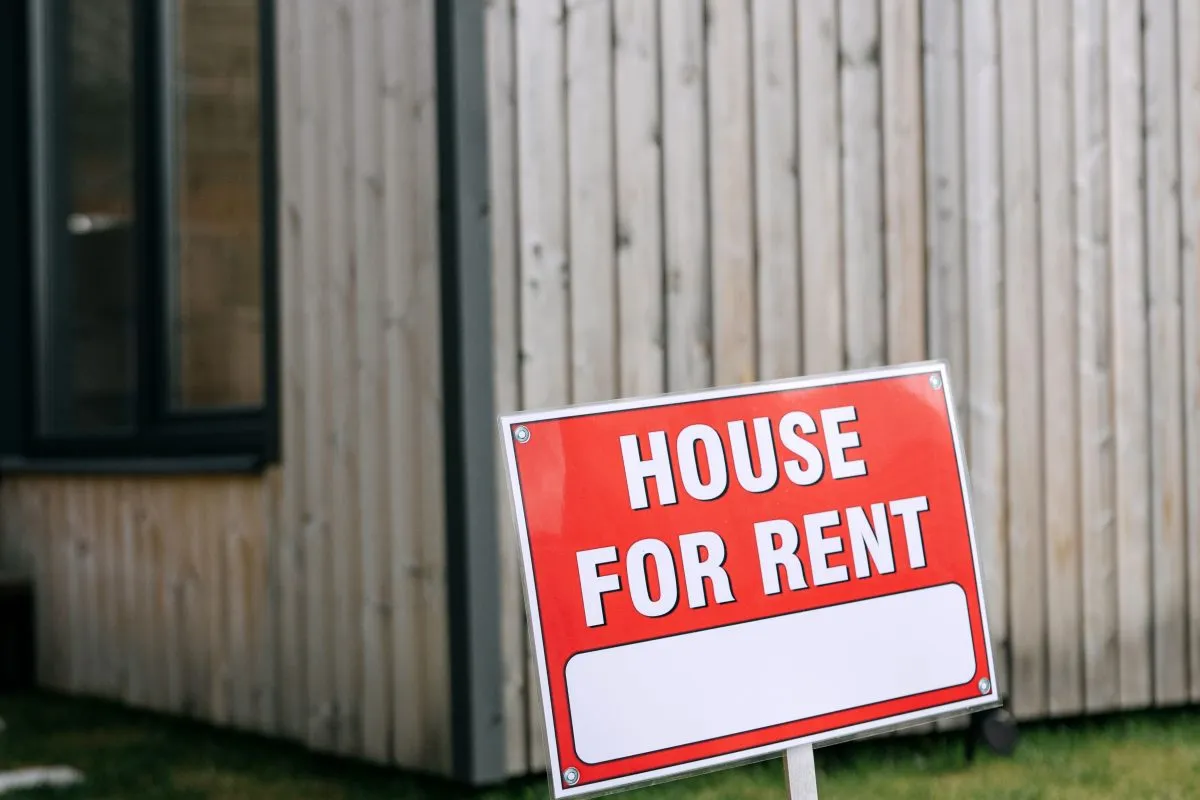
The rental market is also recovering. Apartment rents have climbed steadily since 2023. The first half of 2026 saw the highest rental rates in years. Juan Diaz leads at 14.17 dollars per square meter. San Francisco follows at 12.73 dollars. Bella Vista records 12.18 dollars. The citywide average is 12.57 dollars per square meter. A typical 90-square-meter apartment now rents for about 1,130 dollars per month.
The Panama housing market decline reflects a complex mix of policy shifts, economic headwinds, and changing buyer behavior. The early 2026 data offers hope, but the path to full recovery remains uncertain. Developers, bankers, and policymakers are watching closely to see if the rebound can sustain itself through the rest of the year.