


Government distances itself from recruitment scheme that has left at least one Panamanian dead and several missing
The Panamanian government has confirmed that at least 15 citizens have been recruited to fight in the ongoing conflict between Russia and Ukraine, a development that has sparked alarm among families and prompted official investigations into what appears to be an international recruitment network targeting vulnerable Latin Americans.
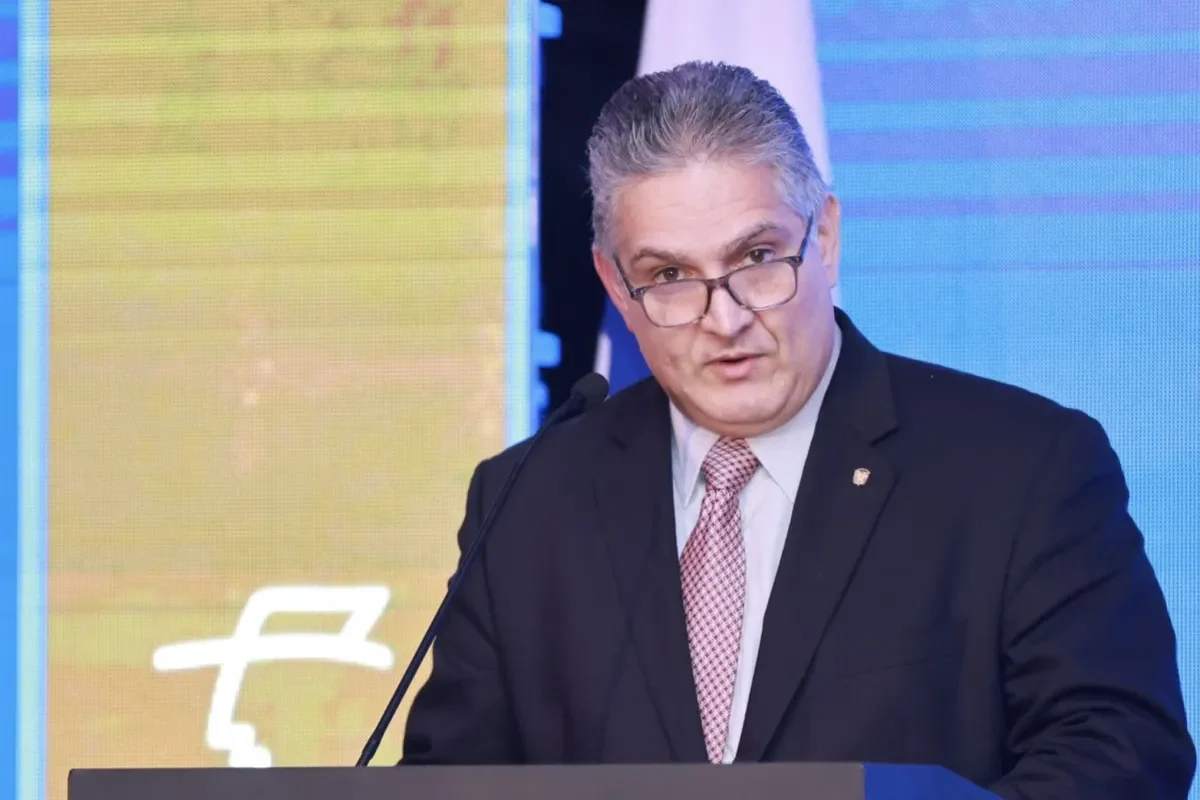
Carlos Arturo Hoyos, the acting Vice Minister of Foreign Affairs revealed that Panamanian authorities have been tracking these cases since November 2025, with reports indicating that one citizen has died and several others remain unaccounted for. The confirmation came after families in the western province of Chiriquí raised alarm about loved ones who had traveled abroad following promises of lucrative employment opportunities.
Government Stance: No Official Involvement
President José Raúl Mulino’s administration has been unequivocal in stating that the government bears no responsibility for these citizens’ decisions. During a public event in Arraiján, Panama Oeste, Presidency Minister Juan Carlos Orillac emphasized that the Executive Branch neither supports nor participates in such activities.
“Es una lástima,” Orillac told reporters. “This is not an issue that the National Government or President Mulino have absolutely anything to do with”.
The minister stressed that these are personal decisions that fall outside government control, while cautioning families to remain vigilant against recruitment offers that may appear as legitimate job opportunities.

How the Recruitment Scheme Operates
Investigations and family testimonies have revealed a sophisticated recruitment network that has been operating across Latin America, with similar cases documented in El Salvador, Colombia, and Cuba. The scheme typically begins with social media outreach – particularly on TikTok, Facebook, and Telegram – where recruiters advertise positions in private security, logistics, or construction with salaries reportedly reaching $10,000 per month.
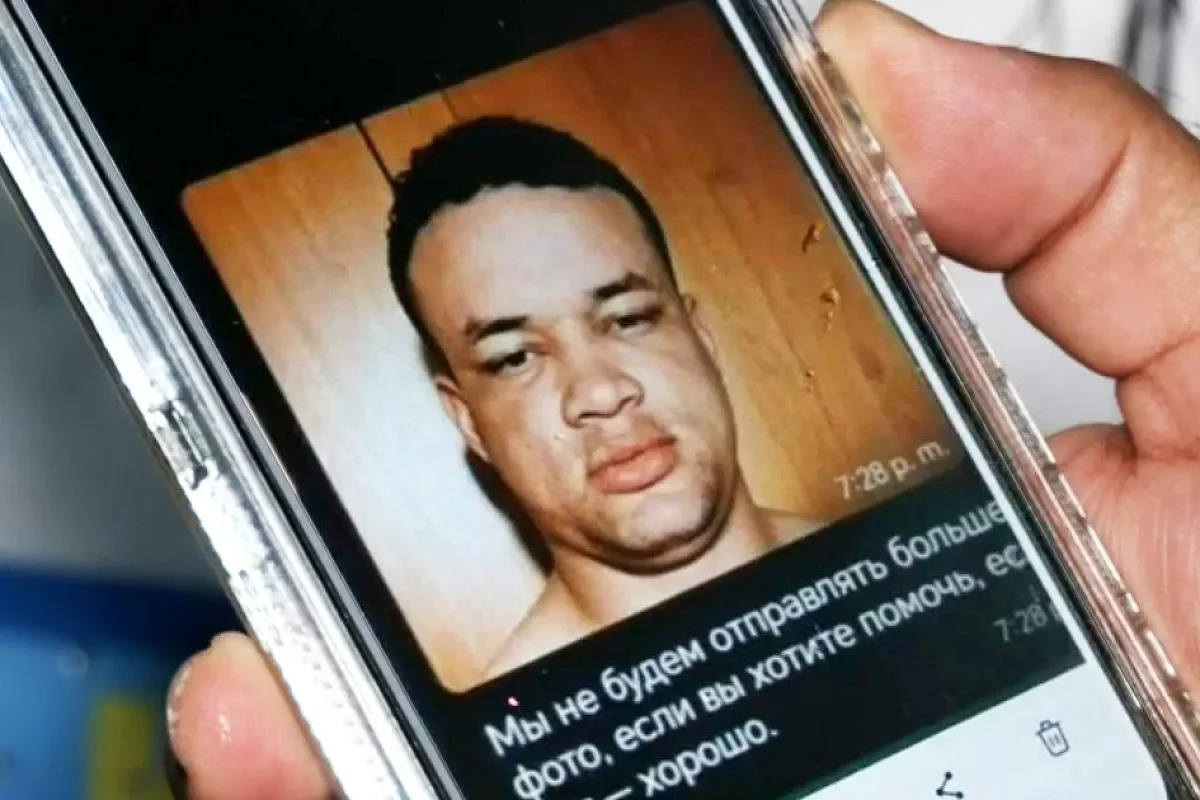
The journey often involves multiple stopovers, including Colombia, Spain, and Turkey, before reaching Russian territory. Once there, according to accounts gathered by Radio Panamá, recruits have their documents confiscated and are required to sign contracts – presented only in Russian – that may commit them to military service “until the end of the war”.
One young Panamanian who reportedly contacted Radio Panamá from Russia insisted that some recruits knowingly accepted combat roles but chose not to inform their families to avoid causing worry. However, other testimonies suggest that many were deceived about the true nature of their employment.
Diplomatic Efforts and Challenges
The Foreign Ministry has been actively seeking information through multiple channels, making formal requests to both the Russian and Ukrainian embassies in Panama, as well as through Panamanian diplomatic missions in Moscow and Poland.
Russian authorities have reportedly responded that the contracts signed are voluntary and represent individual decisions. However, Panamanian officials have expressed concern about the language barrier, noting that contracts presented only in Russian may prevent recruits from fully understanding their obligations before signing.
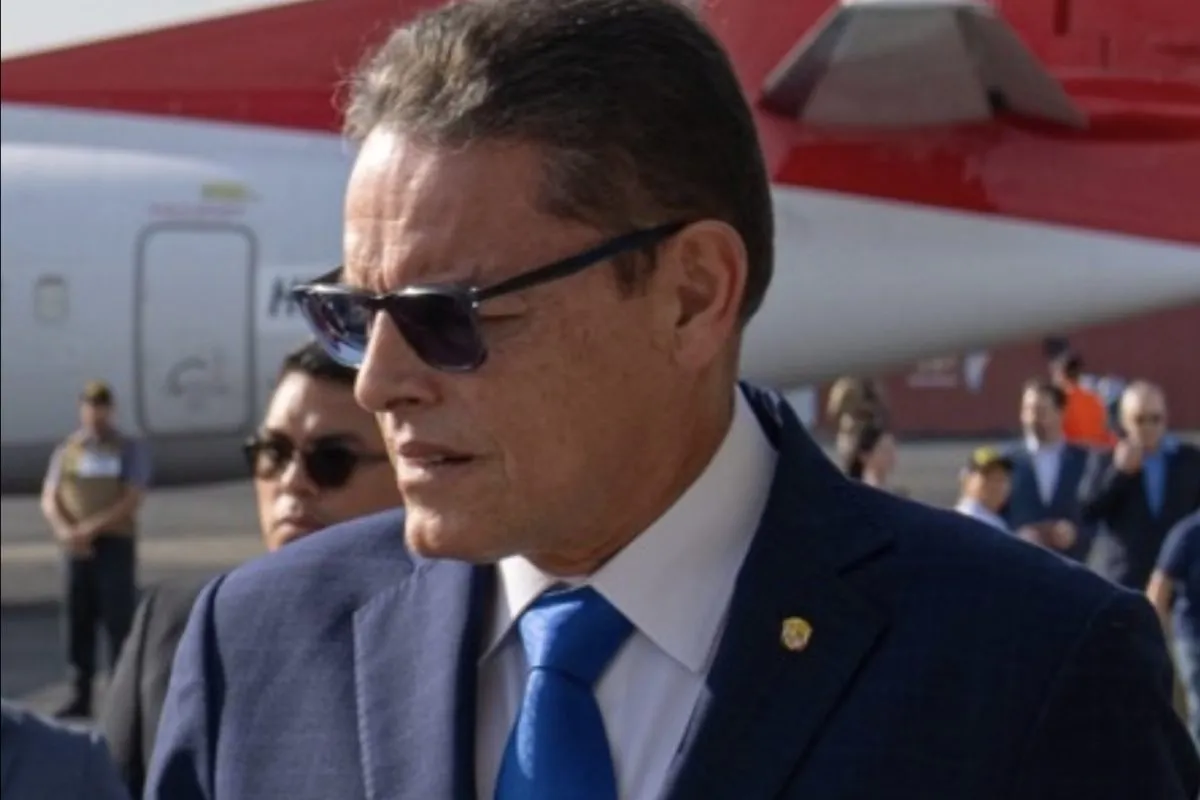
Security Minister Frank Ábrego confirmed that both his ministry and the Foreign Ministry were aware of the situation before it became public knowledge. He advised citizens to exercise extreme caution regarding any international job offers that may conceal military purposes.
Humanitarian Concerns
The confirmed death and multiple disappearances have intensified pressure on the government to provide consular assistance to affected families. However, Orillac noted that authorities have not yet established direct contact with relatives, describing the matter as one of individual decisions that fall outside government purview.
The Foreign Ministry has pledged to continue its diplomatic efforts and provide the necessary consular assistance to Panamanian citizens affected by this situation. Meanwhile, authorities have issued repeated warnings to the public about the dangers of accepting international job offers without thorough verification, particularly those that appear too good to be true.
The conflict, which began in February 2022 when Russia invaded Ukraine, has now directly impacted Panamanian citizens – a development that highlights the far-reaching consequences of global conflicts and the vulnerabilities that international recruitment networks exploit in economically disadvantaged communities across Latin America.