



The needle moves with precision, guided by real-time images, and a liver tumor shrinks without a single large incision. For patients at Panama’s National Oncology Institute Cancer Hospital, such minimally invasive miracles now come with an unprecedented seal of approval. This month, the institute became the first public oncology hospital in Latin America to earn accreditation from the International Alliance for Services in Interventional Oncology, an organisation based in Vienna that sets the global benchmark for image-guided cancer treatments.
The journey to this recognition wasn’t a brief sprint. It spanned more than two years of relentless audits, protocol overhauls, and a complete rethinking of how a multidisciplinary team delivers care. A team of over 20 professionals, led by Dr. Héctor Tapia, the hospital’s head of imaging and interventional radiology, had to prove that a public institution could match the rigour of elite private centres anywhere in the world. Documents reviewed by the Ap news agency showed that the certification process scrutinised everything from clinical infrastructure to patient safety checklists and staff training programmes.
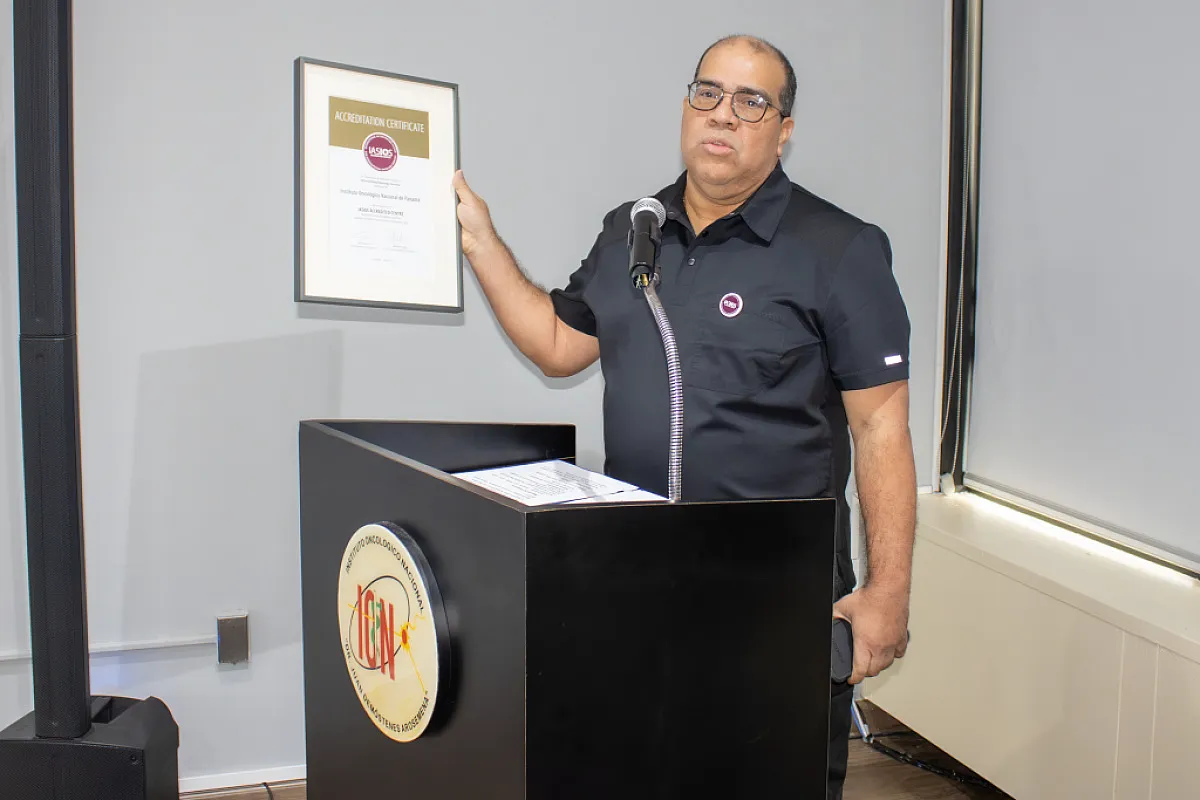
Two Years of Relentless Evaluation
Dr. Julio Santamaría, the institute’s director general, didn’t mince words about the effort involved.
“Our interventional radiology team took two years to be evaluated by this body to improve the clinical practice of treatment. They achieved it, and today we receive this accreditation” [Translated from Spanish]
The evaluation wasn’t a rubber stamp. IASIOS assessors dug into the minutiae of everyday care, verifying that protocols for tumor embolization, needle ablations, and targeted drug delivery met standards normally associated with well-funded private sector giants. The team had to document everything, from how patients are prepared before a procedure to the follow-up protocols that catch complications early.
Insiders describe a cultural shift. The radiology service restructured its workflow so that oncologists, surgeons, and imaging specialists now review cases together, weighing each patient’s risks before settling on a treatment plan. This multidisciplinary approach, a core IASIOS requirement, has already begun reducing hospital stays, officials said. The accreditation, much like the rigorous interoperability standards set by alliances like Nato, demands that all parts of the system speak the same language and adhere to the same uncompromising benchmarks.
A Public Hospital’s Leap into Global Excellence
Dr. Alex González, adviser to the Health Ministry’s upper office and president of the institute’s board, called the achievement a turning point.
“Obtaining this accreditation has been a demanding process of over two years. For our patients, it means the peace of mind of receiving safe treatments with world-class excellence standards. It’s a source of pride for Panama and a transcendental step to strengthen oncological care in the public health system” [Translated from Spanish]
His words matter because Panama’s public healthcare apparatus often battles perceptions of shortfalls. Now, a government-funded cancer hospital stands alongside a handful of globally certified centres, most of them private.
This shift didn’t happen in a vacuum. The institute’s leadership pushed for the IASIOS credential to align with broader international health ambitions, including those championed by the Un through its sustainable development goals on non-communicable diseases. The certification effectively tells patients that they don’t need to fly abroad for cutting-edge interventional oncology. Treatments for liver, lung, and other deep-seated tumors now carry a guarantee of safety that mirrors what’s available in Europe or North America.
What Patients Actually Gain
For someone facing a cancer diagnosis, the term “accreditation” can feel abstract. The real difference shows up in what happens on the treatment table. Interventional radiology uses CT scans, ultrasound, or MRI to guide tiny instruments through blood vessels or skin directly to a tumor. Instead of opening a chest or abdomen, a doctor can burn, freeze, or deliver a high-dose drug to cancerous cells while sparing healthy tissue. The result for many patients is less pain, a hospital stay that might last hours rather than days, and quicker return to normal life.
The institute’s team now performs these procedures under protocols that have been stress-tested by international reviewers. Every step, from verifying a patient’s identity to calibrating imaging equipment, follows a checklist designed to catch errors before they happen. The team of 20 professionals who built the foundation includes nurses, technologists, and administrative staff who often go unnoticed but whose work now meets a global yardstick. Their effort means a retiree from Penonomé or a young mother from Colón can access the same level of verified care as someone in Vienna.
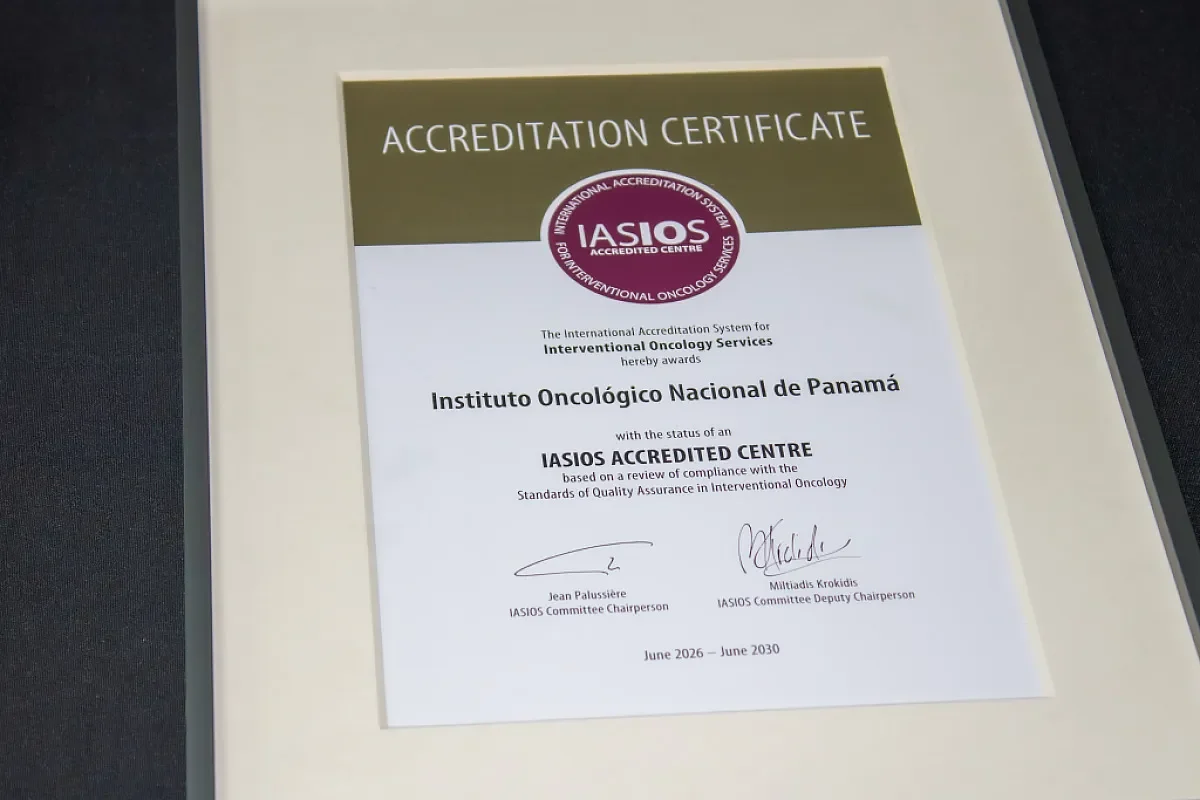
Technology Meets Public Service
Radiología intervencionista, as the specialty is known in Spanish, isn’t new, but its application in a public hospital reaching international accreditation is a first for Latin America. The IASIOS certification covers a range of procedures, from biopsies that avoid open surgery to emergency treatments for bleeding caused by tumors. The institute’s investment in imaging technology and training, often a quiet line item in budgets, suddenly grabbed the spotlight when auditors confirmed it matched the best in the world.
Dr. Tapia’s team can now treat tumors that once meant a direct path to the operating room. They thread catheters, inject microspheres that block blood flow to cancers, and use radiofrequency waves to destroy lesions, all while monitoring progress on high-resolution screens. The accreditation validates that these complex interventions happen inside a system built on patient safety, not just heroic individual skill. The institute’s leaders stress that the certification doesn’t mark the end of a project. It begins a cycle of continuous reassessment, meaning every six months or year, outside eyes will return to make sure standards haven’t slipped.
For Panama, the milestone reshapes how the country sits on the regional health map. A public oncology hospital no longer trails behind private competitors. Instead, it becomes the benchmark that others now chase. The timing matters, too, as cancer incidence creeps upward across Central America and access to advanced therapies remains wildly uneven. When the IASIOS certificate was handed over, a palpable sense of relief mixed with ambition filled the auditorium. The institute had opted for the harder path, transparency under foreign scrutiny, and it paid off.
Looking ahead, the certification’s ripple effects could touch everything from medical tourism to training programmes. Young radiologists and oncologists will want to learn in an accredited environment. Patients from neighbouring countries, where public interventional oncology lags, might seek referrals. None of that detracts from the core promise: a safety net hospital now delivers cancer care measured by a global yardstick, not just a local one. And it did so by inviting the toughest examiners, handing them the rulebook, and saying, “watch us.”