


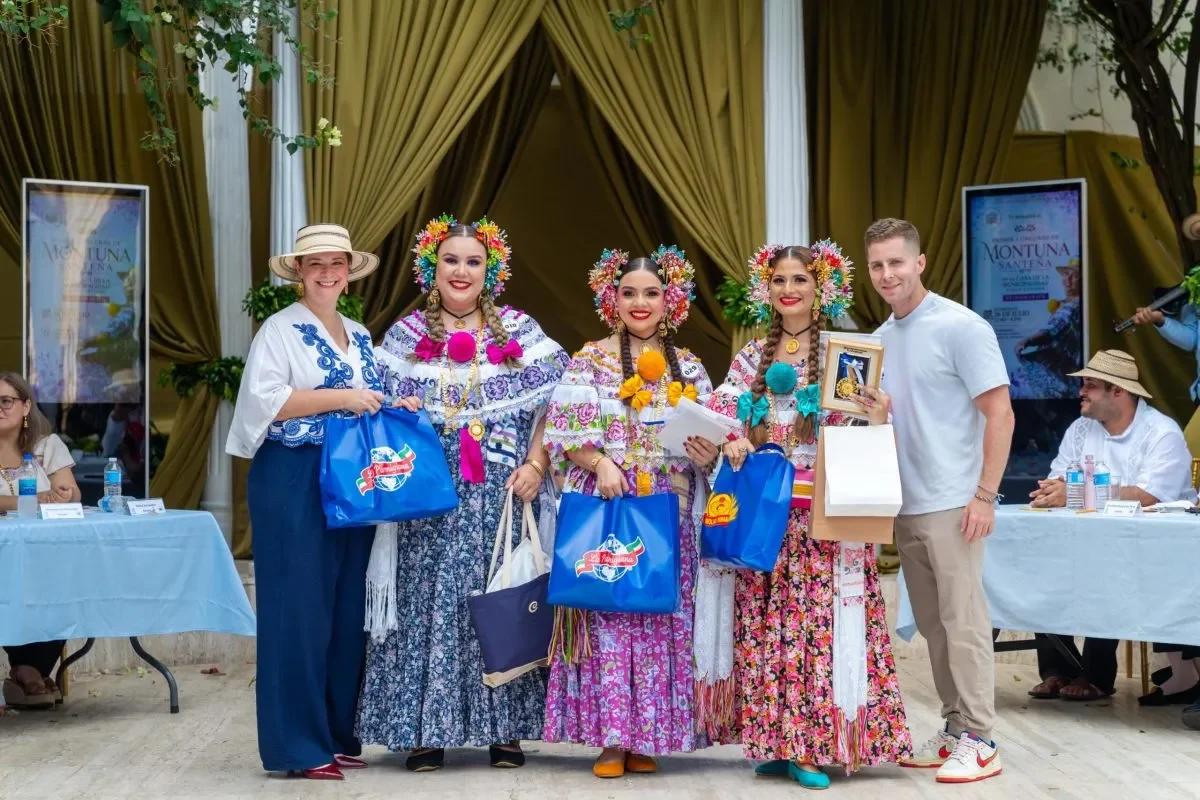
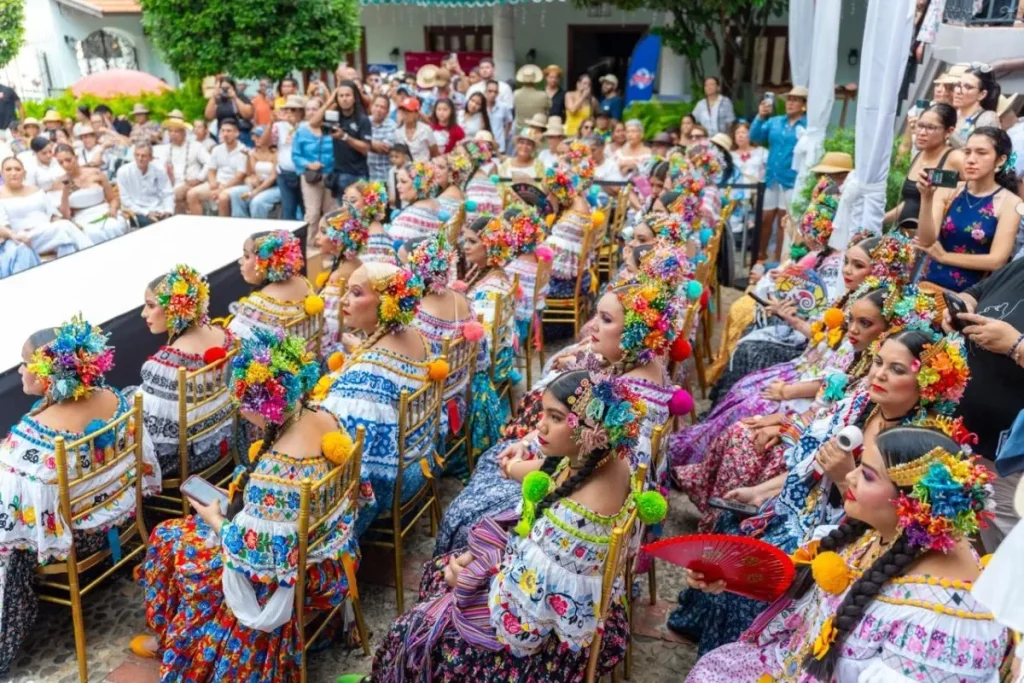
Under the carved wooden eaves of the Municipal House in San Felipe, 30 women glided across the floor in crisp cotton skirts, their head wraps crisp and gold chains catching the afternoon light. This was the debut of the Concurso de la Montuna Santeña, a cultural program of the Casco Peatonal that shifted attention from Panama’s famous gala pollera to the hardworking country cousin from Los Santos. Organizers packed the colonial venue with residents and tourists alike, eager to see ancestral dress celebrated inside the capital’s historic core.
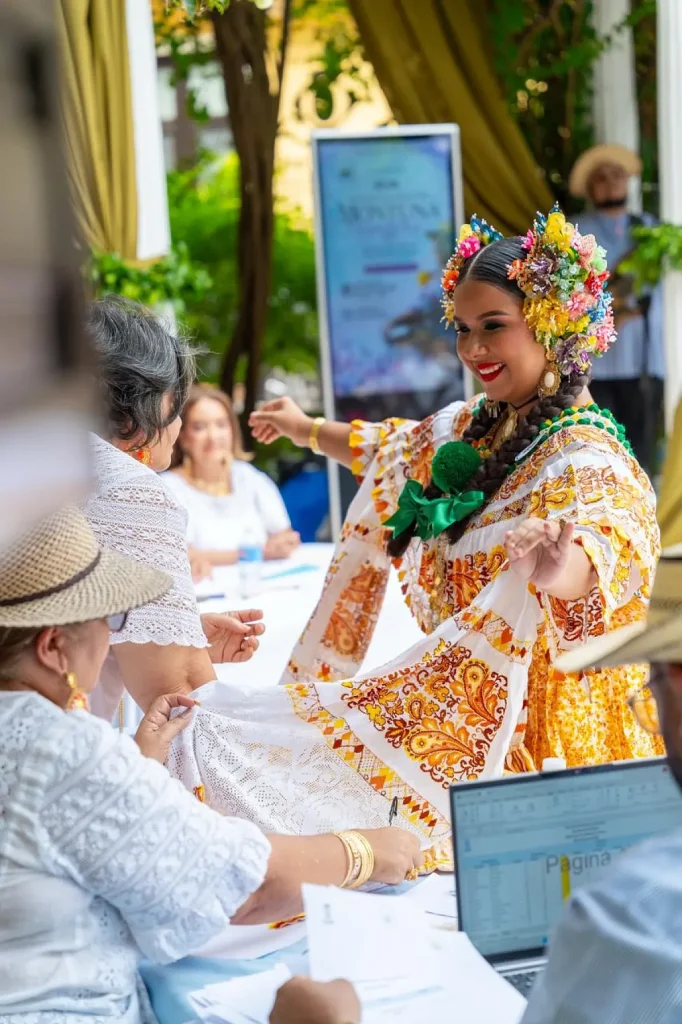
From Country Fields to the Colonial Stage
The montuna santeña emerged generations ago not as festival wear but as daily armor for campesinas tending crops, cooking over open fires, or walking dusty trade routes to town. Its skirt falls with less volume than a formal pollera, and the embroidery, while intricate, prizes durability over delicacy. Anthropologists often describe it as the work dress of Panama’s rural matriarchs, a garment that survived precisely because it could be scrubbed, patched, and passed down.
Reviving that utilitarian elegance became the contest’s quiet mission. Seventy years of industrialization and cheap imports have shrunk the number of women who stitch these ensembles by hand. The municipal cultural office saw an opportunity to link the pedestrian-friendly Casco Viejo revival with a living tradition. Placing campesina heritage in a city landmark made a statement: identity preservation belongs as much to the capital as to the countryside.
Needle-Fine Judging and the Pursuit of Authenticity
A nine-person panel shouldered the challenge of selecting winners rooted in historical accuracy. Ana Montenegro de Penna, Carmen Santana Soriano, José del Carmen Combe, and six other judges spent hours examining seam fidelity, cloth quality, color harmony, headdress composition, and the arrangement of tembleques and chains. They rejected modern shortcuts, looking instead for hand-smocking, traditional ladder stitches, and proportions documented in regional archives.
María Tejeira Castro captured first place with an ensemble the jury called almost archival in its precision. Angélica Raquel Cedeño followed in second, and Nilka García took third. The specialty awards recognized different dimensions of artistry: Diana Caronila Quintero earned the Donaire prize for grace and posture, while Carol Domínguez claimed Atavío for the most cohesive overall adornment. Spectators erupted in applause for all 30 participants, turning the floor into a moving museum of rural craftsmanship.
The Mayor’s Family Touch and Cultural Strategy
Panama City Mayer Mizrachi didn’t just hand out certificates from a podium. He stood beside his mother, Rebeca Matalon, as they spoke with each participant, thanking them for safeguarding what he called a vernacular treasure. The image of a mayor with his mother underscored the intergenerational nature of the event and sparked social media chatter about family-driven heritage campaigns.
Mizrachi’s administration has steadily woven folk programming into the Casco Peatonal calendar to boost foot traffic and deepen local pride. He framed the contest not as a competition but as a collective ritual of remembrance. Organizers hope the event becomes an annual fixture that draws seamstresses from Los Santos, Herrera, and beyond, linking rural ateliers to urban markets and tourism circuits.
Why the Montuna Matters Beyond the Runway
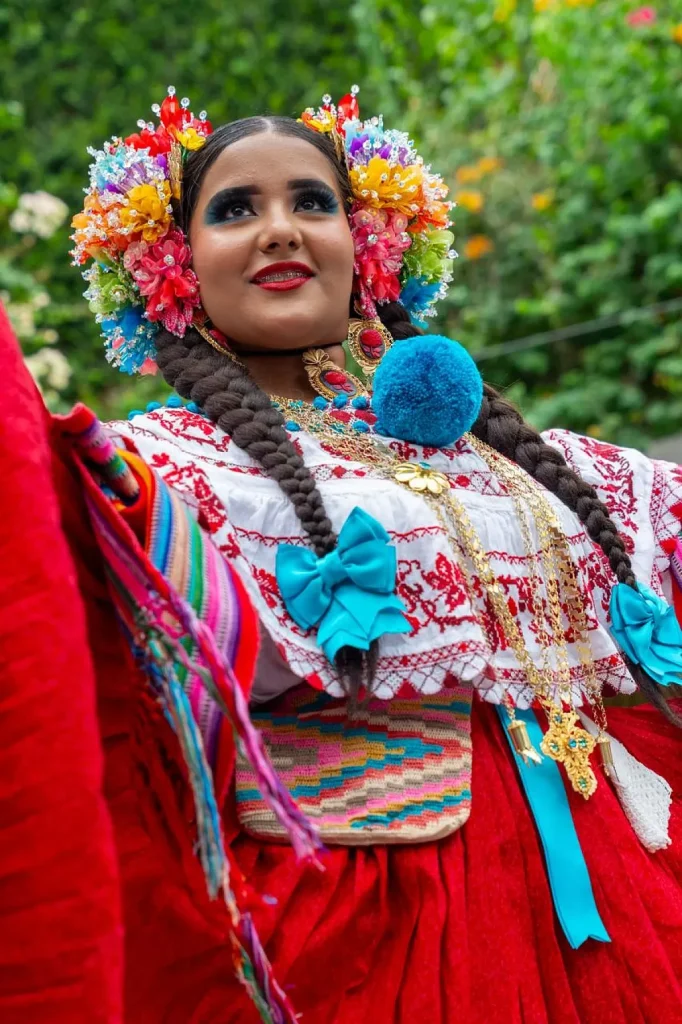
A single contest can’t reverse the pressures of globalized fashion, but artisans in towns like Guararé and Las Tablas say visibility in the capital changes the economics. Orders for custom montunas often spike after public exhibitions, giving younger generations a reason to learn the craft. A master seamstress can spend three months on one ensemble, and fair recognition helps sustain those slow rhythms.
The Casco Peatonal buzzed well past the final announcement as visitors swarmed food stalls and queued to photograph the participants. Something deeper than spectacle took root: a recognition that even a work dress carries the weight of identity. For the women who walked that floor, the afternoon was a quiet confirmation that the countryside never really left the city, it was just waiting for a place to shine.