


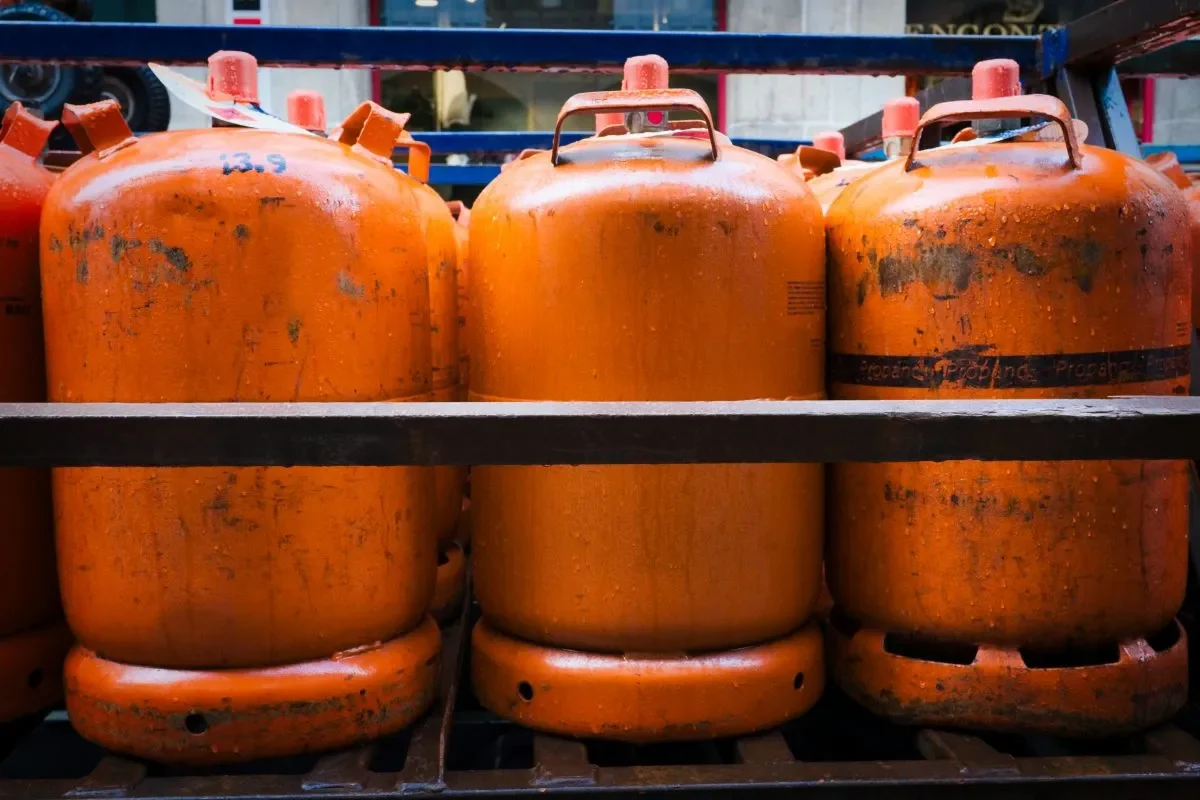
The future of Panama gas cylinders in corner stores and mini‑supermarkets hung in the balance this week after small retailers threatened to pull the 25‑pound tanks from their shelves. At the heart of the standoff was a wave of anxiety: shop owners feared they would be fined on the spot if government inspectors found a cylinder that was even slightly underweight. Panamanian consumer authority Acodeco moved quickly to douse the fire, insisting its operation was never designed to punish the retailers who sell the sealed containers.
Retailers Sound the Alarm Over Possible Fines
For several days, owners of minisúper and abarroterías across the country debated an almost unthinkable step, suspending the sale of 25‑pound gas cylinders altogether. The conversation erupted after local merchants said they were getting mixed signals during early rounds of inspections. The fear was simple: if an inspector weighed a tank and found less gas than the label promised, the shop could face immediate sanctions, even though the container arrives sealed from the distributor.
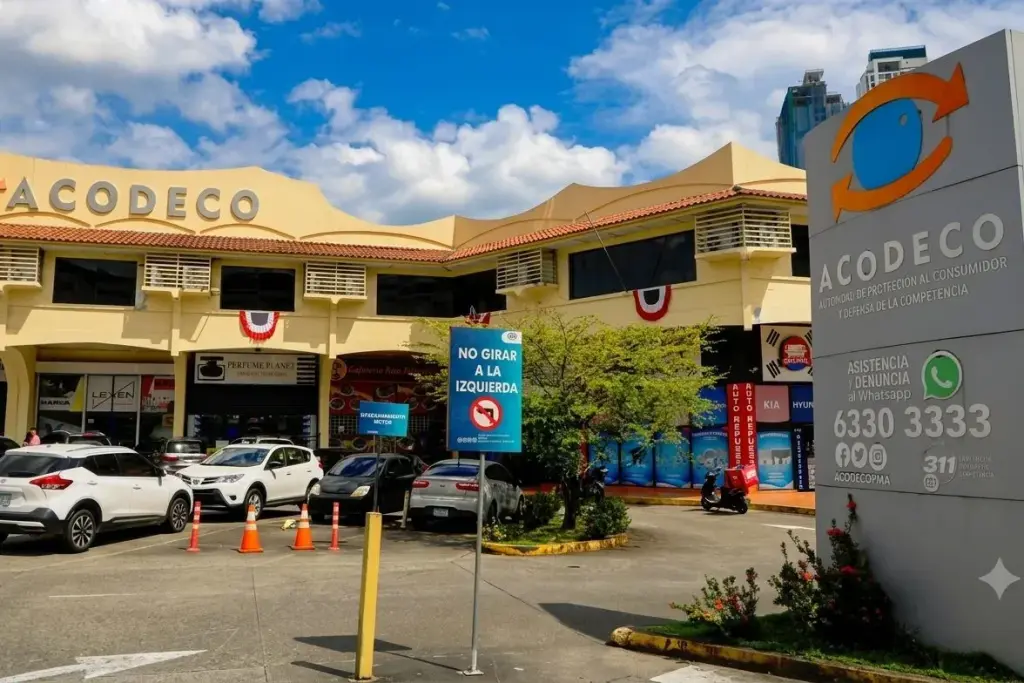
Acodeco heard those fears loud and clear. The agency quickly issued a public clarification, stressing that the entire point of the verification campaign is to follow the trail back to the source. The inspectors are not parking themselves at retail counters to write tickets. They are trying to identify where in the distribution chain the shortfall happens, whether at the filling plant, during transport, or somewhere else.
How Panama Gas Cylinders Inspections Are Designed to Work
The inspection protocol is methodical. When Acodeco officials arrive at a business, they use calibrated scales to check the net content of each cylinder. If a tank comes up light, the difference is documented and the cylinder is immediately removed from the point of sale. It is then transported to the institution’s main headquarters, where a second round of technical verification begins. The goal is to preserve the evidence and trace the exact moment the shortage was introduced.
After the laboratory‑grade review, Acodeco notifies the distributor responsible for that batch. The distributor gets a formal chance to present its side of the story, delivery records, maintenance logs, quality control reports, before any penalty is considered. Only when the evidence points clearly to a violation of Panama’s net‑content rules do sanctions kick in, and those sanctions are directed at the party that caused the problem, not the shop that sold the cylinder without ever opening it.
Consumer Rights Take Center Stage
Ramón Abadi, the head of Acodeco, underlined that the entire operation rests on a single principle.
“The purpose of these actions is to guarantee that consumers receive the amount of gas they pay for,” [Translated from Spanish]
he said. His statement touches a nerve in a country where liquefied petroleum gas is the primary cooking fuel for millions of households. Every missing ounce chips away at a family’s budget, especially in communities where every centavo counts.
The short‑weight problem has been a recurring headache for Panamanian households. Consumer complaint logs show periodic spikes in reports of cylinders that run out faster than expected. Acodeco’s intensified verification blitz aims to move beyond anecdotes and gather hard evidence across the supply chain. By keeping the pressure on distributors while shielding honest shopkeepers, the agency hopes to clean up the market without creating a panic in the corner stores that many neighborhoods rely on.
The Supply Chain Effects of Panama Gas Cylinders Oversight
The clarification from Acodeco could reshape how the entire distribution network handles the 25‑pound tanks. Distributors now know that every cylinder can be pulled from a store, weighed, and traced back to their fill records. That creates a powerful incentive to tighten internal controls, from the moment the gas is pumped to the moment the truck leaves the depot. Some industry observers expect an immediate round of spot‑checks at filling stations, as the major distributors try to get ahead of any investigations.
Retailers, meanwhile, seem to be stepping back from the brink. The threat of a broad sales suspension appears to be off the table for now, replaced by cautious relief. Shop owners say they just wanted a clear line between their role and the responsibility of the companies that fill the cylinders. With Acodeco drawing that line in public, the focus shifts back to what happens long before a tank ever reaches a kiosk on a busy Panama City corner.
The standoff revealed a quiet truth about the Panama gas cylinders market: the small businesses that sell these tanks are often the most visible face of the industry, but they are also the most powerless link in the chain. By protecting them from unfair punishment, Acodeco is acknowledging that real consumer protection means tracing the problem all the way up the ladder. For now, households can expect the same blue‑and‑white cylinders on the shelves, but with a much sharper eye on the weight that really counts.