


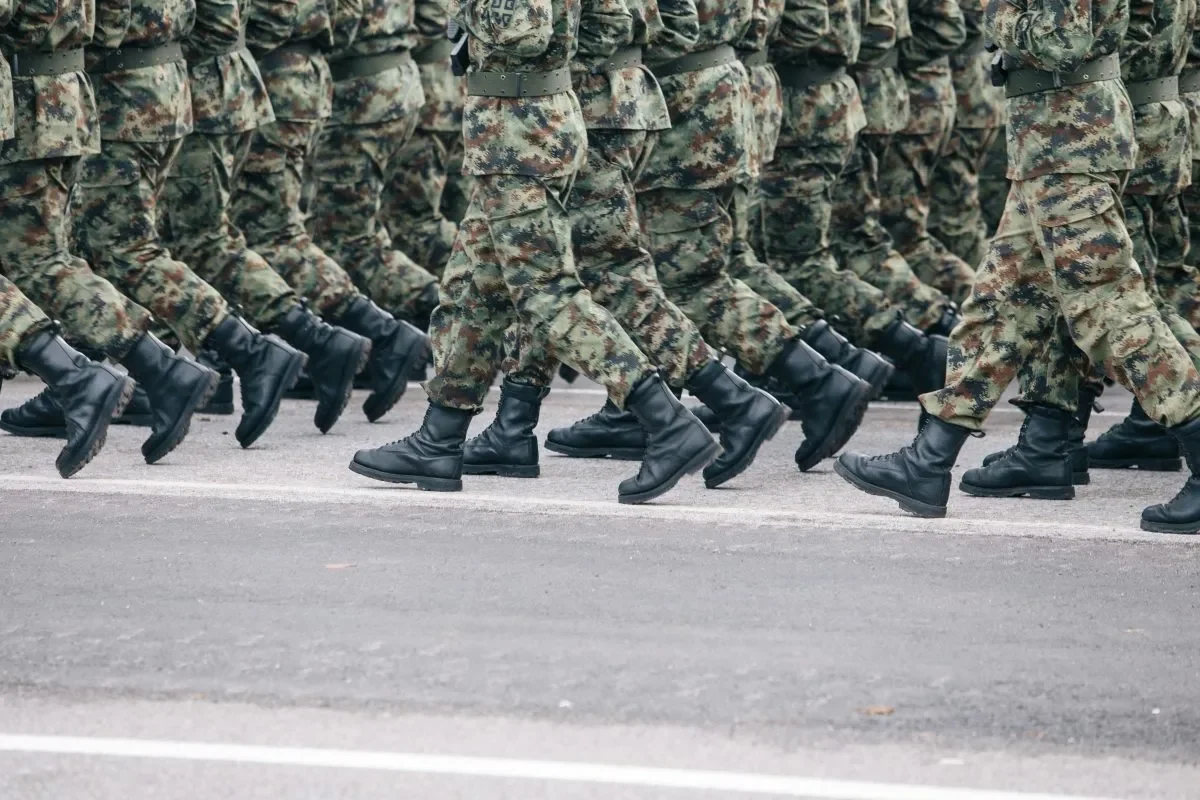
Adrián González Morán, a Panamanian citizen who had been discharged from Russian military forces, is on his way back to Panama City. Panamanian returns from Russia, was officially confirmed by the Ministry of Foreign Affairs, which detailed the steps taken to ensure his safe repatriation after a period of consular uncertainty and physical injury.
How the Panamanian Return from Russia Was Secured
Carmen Ávila, Panama’s ambassador in Moscow, personally escorted González Morán to the airport to verify his boarding and guarantee a smooth exit from the country. The diplomat’s direct involvement underscores the sensitivity of a case in which a wounded national had been entangled in the machinery of a foreign war. Russian authorities also facilitated the departure, with a consular official from the Russian Foreign Ministry accompanying him all the way to the boarding gate.
The journey home was arranged on a Turkish Airlines flight, and unlike many diplomatic repatriations, the cost did not fall on the state. González Morán covered his own ticket, a detail that speaks to both his personal means and the exceptional nature of his circumstances. His experience sheds light on the quiet, one-on-one diplomacy required when Panamanians find themselves marooned by geopolitical events far from home.
Consular Coordination and a Personal Farewell
Throughout his final weeks in Russia, the Panamanian embassy maintained what officials described as “accompaniment and consular assistance” to navigate the bureaucratic steps needed to disengage from Russian military structures and obtain travel documents. In a statement, the Foreign Ministry noted:
“The Embassy of Panama in Moscow provided accompaniment and consular assistance during the necessary procedures to facilitate his return.” [Translated from Spanish]
That support didn’t end at the airport. The ministry confirmed that once González Morán lands in Panama, it will continue providing consular follow-up and coordinate with national institutions to address his immediate needs. The case is being handled not as a routine consular matter but as a delicate humanitarian file involving a man who sustained injuries under circumstances that remain undisclosed.
Injuries, Institutional Follow-Up and the Road Ahead
The Foreign Ministry explicitly referenced the citizen’s injuries, though it did not provide medical details. Those injuries factored into the urgency of his departure, with Ambassador Ávila ensuring that the physical stress of travel did not trigger additional complications. Upon arrival, Panamanian authorities are expected to link him with health services and, if necessary, social reintegration programs that help former recruits reestablish normalcy after months of exposure to a conflict zone.
The ongoing support is notable because it extends beyond the usual consular remit. It suggests that the government recognizes the unique vulnerability of citizens who, willingly or unwillingly, end up serving in foreign armed forces. The coordinated institutional response also aims to preempt any long-term fallout from an ordeal that has already drawn public attention and stirred calls for greater transparency.
Panama’s Challenge with Citizens in Foreign Wars
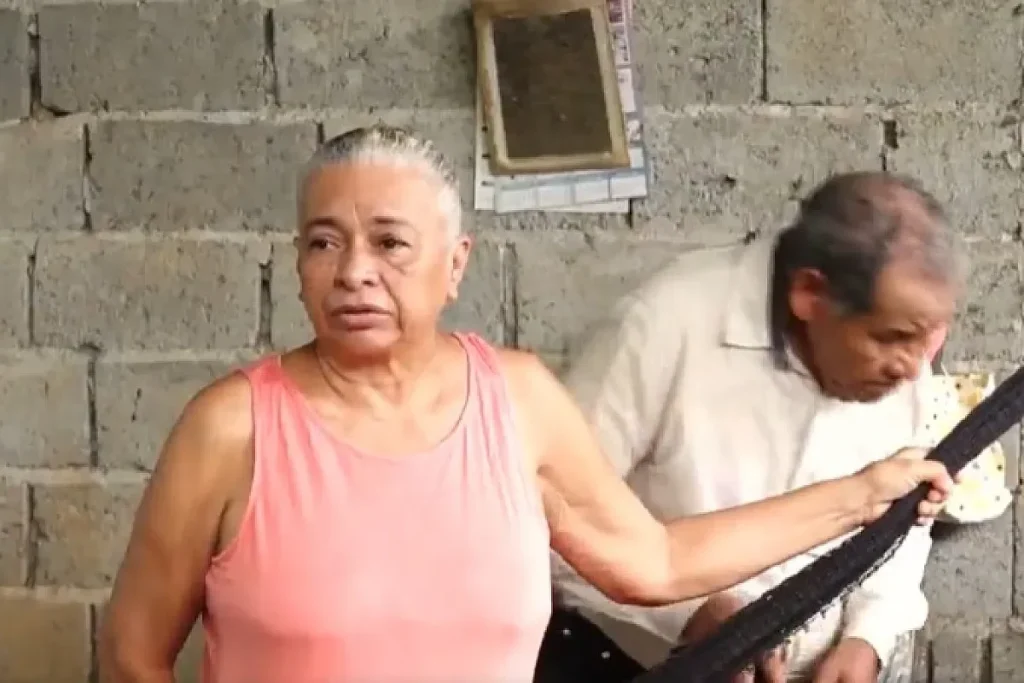
González Morán’s return does not close the chapter for all Panamanian families. Relatives of other Panamanians reportedly recruited into the Russia-Ukraine war have demanded answers and accountability, arguing that their loved ones were drawn into a conflict without proper safeguards. The government has been careful to frame each case as a consular priority, but the emotional toll on families remains high.
The Panamanian return from Russia in this instance offers a blueprint for future interventions, yet it also highlights the limits of diplomatic leverage. Getting a discharged soldier onto a commercial flight is one thing; extracting active combatants from an ongoing war is a far more complicated task. Panama’s Foreign Ministry has not disclosed how many other nationals may be in similar situations, though its coordination with Russian counterparts in this case suggests a narrow but functional channel of communication.
In recent years, small numbers of Latin Americans have been recruited by both sides of the conflict, often lured by promises of citizenship or financial gain. Panama’s experience mirrors that of countries like Cuba and Venezuela, whose citizens have also surfaced on battlefields. The diplomatic priority has been to separate propaganda from reality and secure safe passage for those who manage to break free.
A Glimmer of Normalcy After Months of Uncertainty
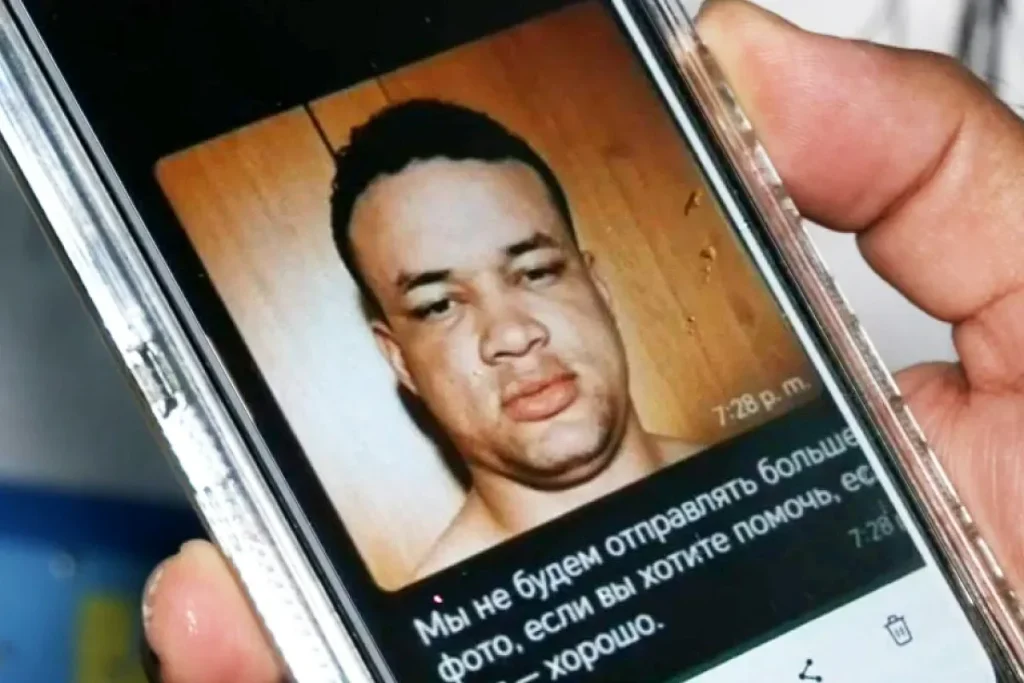
The arrival of Adrián González Morán on Panamanian soil will mark the end of a prolonged period of anxiety, but it also sets a precedent. By personally escorting a wounded national to the departure gate, Ambassador Ávila sent a signal that Panama will go to considerable lengths to retrieve its own. The use of personal funds for the ticket, while pragmatic, also raises questions about how the state plans to support future returnees who lack such resources.
Ultimately, the Panamanian return from Russia that unfolded through quiet diplomacy, a determined ambassador, and a citizen’s own resilience offers a rare piece of closure in a conflict that has scattered people across borders and front lines. As Panama awaits details of his condition and backs him with institutional support, the case will likely serve as a reference point for everything that can go right when a government makes consular protection a tangible priority, rather than just a bureaucratic promise.