


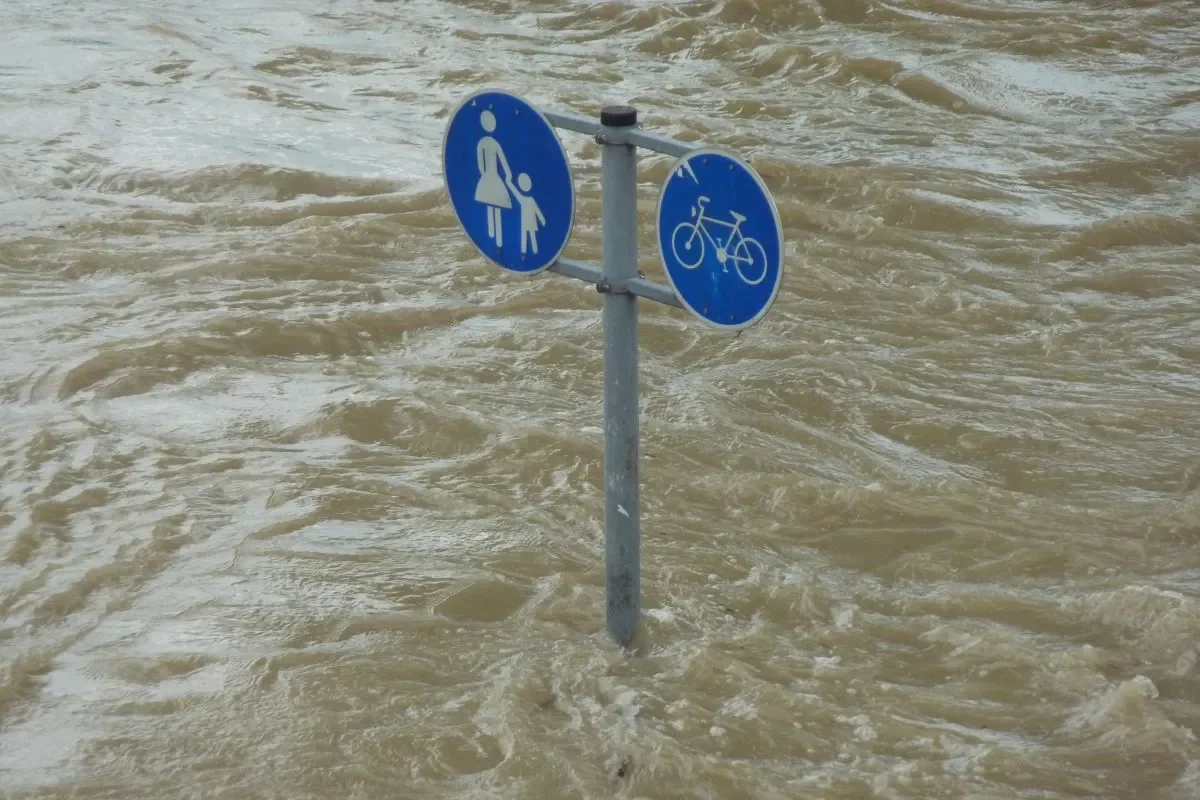
At least 15,643 people have already felt the brutal impact of flooding across Panama since January 2026, with more than 70 percent affected in the provinces of Bocas del Toro and Colón. That staggering figure now sits at the heart of a national emergency response as the government of President José Raúl Mulino deploys a Panama emergency trust designed to channel up to $80 million toward climate-relief efforts. The Cabinet approved the financial mechanism on August 25, 2026, and the resolution appeared in the Digital Official Gazette on September 2, laying out a framework for expedited contracting, fiscal oversight, and accountability across multiple government entities.
The emergency declaration responds to forecasts that El Niño conditions could intensify sharply over the coming months. Government officials point to projected rainfall deficits between October and December 2026, followed by another dry stretch from January through March 2027. Those shortages could ripple through the country’s water systems, energy grid, and agricultural heartland, prompting the Mulino administration to activate an exceptional contracting pathway that remains in force until June 30, 2027.
The Panama emergency trust also acknowledges a troubling pattern that has already emerged this year. Sinaproc, the national civil protection agency, documented thousands of flood victims months before the trust was approved. More than seven in ten of those affected live in Bocas del Toro and Colón, coastal areas where intense rainfall has overwhelmed drainage systems and damaged homes. The trust represents a financial tool intended to address both the immediate aftermath of those floods and the looming threat of severe drought conditions.

Emergency Trust Framework: Inside the Panama Response
The newly authorized Panama emergency trust places its resources in the Banco Nacional de Panamá, while the Ministry of Economy and Finance (MEF) assumes responsibility for administering and authorizing every disbursement. Budget availability for fiscal years 2026 and 2027 governs how much money flows into the trust, and the Cabinet retains authority to raise or lower the $80 million ceiling depending on how conditions evolve. That flexibility matters because the resolution doesn’t treat the figure as a spending target but rather as a maximum authorized limit.
Under the arrangement, ministries and public entities can tap the trust to hire contractors, purchase goods, and secure services tied directly to the climate emergency. Each request must demonstrate a clear justification and align with current market prices. A High-Level Interinstitutional Commission, created in May 2026 under Cabinet Resolution No. 45, evaluates every solicitation and sets the corresponding amount before any procurement moves forward. Entities also must check the government’s virtual store first, verifying that the needed goods or services aren’t already available through standard channels.
Comptroller Oversight and Fiscal Safeguards for the Emergency Trust
The exceptional contracting authority doesn’t bypass Panama’s fiscal control systems. Every payment derived from an authorized contract must first receive the refrendo, or endorsement, of the Comptroller General of the Republic. That requirement extends across all ministries and public entities participating in the emergency response. The resolution Also holds the legal representative of each institution personally responsible for any acts or omissions tied to the use of this special authority.
Once the emergency period concludes and all authorized obligations are settled, any remaining balance in the trust must be returned to the National Treasury. That provision reinforces the idea that the $80 million represents a ceiling rather than a guaranteed expenditure. The government’s design reflects a dual goal: moving quickly to address climate impacts while preserving the fiscal discipline that Comptroller oversight traditionally enforces.
Officials familiar with the resolution emphasized that the exceptional contracting mechanism doesn’t eliminate standard procurement safeguards. Instead, it compresses certain steps while maintaining the refrendo requirement and the Comptroller’s role as an independent fiscal watchdog. That balance aims to prevent the kind of misuse that can arise when emergency powers are exercised without adequate supervision.
El Niño, Climate Risks to Water, Energy, and the Panama Canal
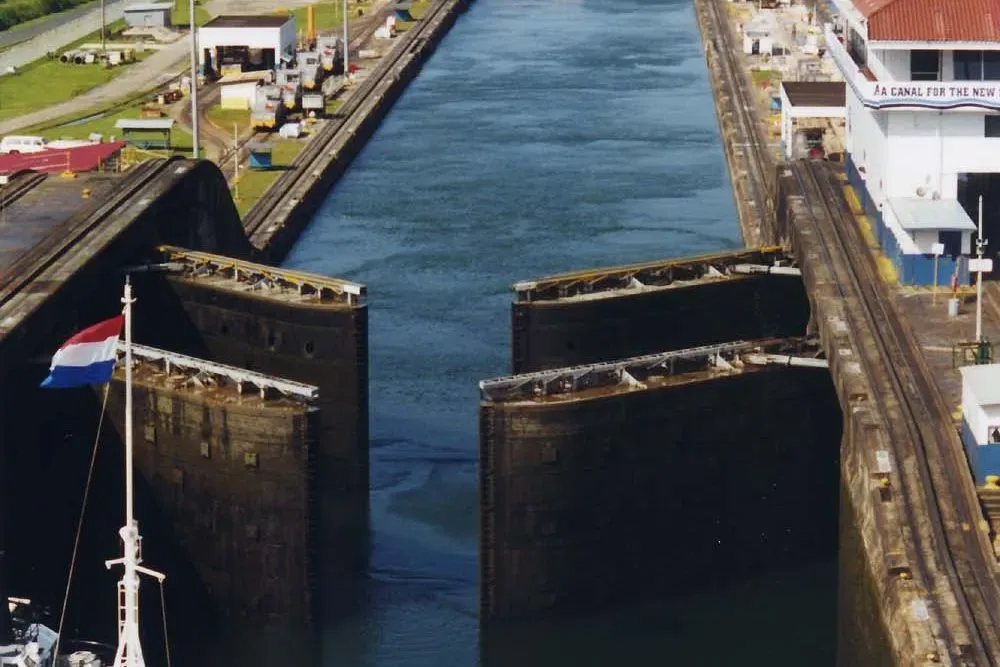
The emergency resolution identifies several specific threats tied to El Niño’s projected intensity. Lake and reservoir levels, including the Bayano system, face potential declines that could disrupt water availability for communities and agricultural operations. The Panama Canal, a cornerstone of global maritime trade and a major revenue source for the country, could also experience reduced water supplies needed for its lock operations. Those risks don’t stop at infrastructure, extending into hydroelectric generation capacity and the broader stability of national energy resources.
Agricultural producers stand on the front lines of the crisis. Extended dry periods can devastate crop yields, drive up food prices, and strain rural livelihoods already battered by earlier flooding events. The juxtaposition of floods in Bocas del Toro and Colón alongside projected drought conditions elsewhere underscores the complex nature of climate threats confronting Panama. Emergency contracting through the trust aims to give agencies the tools to respond quickly to whichever scenario unfolds first.
Transparency Requirements and Public Reporting
Institutions that utilize the exceptional procurement procedure must submit detailed reports to the Cabinet Council covering every acquisition. Those reports include the contractor’s name, the purpose of the expenditure, a description of the goods or services acquired, and the total contracted amount. The resolution then requires publication of that information through PanamaCompra, the country’s public procurement platform, as part of the government’s transparency framework.
The layered reporting structure signals an effort to balance speed with accountability. Emergency contracting often raises concerns about misuse, inflated prices, or favoritism, but the requirement for Comptroller endorsement, Cabinet-level reporting, and public disclosure through PanamaCompra creates multiple checkpoints. Legal representatives who fail to comply face direct responsibility under the resolution’s terms, a provision designed to discourage reckless spending even amid crisis conditions.
The government’s approach acknowledges that El Niño’s worst effects may not arrive until late 2026 or early 2027. By establishing the trust now and extending the contracting window through mid-2027, the administration positions itself to respond across multiple fiscal periods. Whether the full $80 million is deployed or a substantial portion returns to the Treasury, the mechanism provides a financial buffer against a climate threat that remains difficult to predict with precision.