


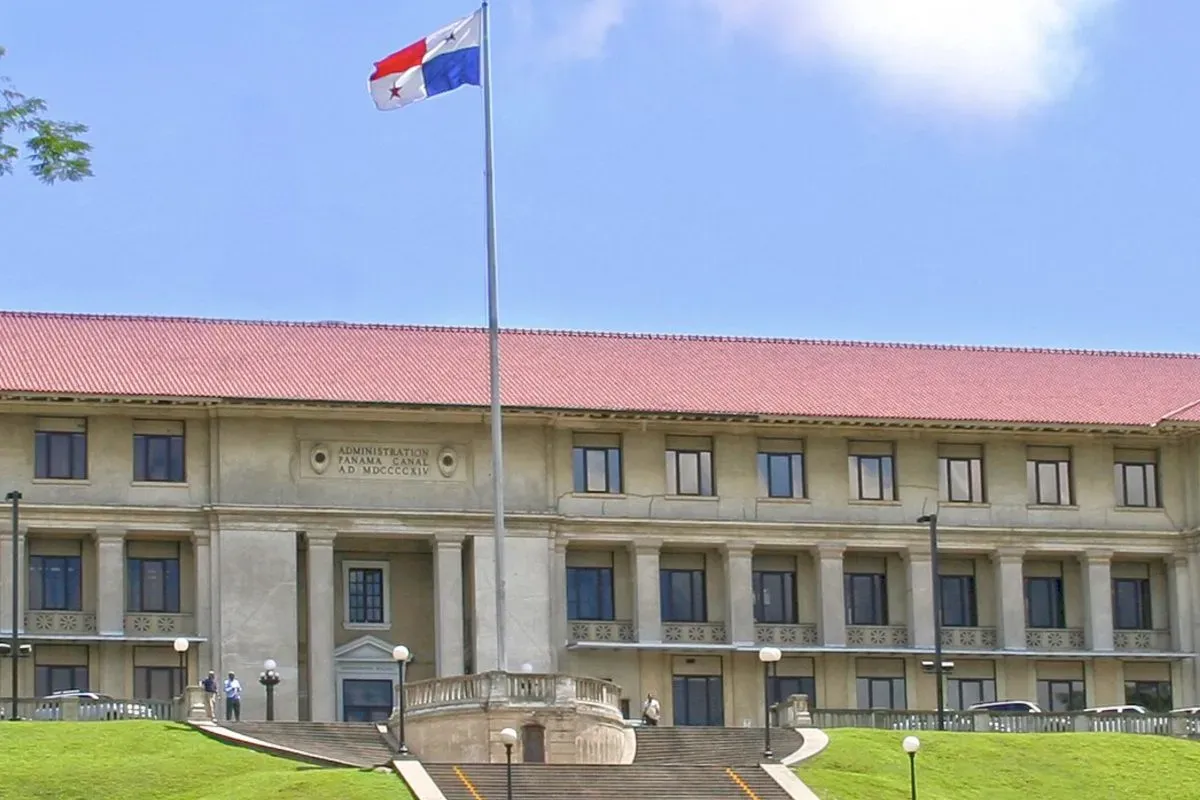
The possibility of the El Niño climate phenomenon consolidating in coming months and extending into early 2027 has increased dramatically. The United States National Oceanic and Atmospheric Administration Climate Prediction Center released this concerning forecast. Panama Canal officials are already implementing water conservation measures in response.
The agency maintains an El Niño watch and estimates an 82 percent probability that the phenomenon will develop between May and July 2026. The figure that most alarms specialists is the 96 percent probability that El Niño will continue through the northern hemisphere winter, spanning December 2026 through February 2027. [Translated from Spanish]
El Niño is a climate phenomenon linked to warming of the equatorial Pacific Ocean. In Panama, it typically causes reduced rainfall and drier than normal periods. The El Niño Southern Oscillation directly impacts weather patterns across the region. NOAA indicated that while equatorial Pacific Ocean conditions remain within neutral parameters, oceanic and atmospheric indicators now show signals consistent with El Niño formation. These include sustained increases in subsurface ocean temperatures for six consecutive months and warm anomalies observed across broad areas of the equatorial Pacific.
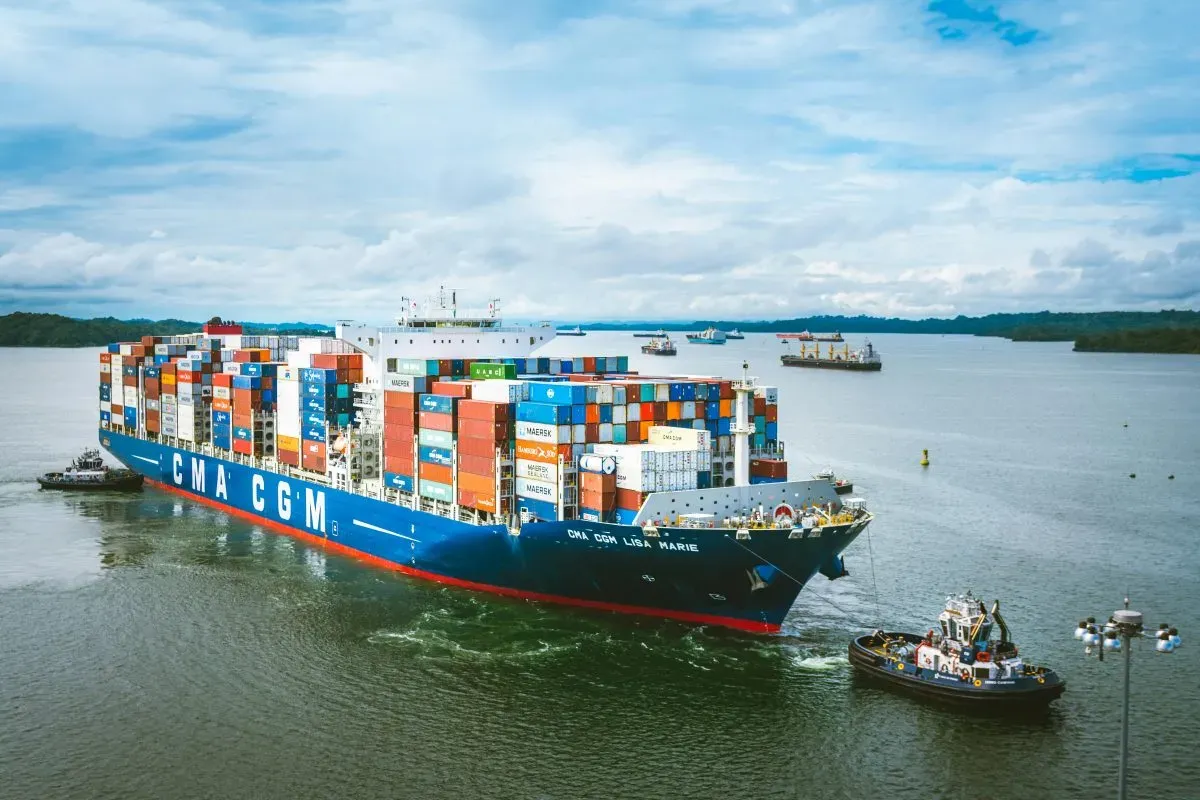
Panama Canal Monitors Rainfall Deficits Closely
For Panama, the phenomenon’s evolution is closely tracked by the Panama Canal Authority due to its potential impact on rainfall feeding Lakes Gatún and Alajuela. These lakes are the primary water reserves for population supply and ship transit. Ayax Murillo Burgos, Hydrology Manager for the Panama Canal, explained that the institution has already taken preventive measures against the threat of a new dry period associated with El Niño.
“The Panama Canal had its reserves full and immediately, knowing about this threat, began its water savings,” Murillo said during an interview. He noted that conservation measures started in December 2025, when reservoirs reached high levels thanks to a particularly wet season. [Translated from Spanish] According to Murillo, the signals observed this year coincide with international forecasts anticipating the phenomenon’s development. “We already feel that deficiency, but the advantage this year was that the dry season was relatively wet and the Canal kept both reservoirs full for several months,” he indicated. [Translated from Spanish]
“Every drop is valuable. While we have a water deficit associated with El Niño, every citizen can collaborate by saving water. It’s not about helping the Canal, it’s about helping the country.” [Translated from Spanish]
Canal records show that April closed with water contributions approximately 20 percent below the historical average. May showed a reduction close to 26 percent. The first days of June also reflect precipitation lower than normal. Facing this scenario, the Panama Canal Authority recently notified shipping companies of a reduction in the maximum authorized draft starting July 3, 2026 for Neopanamax vessels, from 50 feet to 49.5 feet. This preventive measure aims to protect water reserves.
Historical Comparisons and Water Management Strategies
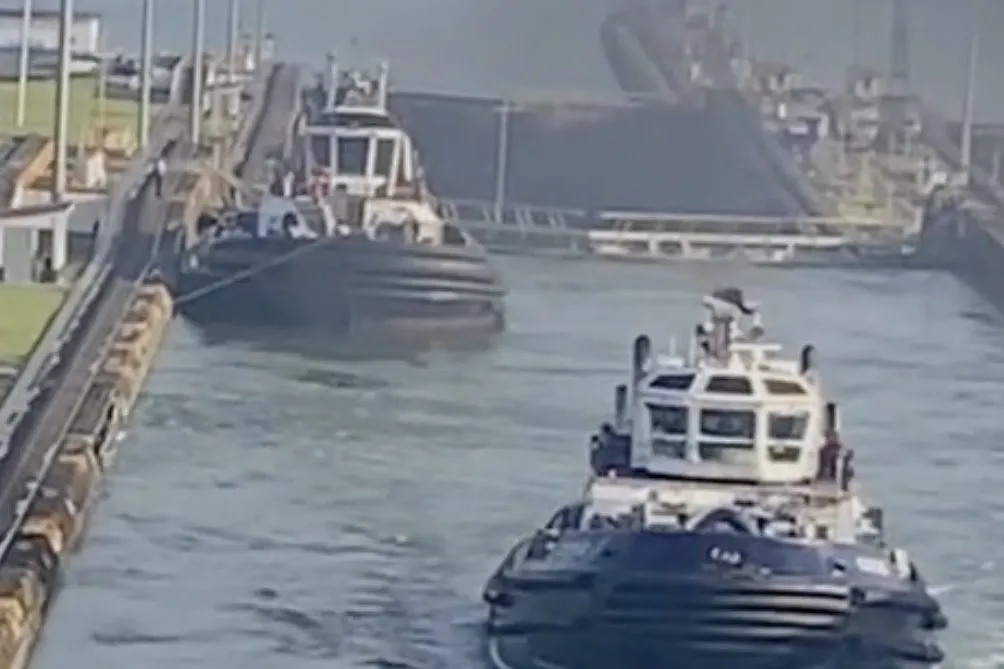
Murillo warned that the institution is already modeling scenarios similar to the most severe events in recent history. The most severe of all was the 1997-1998 El Niño. He added that if climate conditions evolve similarly to that episode, it will be necessary to reinforce water saving measures in the locks during the coming months. The Panama Canal water management system includes innovative technologies. The new locks have a basin system to recycle water, allowing 60 percent savings. The original locks can save up to 50 percent of water through cross-filling, a system that reuses water from one lock lane to fill the parallel lane.
Despite the elevated probabilities of the phenomenon occurring, NOAA clarified that uncertainty remains regarding El Niño’s intensity. None of the evaluated strength categories currently exceed 37 percent probability. It is not yet possible to determine whether this will be a weak, moderate, or strong event. Specialists note that an intense episode does not automatically guarantee severe impacts in all regions. However, it does increase the probability of alterations in normal rain and temperature patterns.
The Panama Canal watershed provides water for both canal operations and human consumption. Murillo stated that while the phenomenon’s evolution remains uncertain, water conservation will remain essential. The next update of the NOAA ENSO diagnostic is scheduled for June 11, 2026. That date will provide new data on the evolution of a phenomenon that is already beginning to influence Panama’s water planning.