


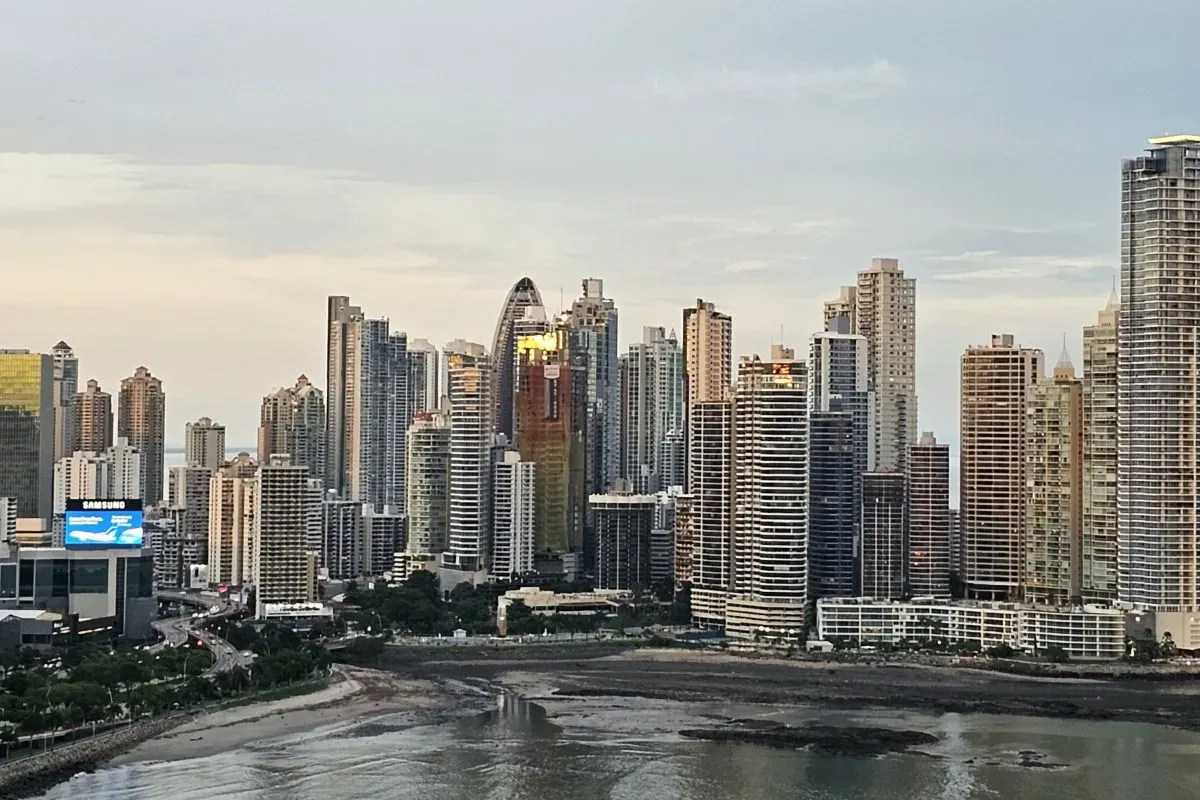
Roughly 5,000 properties across Panama operate under the country’s horizontal property framework, a legal regime that governs everything from high-rise residential towers to sprawling shopping complexes. A bill now moving through the National Assembly could reshape how Panama condo fees work for many of those properties, potentially upending a system that has long tied monthly payments to the size of each unit.
The measure, known as Anteproyecto de Ley 112 de 2026, cleared its first legislative hurdle this week when the Infrastructure and Canal Affairs Commission voted unanimously to advance it. Nine deputies cast votes in favor, with none opposed and no abstentions. The proposal now heads to the full legislature for first debate, carrying implications that reach far beyond the walls of the National Assembly.
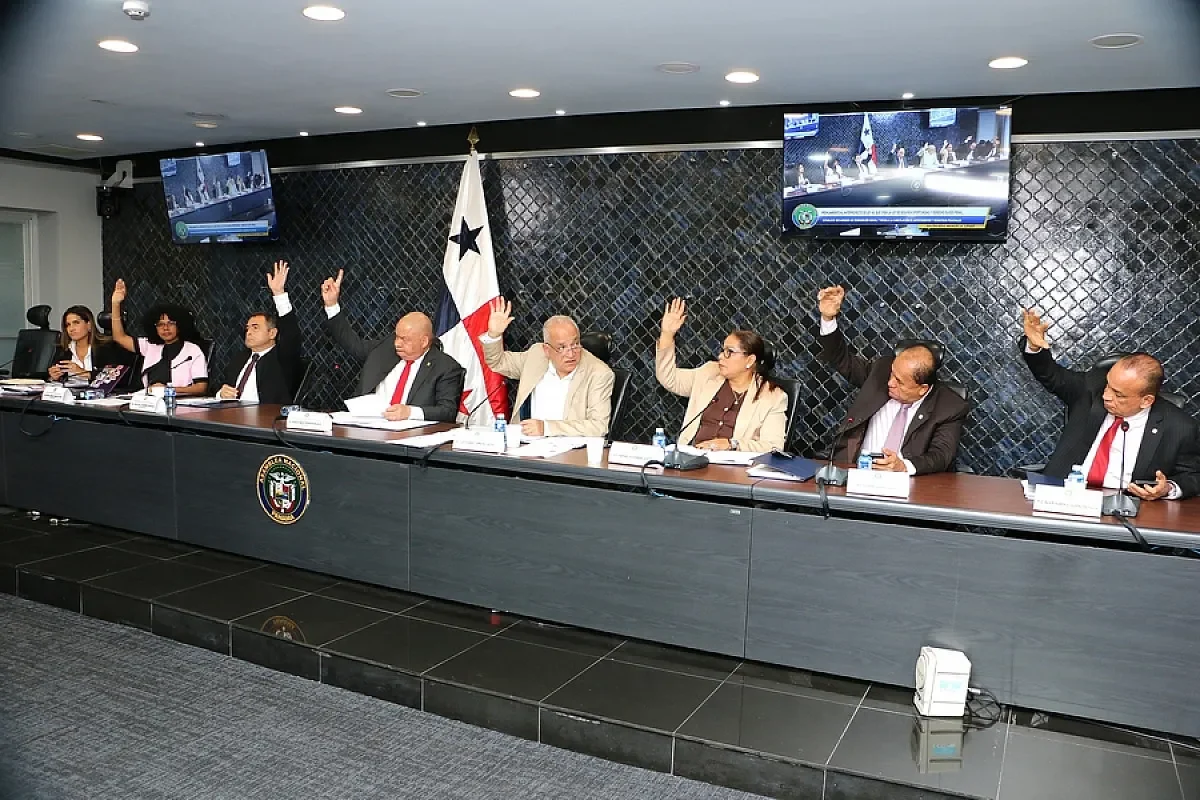
Sponsored by Deputy Ernesto Cedeño, the legislation would amend Law 284 of February 14, 2022, the statute currently governing Panama’s horizontal property regime. Three existing provisions would be modified, specifically numeral 19 of article 6, article 25, and article 68. The bill also creates three entirely new articles: 26-A, 26-B, and 67-A. If passed, property administrators would have six months to bring their internal regulations into compliance.
The Mechanics Behind Changing Panama Condo Fees
Under the current legal framework, common expense fees for building residents are calculated using the square footage of each unit. An owner with a 200-square-meter apartment pays roughly twice as much as the neighbor in a 100-square-meter unit for shared services like security, hallway cleaning, and elevator maintenance. That system has served as the default standard since the modern PH regime took shape.
The new proposal would scrap that formula for a significant list of ordinary common expenses. Administration, security, cleaning, gardens, recreational areas, swimming pools, elevators, gymnasiums, event halls, and social areas would all be split equally among every unit in the property. The bill explicitly bars using built area, unit value, or location within the project as distribution criteria when those factors lack a direct connection to the service being provided.

For expenses that can be objectively individualized, the measure still allows a different technical standard, provided it has proper justification and is approved according to the law. Cedeño calls his approach a principle of “contributive equity,” arguing that services like elevators and gardens benefit the entire community equally and should be paid for accordingly. During his presentation to the committee, he used surveillance, cleaning, elevators, pools, and gardens as examples of services that form part of the property’s general operation and benefit the community as a whole.
“It’s not about putting a price on the place where you live. It’s about determining how much it really costs to maintain the services you actually receive,” Cedeño said during the committee presentation. [Translated from Spanish]
The deputy also insisted that the proposal does not seek to make maintenance costs more expensive but rather aims to give owners a clearer picture of what they are paying for. That distinction matters for the thousands of Panamanians who budget for these monthly obligations.
New Oversight for Extraordinary Building Resources
Beyond the redistribution of regular fees, the legislation introduces two entirely new articles to the existing law, both focused on how properties handle money outside the standard monthly quota. The new Article 26-A groups extraordinary fees, fines, interest, and similar income under a unified concept of extraordinary resources, creating a framework for their management that does not currently exist in Law 284.
Article 26-B complements this by addressing how leftover funds, known as remanentes, should be treated when they remain unspent at the end of a fiscal period. The current law offers limited guidance on these surplus amounts, leaving property boards and administrators to improvise solutions that vary widely from building to building. The proposed framework would standardize those practices across the entire horizontal property sector.
The six-month adaptation window would touch thousands of buildings, residential communities, office towers, and commercial centers across the country. Official references place the number of registered horizontal properties above 5,000, though active estimates range between 4,000 and 5,000. The regime encompasses not just apartment buildings but also gated communities, shopping malls, and multi-use commercial developments, making the practical reach of this legislation unusually broad.
Legislative Process and Professional Pushback on Panama Condo Fees
The unanimous committee vote masks deeper questions emerging among professionals who manage these properties day to day. Priscilla Cooban, president of the Panamanian Association of PH Professionals, said the equal distribution concept requires more technical analysis before becoming law. Speaking about the proposal, she emphasized that unit size has long been part of how owners’ financial participation is established.
Cooban pointed to a scenario that illustrates the complexity. Imagine a horizontal property that includes a commercial unit spanning more than 1,000 square meters with dozens of employees and clients entering daily, sitting alongside a 30-square-meter residential unit. While both are co-owners of the common areas, she argued, the discussion must account for the fundamental differences between the units that make up the property. A simple headcount approach ignores how commercial activity generates wear and tear on elevators, lobbies, and shared amenities.
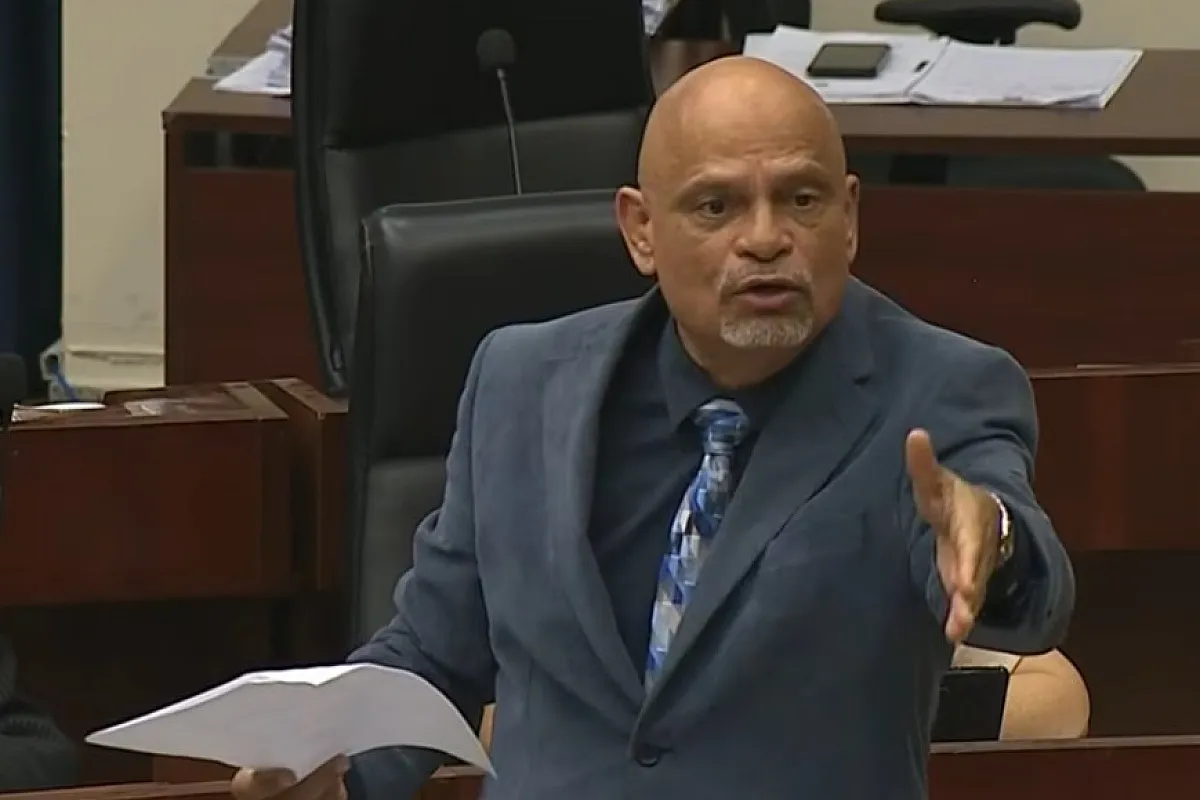
Deputy Manuel Cheng offered his own note of caution during the committee session. Though he supported advancing the bill, Cheng raised the issue of how the change would affect the participation coefficient embedded in each property’s public deed. That coefficient, recorded at the time of purchase, determines each owner’s share of common expenses and voting rights. Altering the fee structure could require reconciling the new rules with those foundational legal documents, a process that might prove complicated in older buildings where original deeds reflect outdated assumptions.
The current law provides an important flexibility that Cheng suggested should be preserved. Under existing provisions, a property can adopt a different fee distribution method if 66 percent of all units that are current on their financial obligations approve it. Cheng told colleagues the first debate should examine whether owners ought to keep that option of setting their own criteria through a qualified majority vote, rather than having a single distribution model imposed uniformly by statute.
What Equal Distribution Means for Panama’s Condo Market
For decades, square footage has served as the default metric for dividing building expenses in Panama’s rapidly expanding real estate market. The logic is intuitive: larger units consume more space within the building and often house more people, so they bear a proportionally larger share of the common costs. Moving to a strict equal split would shift financial burdens from larger to smaller units, a change that could ripple through property values and ownership decisions.
Supporters of the measure argue the current system penalizes owners for factors un
to how much they actually use shared amenities. A family of five in a modest two-bedroom apartment might use the pool, gym, and elevators more than a single professional in a sprawling penthouse. Equal splitting, they contend, better reflects real usage of common resources. The debate over Panama condo fees reflects broader questions about fairness in shared living arrangements that have gained urgency as the country’s urban centers continue to densify.
Critics respond that square footage captures more than just raw space. Larger units often generate higher water and electricity consumption in common areas, particularly in buildings with centralized systems. Commercial units bring foot traffic and infrastructure demands that residential owners ultimately help subsidize under an equal split model. The proposed change could create winners and losers within the same building, potentially fostering disputes among neighbors who must cooperate on everything from maintenance schedules to emergency repairs.
The legislative road ahead remains uncertain. The bill must pass first debate in the full National Assembly, then survive a second round before reaching the president’s desk. The six-month adaptation period would not begin until the law is officially published, giving property administrators time to redraft regulations and inform owners of their new obligations. That transition period will be critical for buildings with complex ownership structures or historical practices that differ significantly from the proposed equal distribution standard.
For the thousands of Panamanians who own property under the horizontal regime, the debate touches a deeply personal question: who should pay for the shared spaces that define community living? The answer emerging from the National Assembly could reshape that calculation for years to come, affecting not just monthly budgets but also the fundamental relationship between neighbors who share walls, hallways, and the costs of maintaining them.