


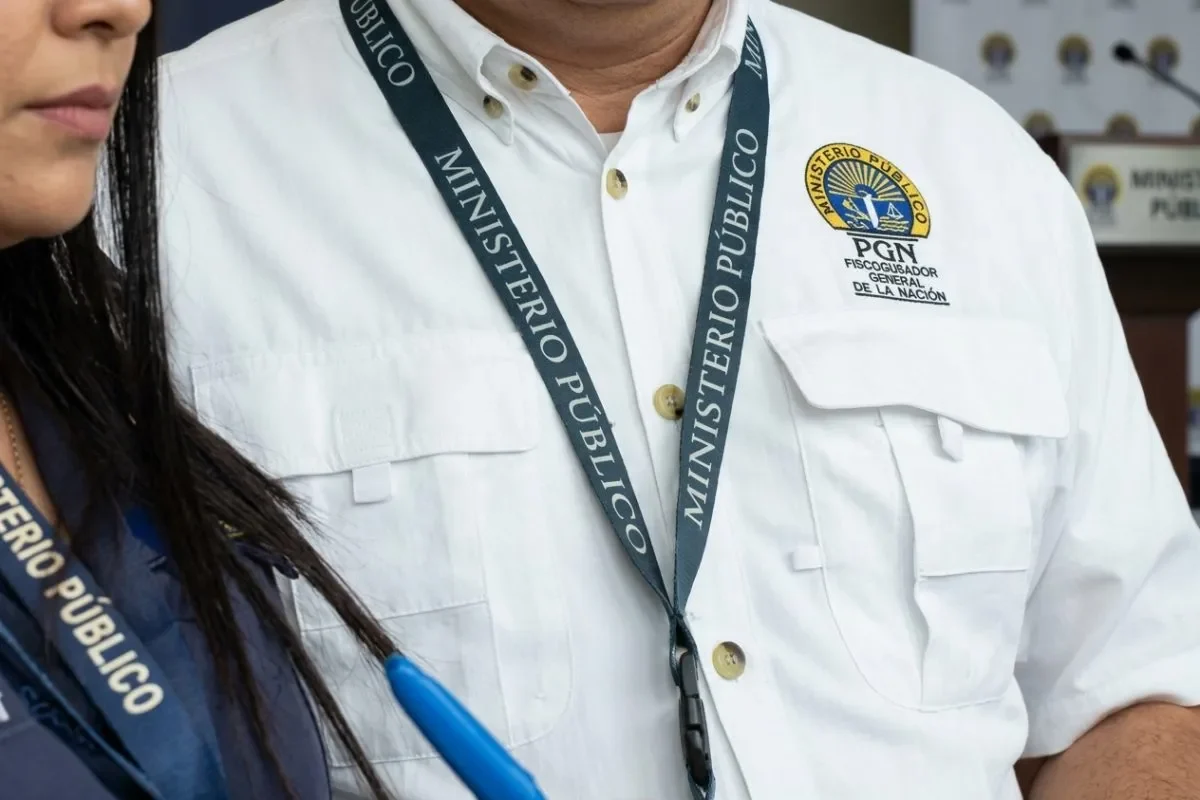
Coordinated raids across four Panamanian provinces have exposed an organized scheme that allegedly placed hundreds of educators in public classrooms using fake teacher diplomas. The Public Ministry operations in Darién, Chiriquí, Panamá and Panamá Oeste followed a Judicial Investigation Directorate probe that identified up to 400 active teachers who may have used forged credentials to secure government appointments and salary payments. The investigation has already produced charges against 23 teachers and Ministry of Education officials, with two additional arrests made separately.
Inside the Fake Teacher Diploma Operation
The scheme revolved around a small group of information technology staffers inside the Ministry of Education, known locally as Meduca. Prosecutors say Henry Jiménez, Tenaura Mejía and Henry Julio manipulated the ministry’s computer systems to enter false academic records for teachers who had supposedly studied at the University of Cartago, a Panamanian institution that shut its doors in 2014. That detail mattered because the closed university could not verify whether the credentials were genuine.
A teacher named Antonia De La Rosa allegedly served as the operation’s recruiter and broker. According to the prosecution, she approached educators who wanted to enter the Meduca system and offered to arrange diplomas that would boost their standing in the competitive selection process for teaching positions. Two educators have already testified that De La Rosa handled these arrangements for them, and their statements form part of the evidentiary record presented during the recent court hearing.
The price for a fraudulent diploma averaged around $4,000, prosecutors said. De La Rosa didn’t just take cash from teachers, she also maintained a relationship with a local finance company where prospective clients could apply for loans to cover the cost. During an inspection of that finance company, investigators determined that De La Rosa acted as a client recruiter and received a commission for each new borrower she brought in. That arrangement, prosecutors argued, demonstrates the scheme’s sophistication and its reach beyond the education sector.
Fake Teacher Diplomas Cost the State $767,687
The financial damage attributed to the fake teacher diplomas scheme totals at least $767,687, according to the prosecution. That figure represents salary payments made to educators who secured positions using falsified academic credentials. The Ministry of Education continued paying these teachers on a biweekly basis, unaware that their qualifications had been fabricated and inserted into the hiring system without authorization.
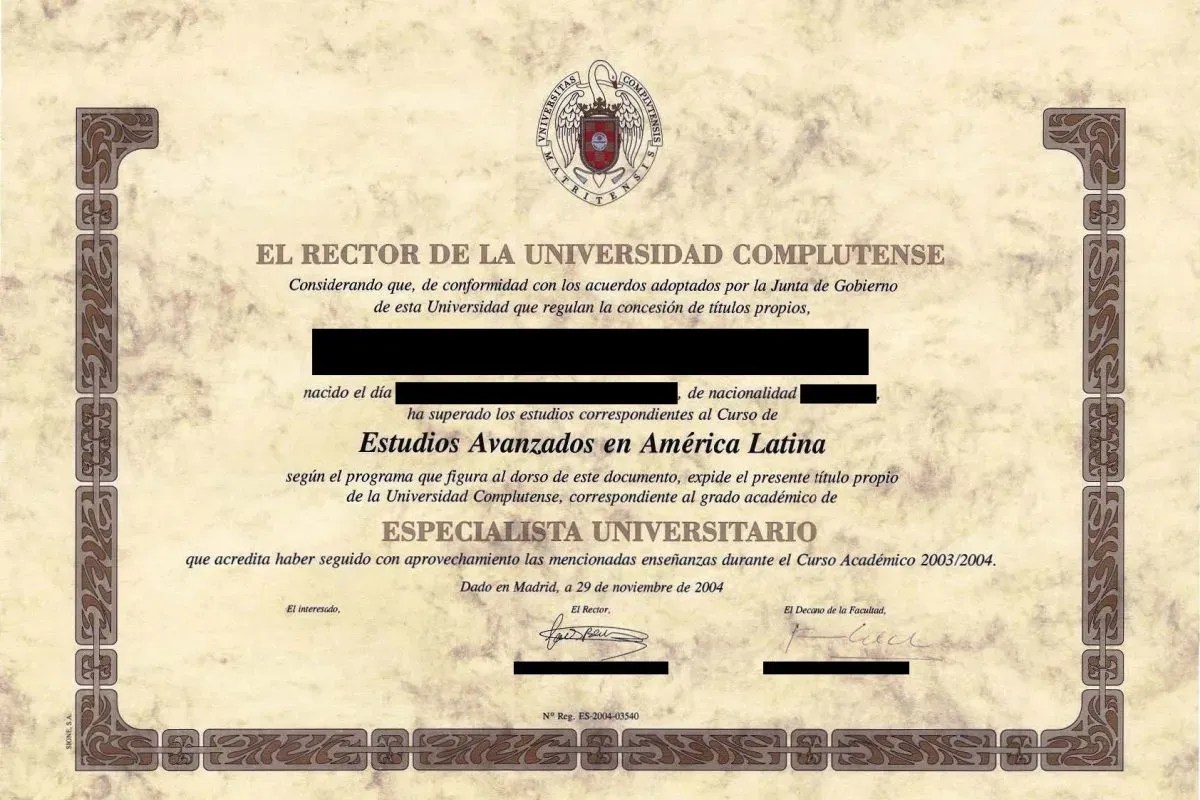
Specialized prosecutor Elizabeth Carrión, who leads the Organized Crime unit handling the case, said the DIJ report that documented the 400 potentially affected teachers was compiled using information supplied by Meduca and the Public Ministry. Carrión presented that report during the initial hearing where charges were formally read against the 23 defendants. The charges include money laundering, organized crime, corruption of public officials, document falsification and the illegal practice of the teaching profession.
Investigators also traced roughly $70,000 in one defendant’s bank accounts that they believe came from the illicit activity. That finding, combined with the finance company connection and the volume of teachers allegedly involved, helped prosecutors build their organized crime case. The money laundering charge reflects the prosecution’s theory that proceeds from the diploma scheme were moved through legitimate financial channels.
Legal Proceedings and Defense Objections
Judge Irene Cedeño legalized the arrests of 22 of the 23 defendants during the initial hearing, excluding one individual because the judge determined that person had not signed the apprehension and raid order executed at their residence. The hearing stretched from 9 a.m. Friday until late evening, when the judge called a recess and scheduled a continuation for Saturday at 10 a.m.
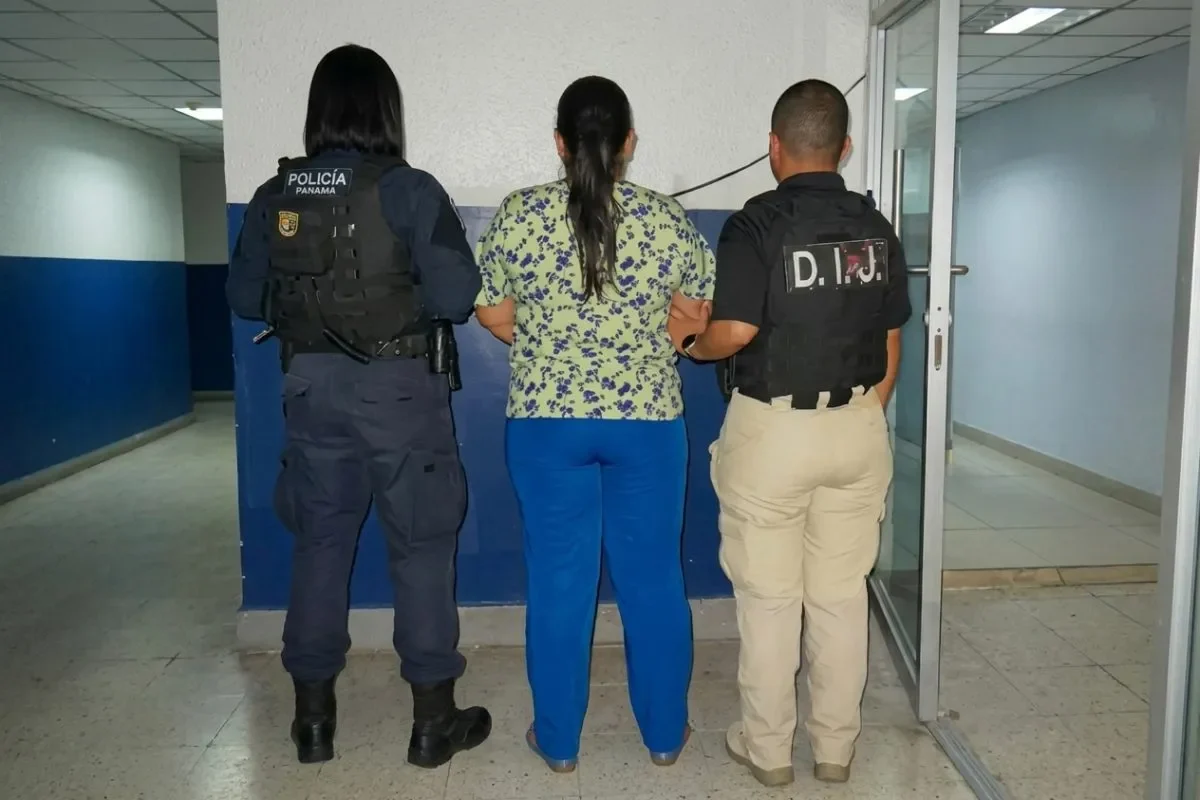
Defense lawyers raised several objections during the proceedings. They argued that prosecutors denied them access to the case files, which they said violated due process and the right to a defense. They also characterized the arrests as excessive, contending that all defendants could have been summoned to appear voluntarily without restricting their freedom. In some cases, defense attorneys claimed, teachers were called to regional Meduca offices under the pretext of completing human resources paperwork, only to be arrested once they arrived.
Two additional teachers were apprehended Thursday but could not be joined to the main hearing because the apprehension legalization phase had already closed and the court had moved into the charging phase. Those two individuals appeared before a separate judge of guarantees the following day. The staggered arrests suggest the investigation remains active and additional arrests could follow.
What the Fake Teacher Diplomas Scandal Means for Panama’s Schools
The discovery that up to 400 currently employed educators may hold fraudulent credentials raises profound questions about the integrity of Panama’s teacher selection process and the quality of instruction in affected classrooms. The University of Cartago closed in 2014, yet teachers allegedly continued citing degrees from that institution years later, a red flag that apparently went undetected until the Organized Crime Division began its investigation.
The scheme exploited a vulnerability in the ministry’s digital records system. By having IT personnel directly input false academic data, the alleged conspirators bypassed the normal verification steps that would typically catch forged university degrees. That internal compromise makes the fraud particularly difficult to detect through standard audits, since the manipulated records appeared legitimate within the system itself.
As prosecutors continue presenting their case and additional hearings unfold, the scandal has already forced education officials to confront uncomfortable realities about oversight gaps within the hiring pipeline. The involvement of finance companies and loan arrangements also demonstrates how corruption schemes can expand beyond government offices into private sector partnerships that sustain the illegal activity over time.
Ultimately, the case represents one of the largest credential fraud investigations in Panama’s education sector in recent years. The number of teachers potentially involved, the systematic nature of the alleged conspiracy and the direct financial impact on public funds have elevated the matter beyond a simple forgery case. The courts now face the challenge of processing more than two dozen defendants while investigators continue examining whether the network extended beyond the individuals already identified. Parents and education advocates, meanwhile, are left wondering how many classrooms have been staffed by teachers whose qualifications existed only in manipulated databases.