


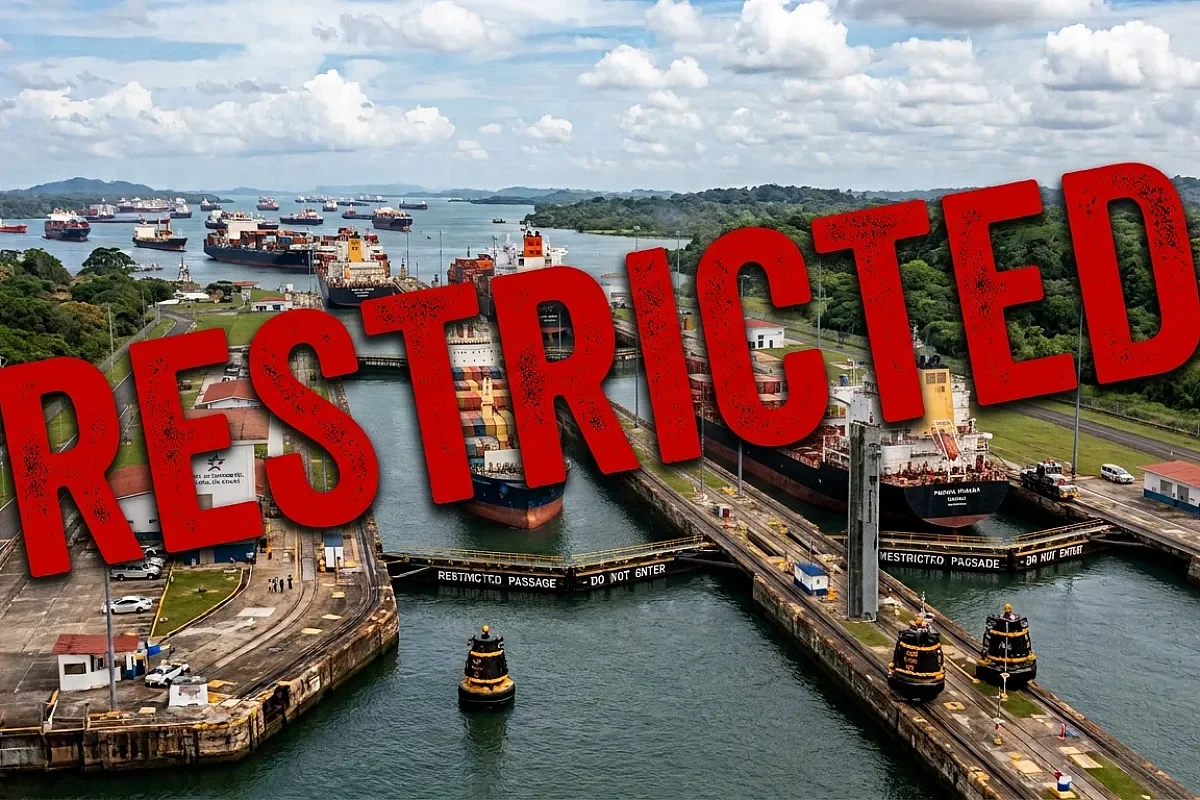
The cost of moving a ship through the Panama Canal without a reservation has exploded past $5 million, a staggering jump from the $55,000 average recorded at the start of the year. That eye-popping figure, more than 90 times higher than January’s typical price, underscores how quickly conditions have deteriorated at the vital waterway, where the first Panama Canal restrictions of 2026 take effect this Friday, September 4.
Transits will drop from a daily average of 36 to 34 vessels as authorities scramble to conserve freshwater supplies in two artificial lakes that are running critically low. A second cut on September 15 will bring the number down to just 32 daily crossings, a level not seen since the aftermath of the 2023 crisis.
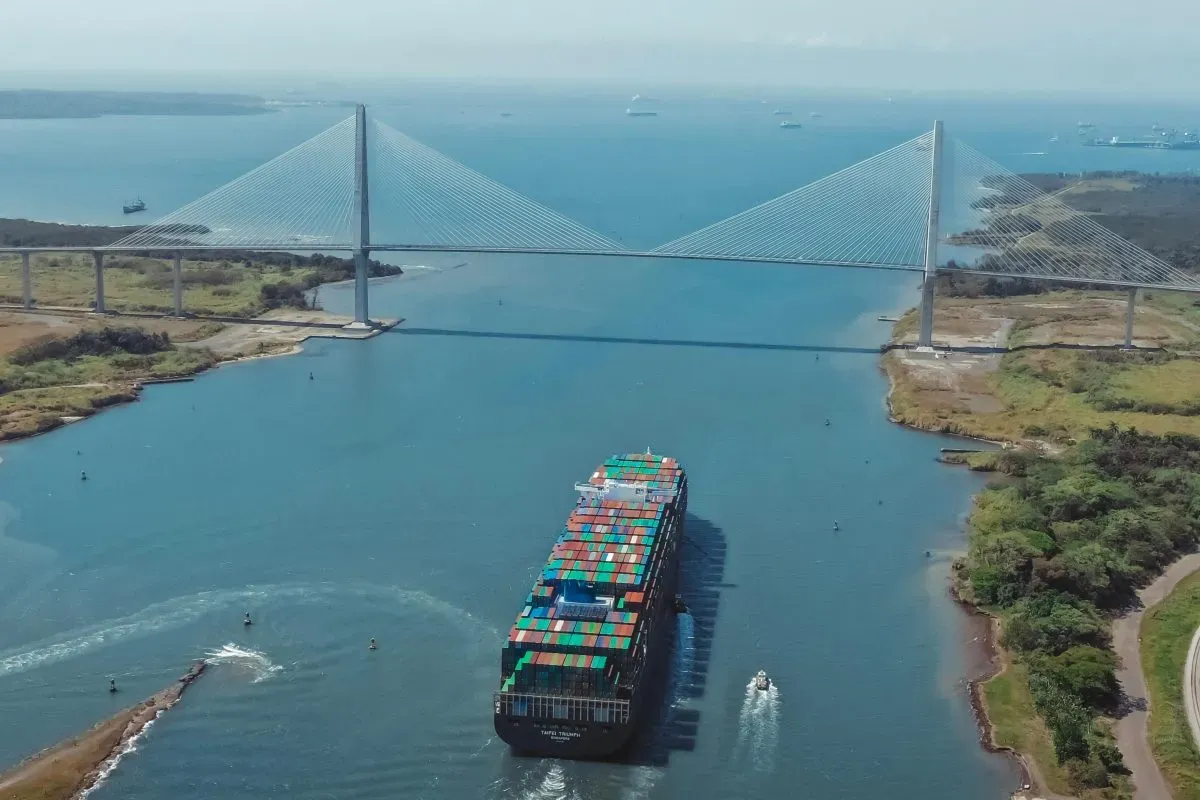
Panama Canal Restrictions and the New Transit Limits
The reduction schedule affects both the expanded neopanamax locks and the century-old panamax system. Starting Friday, neopanamax slots drop from roughly 10 to 9 per day, while panamax slots fall from 26 to 25. When the second cut hits on September 15, panamax slots will shrink further to 23 per day, bringing the combined total to 32 transits.
Officials confirmed Thursday that 99 vessels were waiting to cross between the Atlantic and Pacific oceans, with 94 holding reservations. Of those, 26 were neopanamax ships using the expansion that has operated since June 2016. Five additional ships sat in the queue without reservations, three of them neopanamax class.
The constraints extend beyond transit numbers. A draft limit of 48 feet, or 14.63 meters, came into force on September 2, marking the second of five planned reductions in the submerged depth of vessels. By October 1, the maximum draft will tighten to 47.5 feet, or 14.48 meters. Canal administrator-designate Ilya Espino de Marotta has warned the figure could reach 44 feet by Panama’s summer months, a significant drop from the operational maximum of 50 feet.
Lakes Under Pressure and a Population at Risk
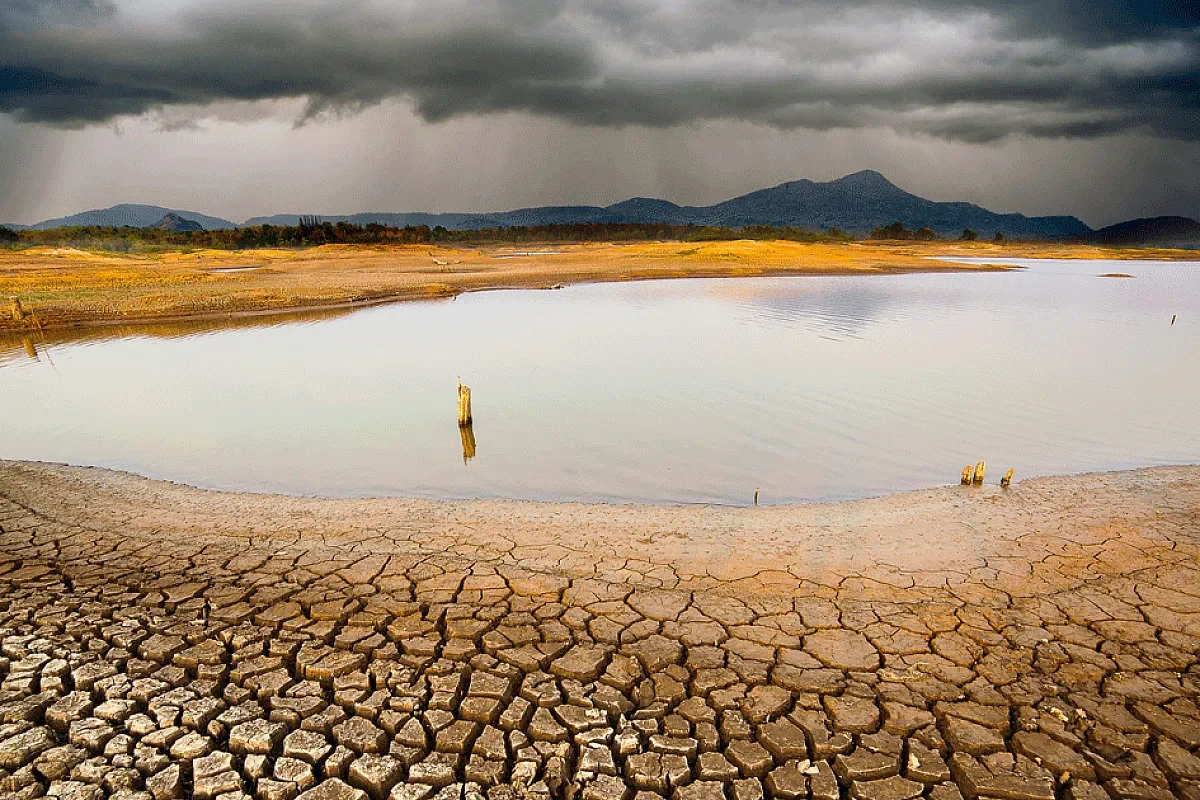
The freshwater that powers the canal’s lock system comes from two artificial lakes, Gatún, built in 1913, and Alhajuela, completed in 1935. Between May and August, the canal’s watershed recorded a 34 percent rainfall deficit compared with normal levels, according to official data. That shortfall is directly tied to El Niño conditions that have disrupted weather patterns across the region.
Those same lakes supply drinking water to roughly half of Panama’s four million residents. The state-run water utility has acknowledged that up to 50 percent of the resource disappears through leaks and system failures, compounding the strain on an already stressed supply. This dual demand, industrial and residential, makes every drop of rain that doesn’t fall a shared liability.
These Panama Canal restrictions mark the first major transit limits since the 2023 water crisis, when daily crossings plummeted to just 22 at the height of that El Niño episode. The current drought cycle appears to be following a similar pattern, with the canal administration warning conditions could worsen if a strong El Niño persists into Panama’s dry season between January and April.

Global Trade Routes and the Auction Price Shock
The Panama Canal handles between 3 and 5 percent of global maritime commerce, making it one of the world’s most important commercial arteries. Its primary corridors include routes linking the U.S. East Coast with Asia, the U.S. East Coast with South America’s Pacific coast, and Europe with South America’s western seaboard.
Analysts say the crisis in the Strait of Hormuz has driven energy carriers to redirect toward the Americas-Asia corridor. Vessels transporting liquefied petroleum gas and liquefied natural gas now favor the Panama route to guarantee timely deliveries, pushing auction prices to unprecedented levels. The auction mechanism serves ships arriving without a reservation, and the bidding war reflects how desperate some operators have become to secure passage through the narrowing waterway.
Since August 30, the canal has also implemented a temporary modification to its reservation system, designed to give shippers more flexibility in accessing daily slots. That adjustment attempts to ease some of the congestion pressure that’s built up as the restrictions approach.
Preparing the Panama Canal for a Dry Season Under El Niño
Administrator-designate Espino de Marotta has been transparent about the canal’s projections for the coming months. The expectation that the water situation could deteriorate further has prompted the phased approach now unfolding, with each reduction calibrated to stretch freshwater reserves as far as possible.
The water management challenge sits at the intersection of climate pressure, infrastructure limitations, and growing demand from global shipping. With El Niño conditions potentially extending into Panama’s summer, the waterway faces months of careful rationing that will test the resilience of supply chains worldwide.
Ultimately, the restrictions represent a balancing act between keeping global trade moving and protecting the lakes that make the entire operation possible. The $5 million auction bids tell the story of how much is at stake for shippers, while the rainfall