


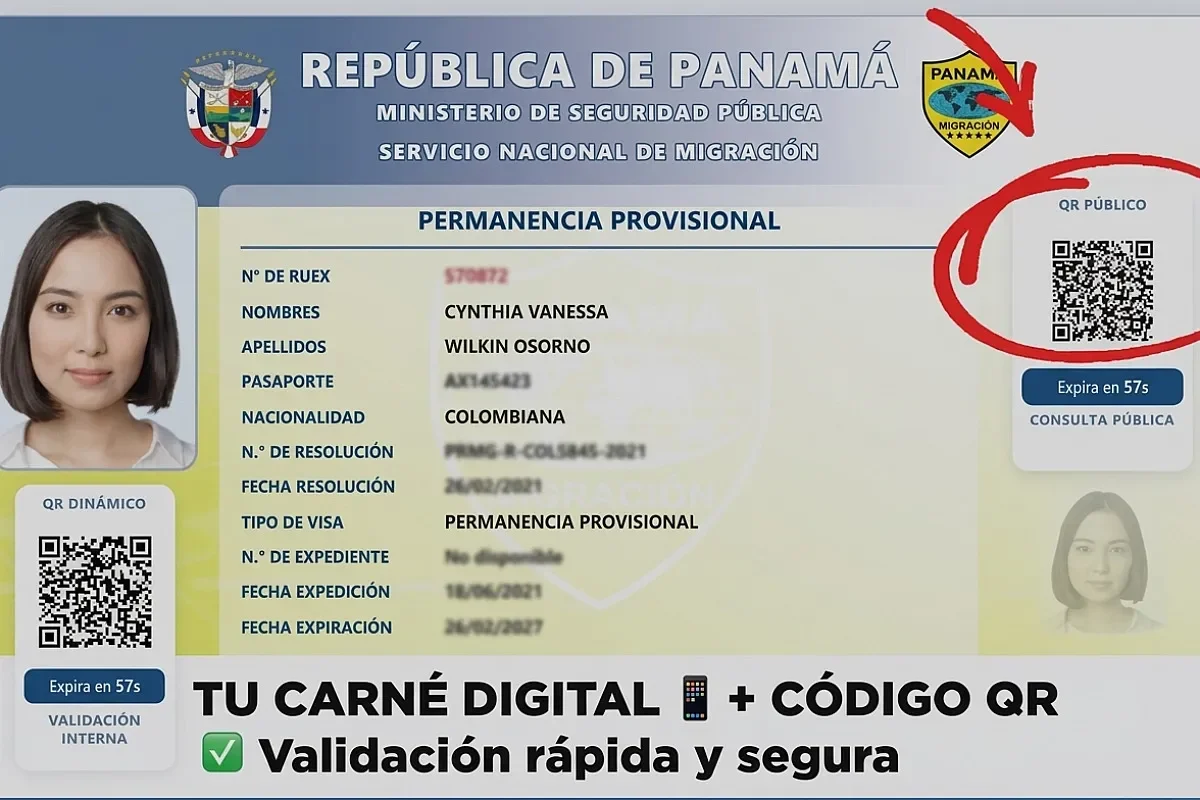
Panama’s foreign residents and immigration attorneys can now pull up a key identification document from a smartphone or laptop without waiting for a physical card of the residency ID. The National Migration Service has introduced a digital migration card through its official web platform, allowing users to view and verify their migratory status online. This move adds a QR code-backed validation feature that immigration officers and other authorities can scan for quick confirmation.
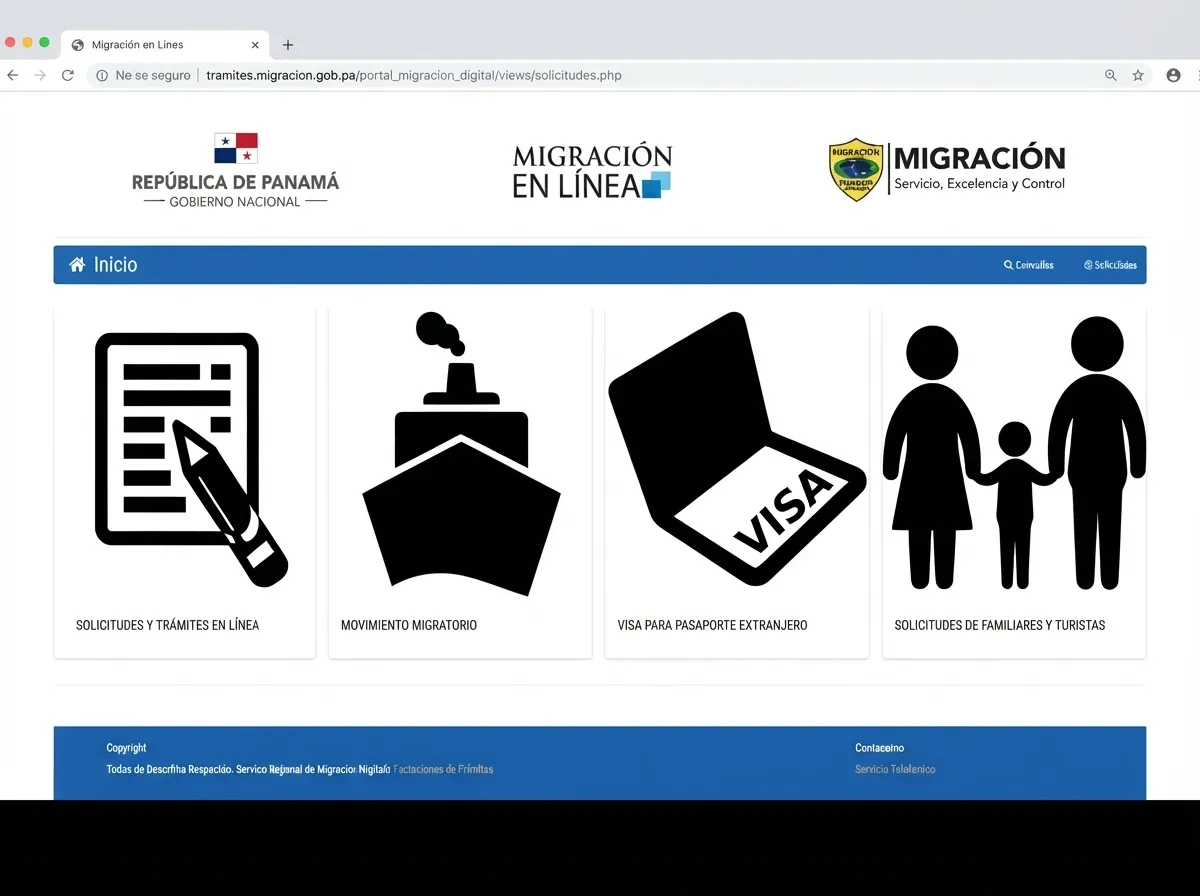
How the Digital Migration Residency ID Card Works
The tool sits within the “Migration Online” module on the right side of the agency’s homepage at migracion.gob.pa. After entering the system, users navigate to the applications section and select either “Digital Card” or “Migration Card.” The digital migration card displays the holder’s current immigration status and includes a QR code for real-time verification. Both direct applicants and their legal representatives can use the service, according to the agency.
“The procedure is available for applicants and legal representatives, who can consult the document virtually through rapid validation supported by a QR code.” [Translated from Spanish]
Officials said the platform upgrade forms part of a broader process of digital transformation aimed at speeding up procedures and offering more security to users. The system works on both mobile devices and desktop computers, making it easier for people to access their information from anywhere with an internet connection.
Account Registration and Profile Selection
First-time users need to create an account before they can view the digital migration card. The registration process asks individuals to choose a profile, either as an applicant or a lawyer, then complete their personal data and set a secure password. After submitting the form, the system sends a confirmation email to activate the account. Existing users with active accounts can skip this step and go directly to the applications section.
Unlike many immigration procedures that carry processing fees, the agency emphasized that this update and registration process costs nothing. That point matters for foreign residents who already pay multiple fees for visas, work permits, and renewals. Legal representatives handling multiple clients can also use the same platform to check documents on their behalf, reducing the need for repeated office visits.

Security Limits and Biometric Requirements
The system deliberately blocks direct downloads of the digital migration card onto personal devices. Security reasons drive that restriction, officials explained. Each time a user needs to show the card, they must log in to the platform again. That means the document stays tied to the live system rather than becoming a static file that could be altered or shared improperly.
Some users may see an alert requesting a biometric registration. In those cases, the person must appear in person at the agency’s main headquarters to complete the process. Only after that step can the system enable the electronic card display. The requirement reflects a layered approach, combining online convenience with in-person identity verification when necessary.
Panama’s Push Toward Digital Government
The launch of the digital migration card aligns with a regional trend across Latin America. Countries like Chile, Colombia, and Uruguay have rolled out digital identity systems in recent years, and Panama’s immigration agency is now adding to that momentum. The pandemic accelerated demand for remote services, pushing many government offices to move routine procedures online.
For Panama, the digital migration card reduces friction for a foreign resident population that includes workers, retirees, investors, and students. Instead of carrying a physical card at all times, users can show an updated digital version through a secure login. Authorities get a faster verification tool, while users avoid the risk of losing a paper document. that the system does not allow downloads may feel inconvenient to some, but it also protects the document from fraud and unauthorized copying.
The National Migration Service has not said whether the digital version will eventually replace the physical card entirely. But the current rollout suggests a future where more immigration formalities move online. Foreign residents and their lawyers should watch for additional updates as the agency expands its digital offerings. In summary, this step modernizes a key part of Panama’s immigration system and gives users a practical, secure way to manage their migratory status.