



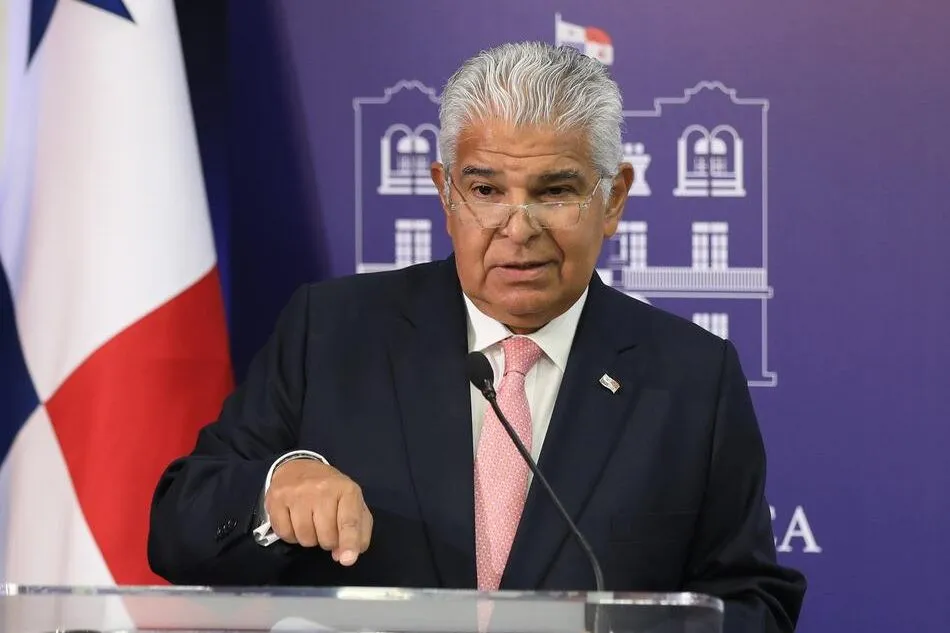
Young Panamanians looking for a first break in the labor market can now earn while they learn under a new national program. President José Raúl Mulino presided over the official launch event where the first participants signed internship agreements with private companies, turning Panama youth internships into a working reality. The initiative, created by Law 513 of March 20, 2026, provides monthly compensation, private health coverage, and hands-on exposure to the country’s productive sector for people aged 18 to 25.
Panama Youth Internships Move From Paper to Workplace
The signing ceremony marked the first concrete step for a policy designed to reduce the experience gap that often blocks young applicants from formal jobs. Instead of relying on government subsidies, the framework pushes private companies to open their doors and absorb emerging talent. Aurelio Barría Pino, president of the Chamber of Commerce, Industries and Agriculture of Panama, joined the event alongside government officials, signaling private sector buy-in.
Law 513 sets clear boundaries for who qualifies. The program focuses exclusively on youth between 18 and 25 years old who want to understand how private industry operates, strengthen their competencies, and build a professional track record. Organizers framed the effort as a bridge between formal education and employment, a stretch of time when many promising workers stall because they lack references or practical experience.

Monthly Pay and Private Insurance Covered by Companies
Participants will receive B/.450 each month for the duration of their internships. Private insurance is also included, covering health risks during the training period. What makes this different from many public employment schemes, according to officials, is the funding model. Companies bear the full cost of both the stipend and the insurance policy, meaning the program does not draw on state funds.
The payment structure gives businesses a direct stake in the quality of the internship. Employers who invest in trainees, rather than hosting unpaid observers, are more likely to assign meaningful tasks and supervise their development. At the same time, young interns receive income that can cover basic transportation, food, or personal expenses while they learn. Government representatives stressed that the arrangement creates shared responsibility without expanding public spending.

Digital Platform Connects Interns With Private Employers
As part of the launch, authorities presented an online registration platform that will serve as the central meeting point for applicants and companies. The tool allows young people to register their interest and lets businesses list available internship positions. It also helps officials monitor whether participants are placed under appropriate conditions and whether companies comply with the law’s requirements.
The platform’s design aims to simplify a process that can otherwise discourage smaller firms from getting involved. A streamlined digital route reduces paperwork and gives the Ministry of Labor and Development, known locally as MITRADEL, better visibility over placements. Jackeline Muñoz, the minister of labor, attended the event and emphasized that oversight will remain a priority as placements expand.
For employers, the registration system offers a straightforward way to identify candidates who meet age and interest requirements. The Chamber of Commerce’s presence at the launch reflected a wider recognition that the private sector must help develop its own future workforce rather than waiting for fully experienced applicants to appear.
MITRADEL Oversight and Panama’s Future Workforce
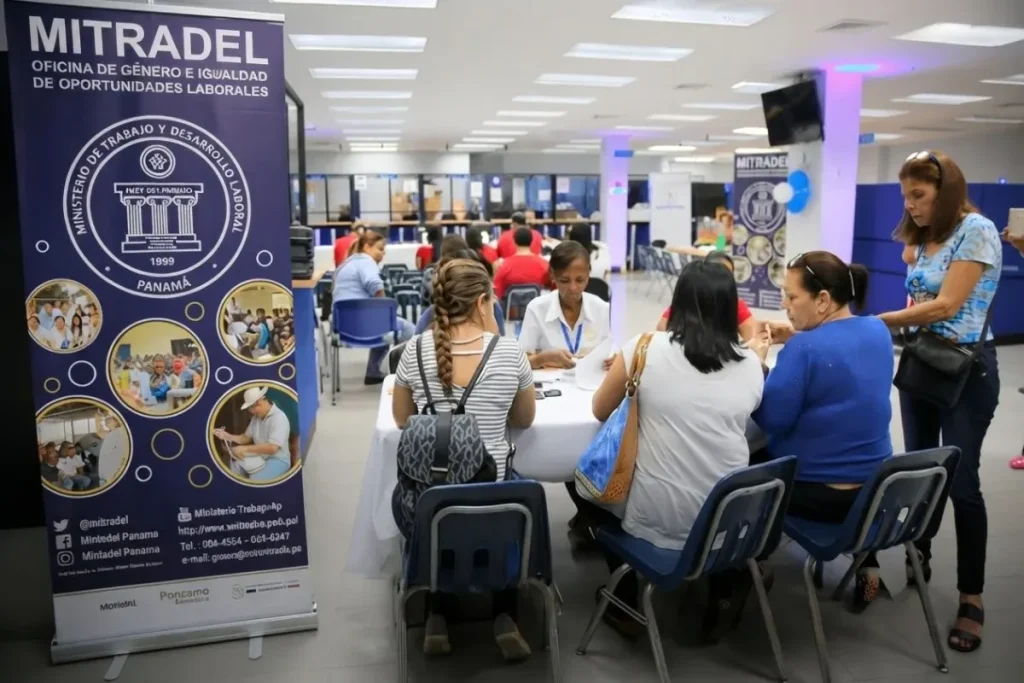
MITRADEL holds the main enforcement duty under the new framework. The ministry will track each internship to ensure that companies provide the promised payment, insurance coverage, and a genuine learning environment. Its role includes following up on agreements and addressing cases where businesses fail to meet the standards set out in Law 513.
The broader labor context raises the stakes. Government officials have pointed to a coming demand for as many as 3,000 new workers at the Panama Canal over the next decade. That projection, combined with normal turnover in banking, logistics, agriculture, and commerce, means the country needs a steady pipeline of prepared young workers. Structured work-based learning can help fill that pipeline by giving young Panamanians an early look at high-demand industries.
For many participants, the first internship could lead to a permanent contract or at least a stronger resume. For companies, the program offers a low-risk way to evaluate potential hires before making long-term commitments. The government’s stated goal is not just job placement, but talent formation. A generation of workers with practical skills, workplace discipline, and industry contacts could shift the country’s labor outlook in the coming years.
In summary, the activation of Law 513 turns a legislative commitment into an operational system that combines paid experience, private insurance, and public oversight. By placing the financial burden on participating companies and giving MITRADEL a clear monitoring role, the program attempts to create a sustainable internship culture rather than a temporary campaign. The success of Panama youth internships will depend on consistent participation from employers and the government’s willingness to enforce standards as the first wave of interns enters the workforce.