


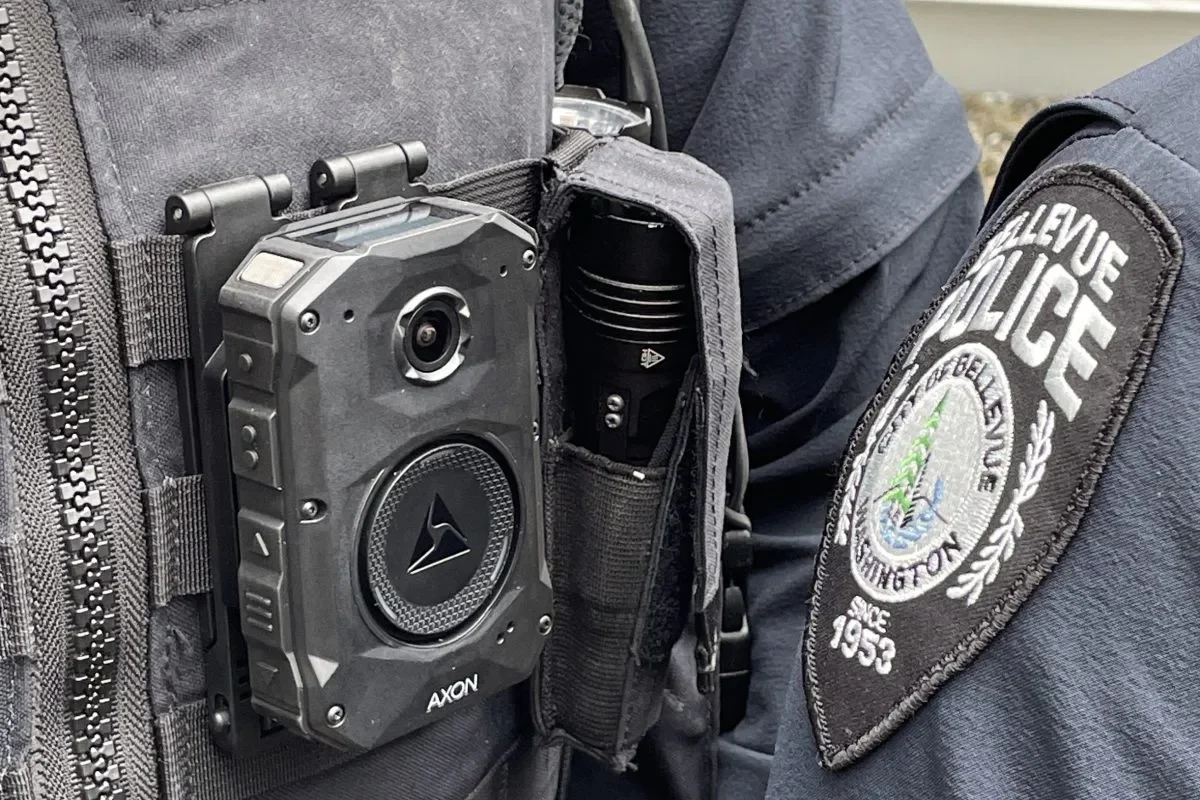
Panama’s National Police are moving forward with the purchase of 4,000 body cameras for officers in high-crime zones, even as the Ministry of Public Security (Minseg) confronts a $631.4 million reduction in its proposed 2027 budget. Police Director Jaime Fernández confirmed the equipment acquisition is in the structuring phase during a budget hearing before the National Assembly’s Budget Committee.
The body camera initiative aims to strengthen surveillance, document police actions, and create records of street-level procedures. Fernández said the first batch would be distributed among units operating in areas with the highest crime rates across the country.
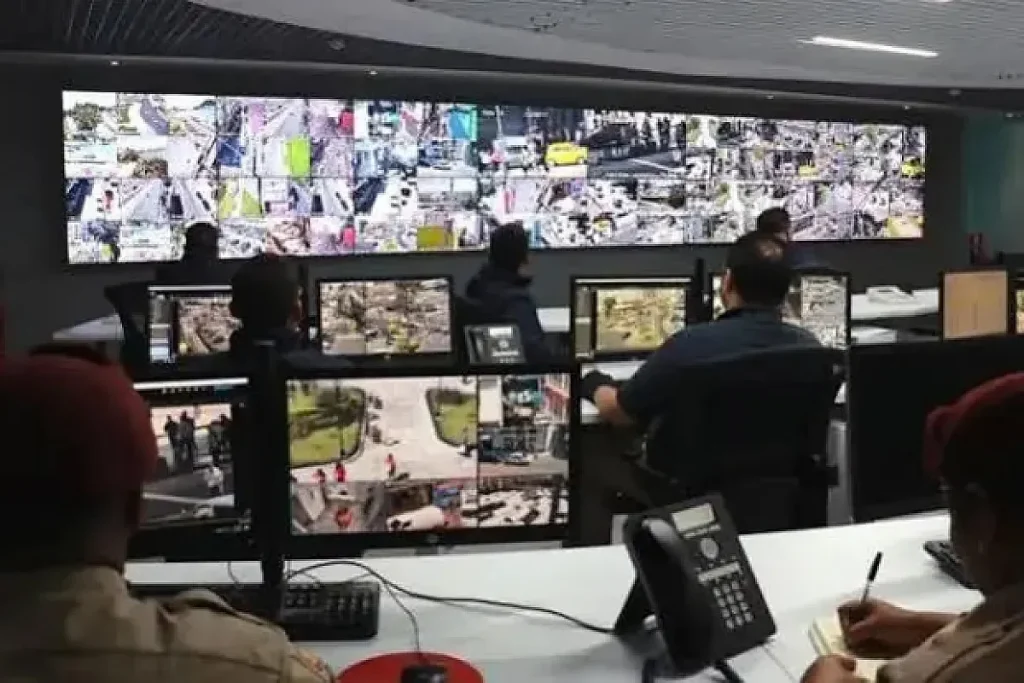
Panama Police Equipment Storage Challenges Emerge
A central obstacle involves data retention. Current legislation requires recordings to be kept for up to two years, but Fernández indicated the institution initially plans to store footage for only 60 to 70 days. He described maintaining two years of recordings from 4,000 devices as “budgetarily almost impossible” and unsustainable.
The police department is analyzing a proposal to modify existing regulations and establish a retention period compatible with its technological and financial capacity. Fernández said the institution expects to present this proposal to lawmakers in the coming months.
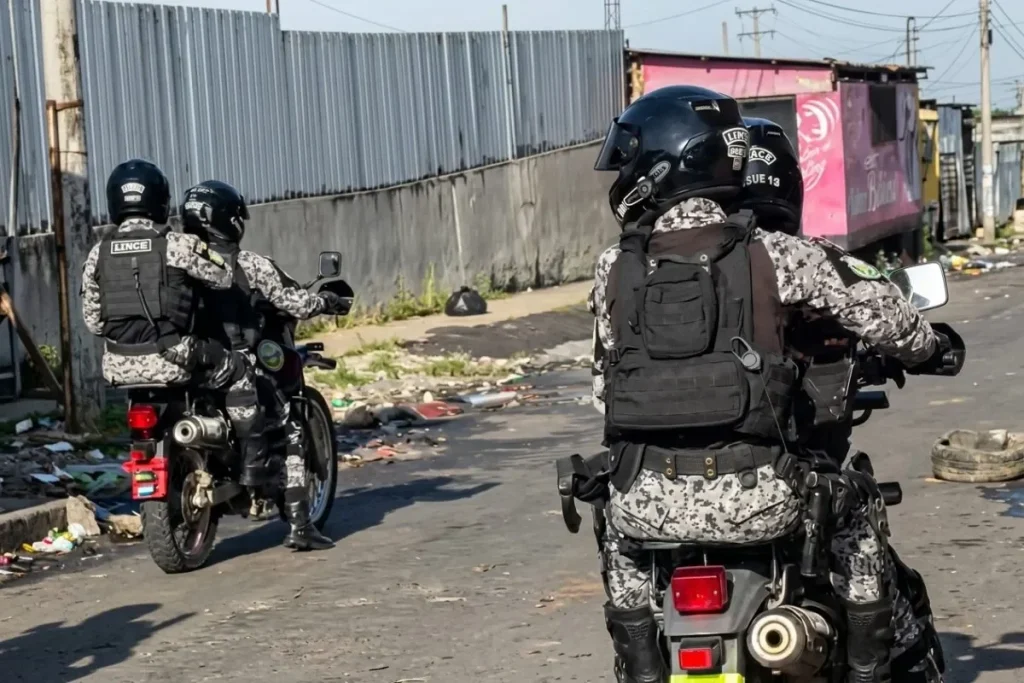
Budget Cuts Threaten Basic Operations
Minseg requested $1,732.9 million for fiscal year 2027, but the recommended allocation stands at $1,101.5 million, a 36.4 percent reduction. Security Minister Frank Ábrego warned that the gap will force the ministry to prioritize immediate needs while postponing or reprogramming others.
The shortfall includes a $54 million deficit in personnel services, which would prevent hiring replacements for officers retiring during 2027. Basic services at police stations, border posts, and air-naval facilities could face payment limitations. The cuts would also affect purchases of uniforms, boots, food, and operational equipment for the Public Force.
Ábrego emphasized that these supplies are not ordinary expenses but essential tools for personnel responsible for protecting streets, borders, and strategic installations. Vehicle, vessel, and aircraft renewal programs would also face restrictions under the reduced budget.
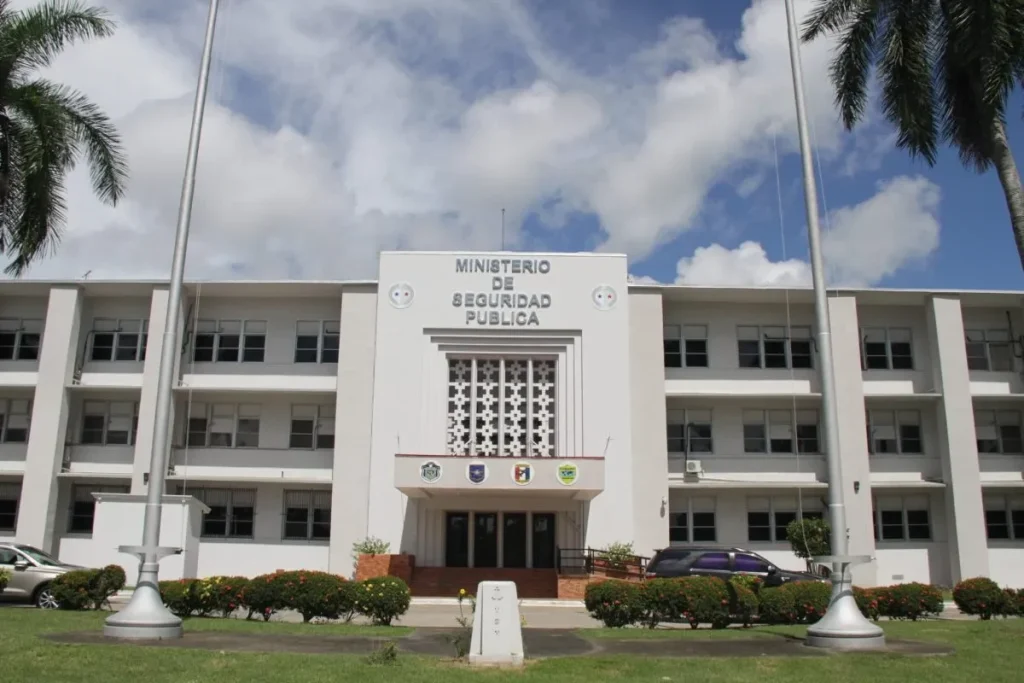
Investment Projects Face Severe Constraints
For investment projects, Minseg sought $275 million but received a recommendation of only $92 million. Of that amount, $64 million would come from self-management resources, leaving just $28 million from the General State Budget. The ministry said the recommended figure represents approximately 30.1 percent of required investment resources.
The situation contrasts with 2026 execution data. Through July 31, Minseg had an allocation of $1,041.8 million, with overall execution at 58.92 percent and investment projects at 54.5 percent. Ábrego noted that the 2026 allocation was already about 40 percent below the originally requested amount.
Despite these limitations, the ministry highlighted delivery of complete uniform and boot packages to units that had gone nearly a decade without them. It also reactivated the David and Mañanitas barracks, which had remained abandoned or paralyzed. The body camera purchase represents one of the few equipment initiatives advancing despite the fiscal constraints facing Panama’s security apparatus.