



Panama’s banking regulator has ordered the elimination of multiple customer fees starting January 4, 2027, a move that faces open resistance from financial institutions. The Superintendency of Banks of Panama (SBP) confirmed the bank commission elimination will apply to in-person transactions, credit-
procedures, and account management services.
The agreement, signed August 25, 2026, gives banks a transition window to overhaul internal policies and adjust fee structures before enforcement begins. Superintendent Milton Ayón Wong acknowledged the sector’s displeasure with the new regulatory framework.

Scope of Bank Commission Elimination Measures
The regulation prohibits banks from charging fees on cash deposits and withdrawals made in person at savings or checking accounts, with one exception. Transactions exceeding $10,000 monthly remain subject to existing fee structures. The rule also bans surcharges for designating or changing beneficiaries on savings, checking, or fixed-term accounts.
Mortgage transfers to another financial institution will no longer carry additional charges once more than five years have passed since the original loan term. Banks must also provide payment history documents free of charge when customers request them once per year, though subsequent requests within the same period can still incur fees.

Banking Sector Pushback and Regulatory Justification
Superintendent Ayón Wong did not hide the industry’s reaction to the changes. “It’s not something they like very much,” he said [Translated from Spanish], referring to the financial sector’s response. The official expressed hope that institutions will understand the scope of the decision despite their reservations.
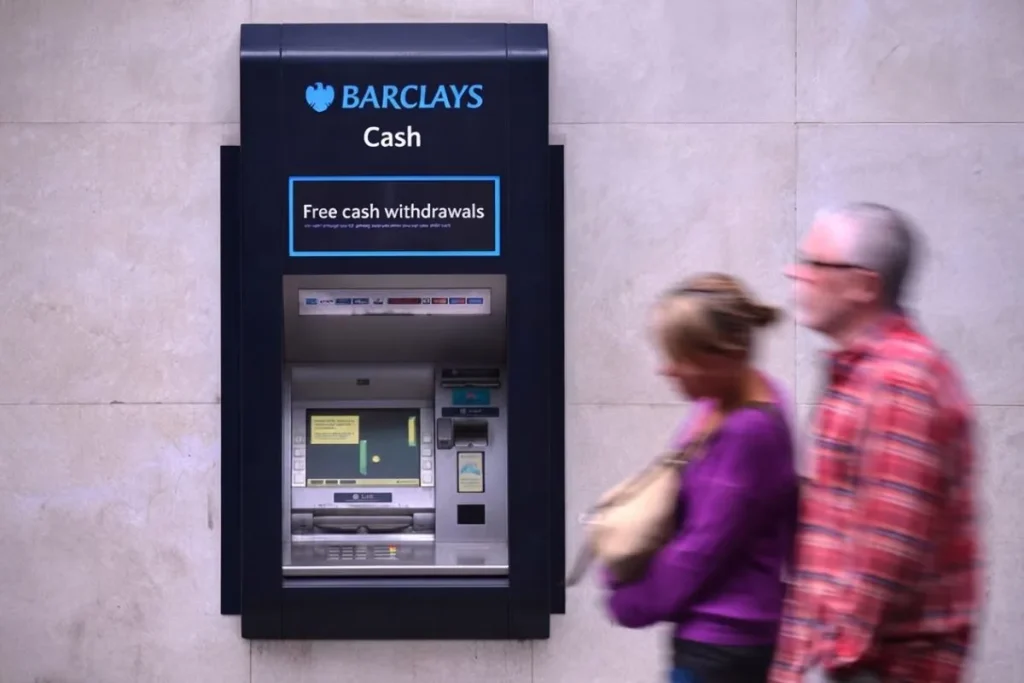
The SBP maintains that the new rules strengthen transparency and contractual balance between banks and their customers. The regulator identified specific charges that discourage depositors from visiting branches, including fees for balance letters, payment history documents, and early cancellation of certain loans. Ayón Wong conceded these procedures generate costs for banks but argued institutions must accommodate customers who prefer face-to-face service at branches or ATMs.
Consumer Protection Provisions and Compliance Timeline
The regulation also eliminates charges when customers fail to present insurance policy renewals, a requirement tied to compliance with Law No. 12 of 2012. This provision addresses a common friction point in banking relationships where documentation gaps trigger automatic fees.
Banks have until January 2027 to modify their internal systems and fee schedules. The SBP framed the transition period as sufficient for institutions to adapt while signaling that enforcement will follow the deadline without exception. The banking sector’s resistance suggests potential challenges ahead as institutions weigh compliance costs against regulatory pressure.