


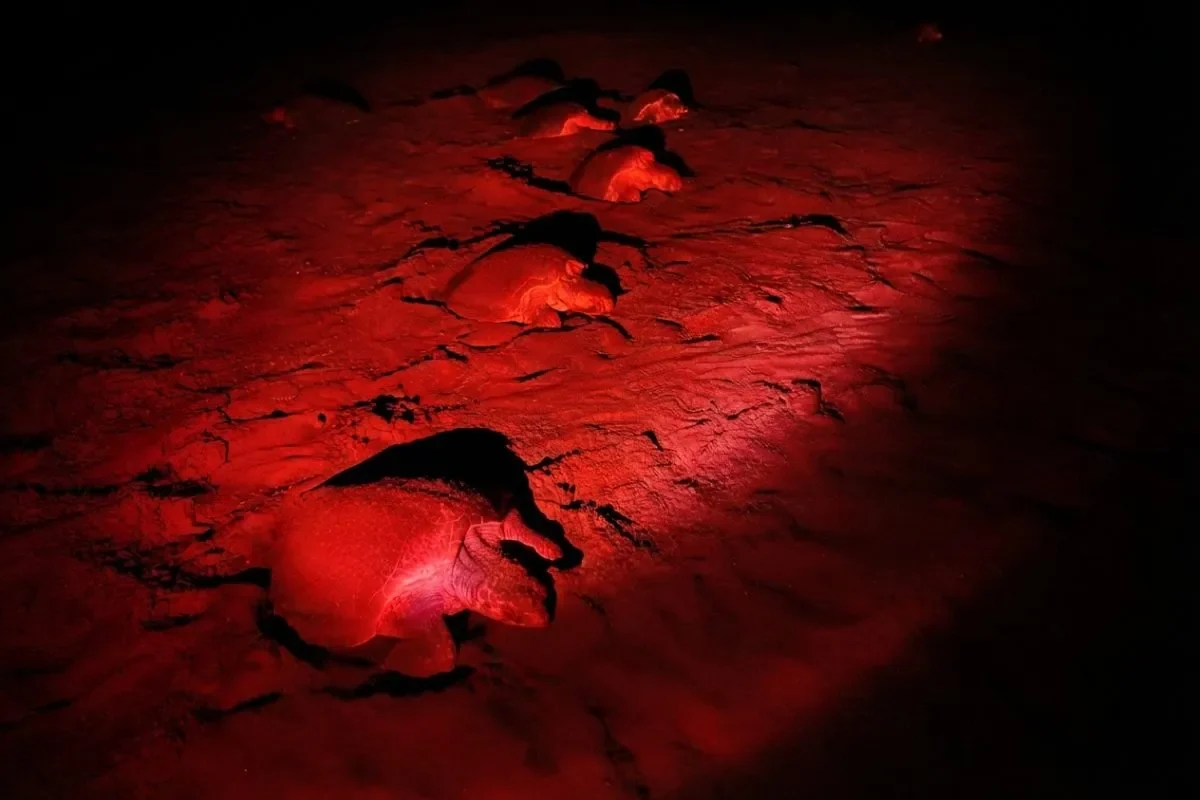
El Niño is disrupting sea turtle conservation efforts along Panama’s Pacific coast, where biologists warn that extreme heat could wipe out entire nests or skew populations toward a single sex. The Fundación Agua y Tierra is documenting these impacts at Playa Mata Oscura in Veraguas province, where sand temperatures now regularly exceed safe incubation thresholds.
The foundation’s monitoring program has recorded conditions that threaten both egg survival and long-term reproductive viability. Biologist Karen Rodríguez said the stakes are straightforward. Turtle eggs incubate safely between 28 and 34 degrees Celsius. Beyond that range, the consequences are severe.
‘If temperatures exceed 34 degrees, all the eggs would cook. If the temperature stays above 32 degrees, all hatchlings will be female, and an entirely female population also harms the sea turtle’ [Translated from Spanish]
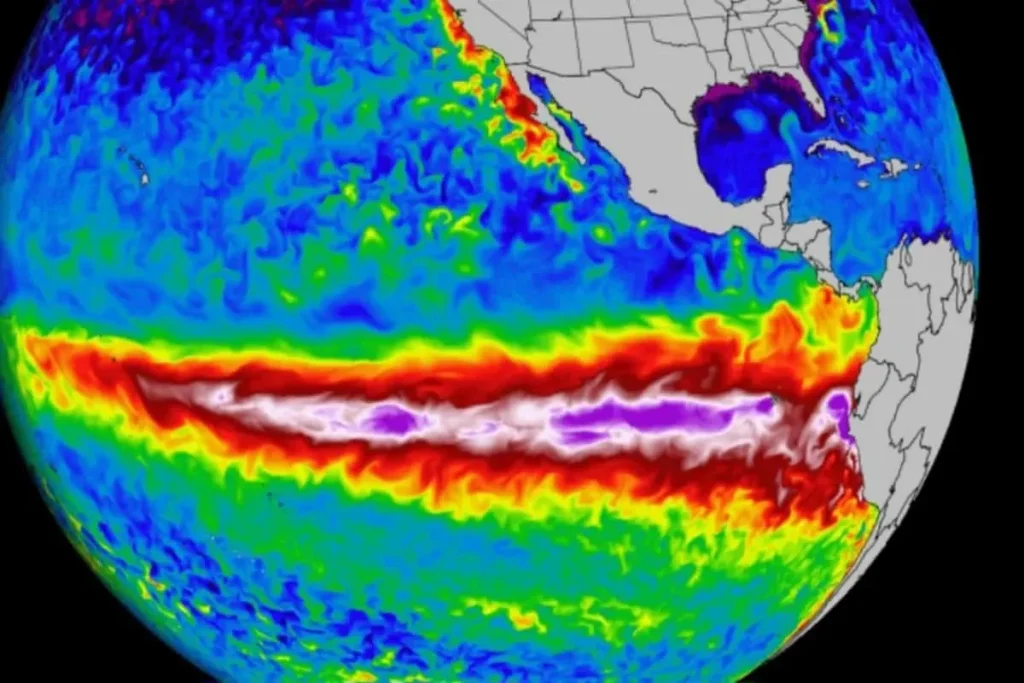
El Niño‘s Impact on Nesting Grounds
The current El Niño cycle has amplified what was already a gradual warming trend. Rodríguez explained that the foundation has conducted assessments to understand how higher temperatures affect both egg incubation and the turtles’ food supply. The results show a species under multiple pressures at once.
Sea level rise compounds the problem. As water encroaches on nesting beaches, turtles lose available space and increasingly move to new areas. Lía González, a foundation representative, noted that turtles have been observed moving further inland seeking shade.
‘Over the years we have noticed that the turtles go higher up looking for this shade. The temperature change affects everything, including feeding and habitat loss. As the sea level rises, they no longer have as much space, so they are moving to other beaches’ [Translated from Spanish]
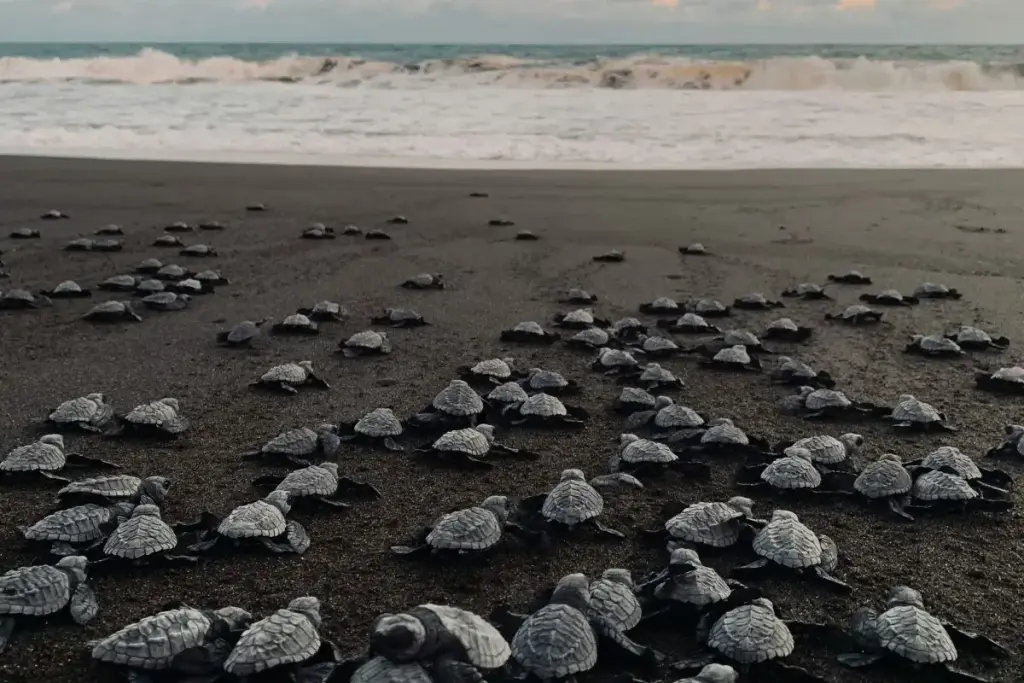
Adaptive Measures in Sea Turtle Conservation
Fundación Agua y Tierra has responded by installing shade structures over its hatcheries at Playa Mata Oscura. These artificial canopies help regulate sand temperature during the critical incubation period, keeping nests below the lethal threshold. The technique is a direct intervention against what nature alone can no longer provide.
The foundation’s broader conservation program includes ongoing monitoring of nest temperatures, hatchling sex ratios, and adult turtle movements. These data points help biologists predict which beaches will remain viable as climate patterns shift.
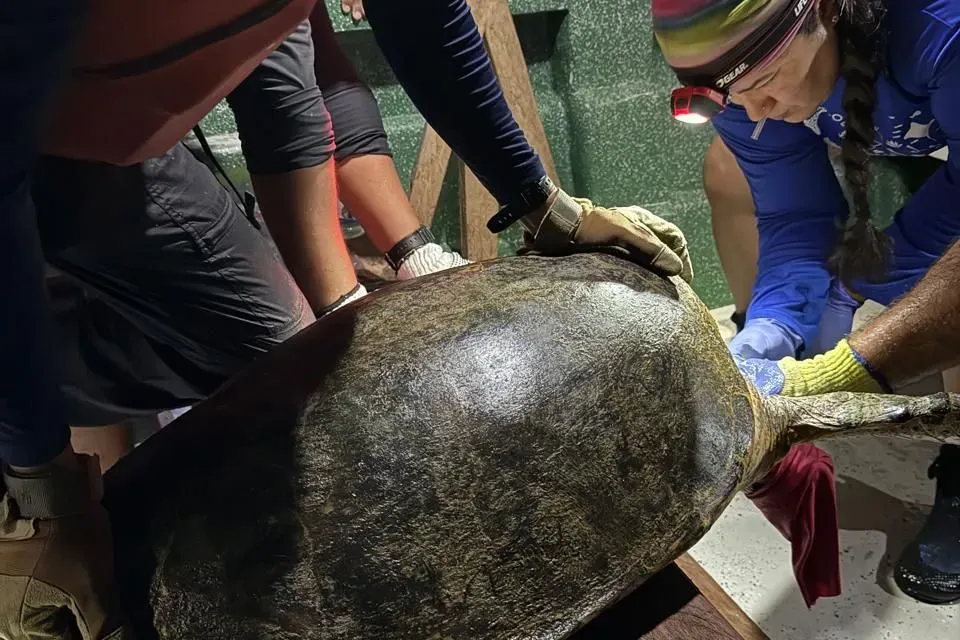
Community Role and Long-Term Outlook
The organization has called on local residents and visitors to support conservation initiatives that protect sea turtles and contribute to the species’ sustainability. Public cooperation matters because beach activity, light pollution, and development all add stress to populations already dealing with thermal pressure.
Without intervention, the combination of lethal heat events and female-skewed populations could reduce reproductive success over successive generations. The foundation’s work at Mata Oscura offers a model for how targeted actions, like shading nurseries, can buy time while broader climate responses take shape.