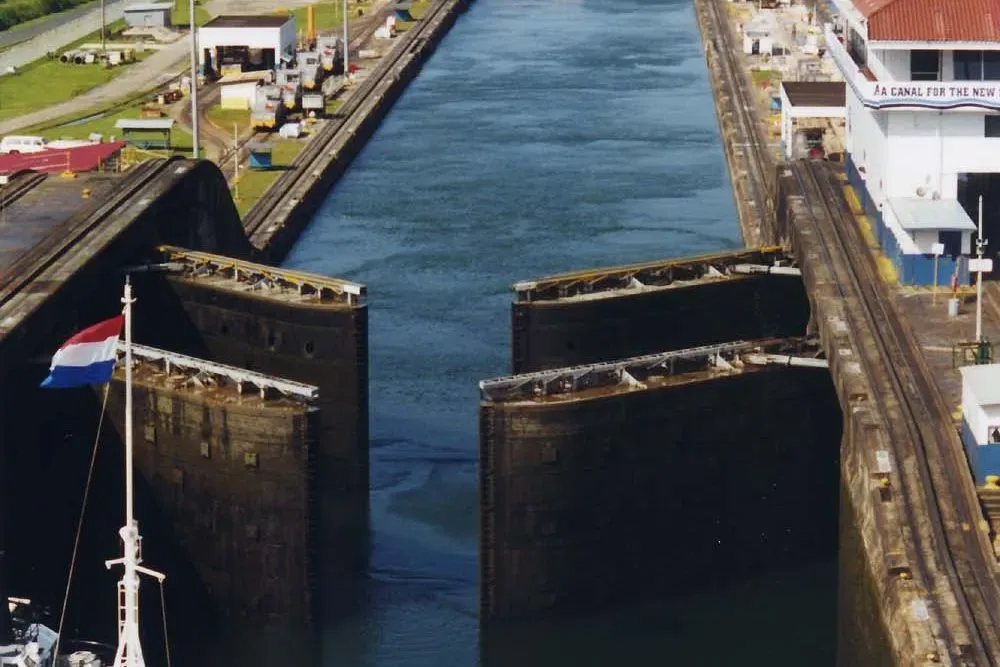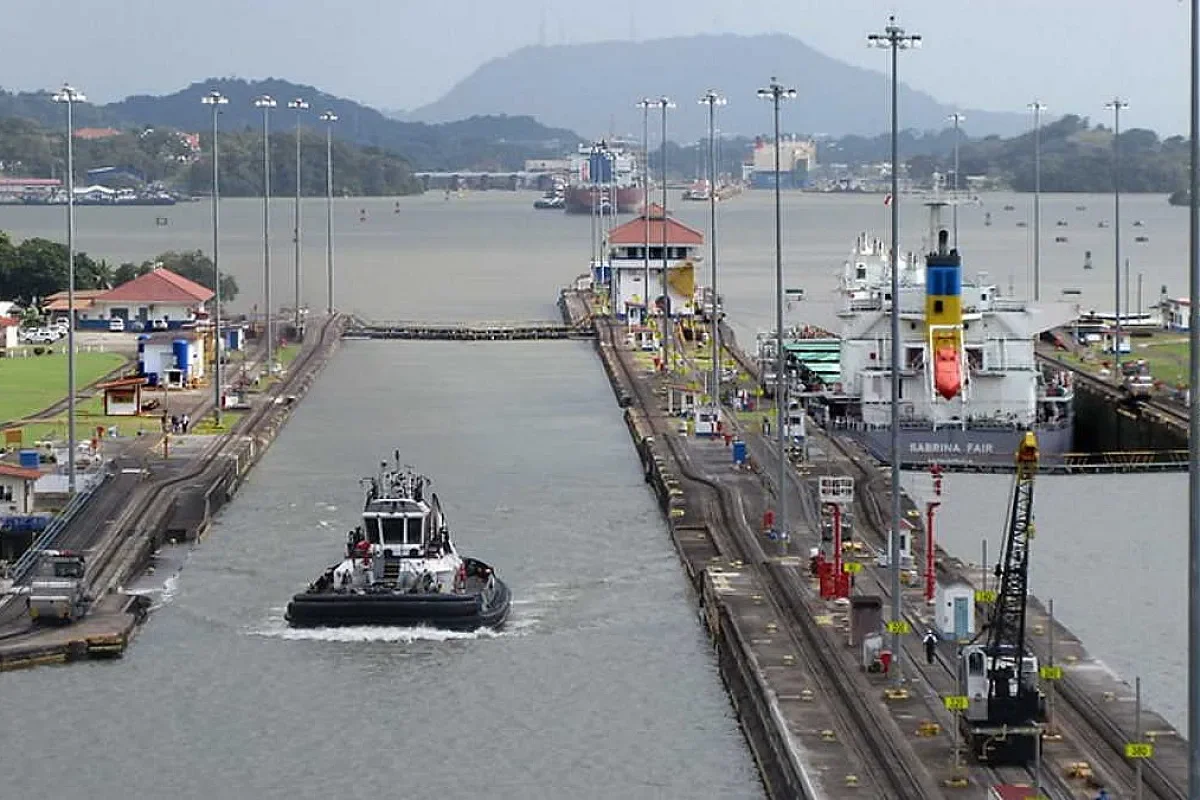
The Panama Canal Authority (ACP) reported that accumulated rainfall during the first 21 days of September surpassed historical averages, marking the first favorable month of the 2026 rainy season after four consecutive months of deficits. The September rains Panama basin recovery comes as a welcome development for operations, though officials maintain a cautious outlook given persistent El Niño conditions.
Ayax Murillo Burgos, hydrology manager at the ACP, confirmed the shift during a broadcast interview on September 22, describing the institution’s position as one of “prudent optimism” rather than declaring the water crisis resolved.

September Rains Panama Reservoir Levels Show Mixed Recovery
Gatún reservoir recorded 84.53 feet on September 22, leaving it 2.97 feet below its maximum operational level of 87.50 feet. The reservoir has remained relatively stable with moderate recovery since late August. Alhajuela reservoir presented a more visible increase, reaching 241.17 feet, though still 10.83 feet below its 252-foot operational ceiling.
Murillo noted that urban rainfall does not guarantee reservoir replenishment. Precipitation must fall directly over Gatún and Alhajuela or reach the mountain headwaters feeding the basin to produce meaningful storage gains.

Drought Deficits and Daily Transit Capacity
Before September’s turnaround, the basin endured significant shortfalls. May rainfall ran 26 percent below the historical average. June worsened to a 44 percent deficit. July closed 32 percent under its reference point, and August ended 23 percent below normal levels.
The ACP currently maintains 32 daily transit slots for vessels and does not anticipate new restrictions at this time. Water availability remains under constant review as the authority balances shipping demands with population water needs.

October Projections and El Niño Caution
Despite September’s positive results, the ACP has incorporated a below-average October into its projections. Historical records spanning three decades show October typically brings roughly 300 millimeters of precipitation, but the 2026 estimate anticipates only 200 millimeters, regardless of El Niño or La Niña conditions.
The basin remains under El Niño influence, and Murillo emphasized that the water threat has not been fully overcome. The recovery trend began during the final days of August, with significant rainfall on August 30 and 31 triggering progressive improvement through September.
The coming weeks will determine whether the September rains Panama basin gains can sustain operations through the remainder of the dry period, with officials monitoring reservoir behavior and precipitation patterns closely before adjusting any operational parameters.