


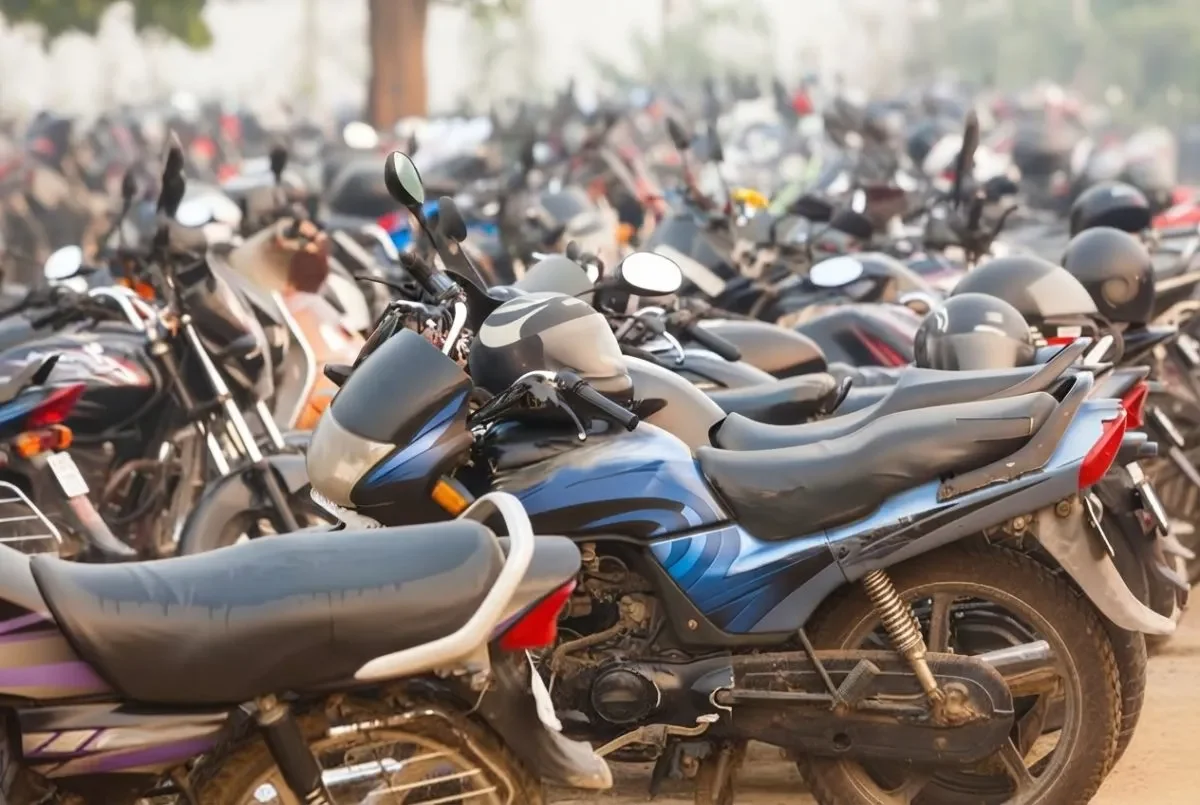
Panama City authorities are pushing forward with a comprehensive revision of Panama traffic regulations to address the surging presence of motorcycles and electric scooters on the nation’s roadways. Nicolás Brea, director of the Transit and Land Transport Authority (ATTT), confirmed the regulatory update during a Monday interview, citing the need to adapt rules that have lagged behind shifting mobility patterns since 2021.
Brea revealed that approximately 100,000 motorcycles are currently registered nationwide, a figure drawn from vehicle inspection and registration databases. These two-wheeled vehicles have moved beyond delivery services and weekend recreation to become a daily commuting staple for thousands of Panamanians, creating new pressures on road safety enforcement and driver education.
Why Panama Traffic Regulations Need Urgent Revision
The existing legal framework, anchored by Executive Decree 206 of 2021, established speed-based rules for electric mobility devices. Vehicles that cannot exceed 30 kilometers per hour may use sidewalks while yielding to pedestrians. Those reaching between 30 and 45 kilometers per hour can travel on roadways, but only if riders wear helmets and the vehicles carry brakes and rearview mirrors. These faster units must follow cycling rules and stay to the right edge of the lane.
Brea acknowledged that portions of the 2021 decree have become outdated as scooter technology evolves and usage patterns shift. An internal working group is now examining identification mechanisms and insurance requirements for electric scooter riders who operate on public roads. The director said riders using vehicles in the 30 to 45 kilometers per hour range should carry insurance, though enforcement mechanisms remain under discussion.
Dealer Training and Night Racing Crackdowns
One of the ATTT’s central proposals involves creating a formal working group with motorcycle dealerships. Brea wants sellers to take a more active role in orienting buyers toward safe riding practices at the point of purchase. The plan reflects a broader strategy to combine enforcement with education rather than relying solely on fines and checkpoints.
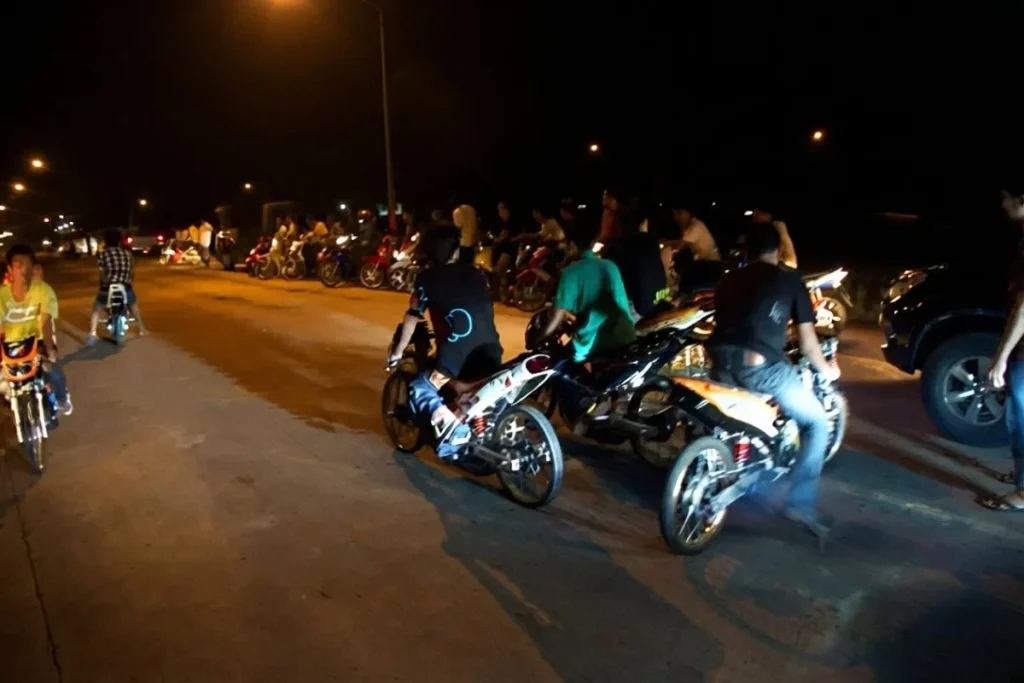
Brea also addressed illegal nighttime street racing, a persistent problem in Panama City and surrounding areas. The ATTT has launched targeted operations against these gatherings, and the director stressed that racing belongs in designated facilities. The regulatory overhaul aims to establish clearer penalties and operational rules for these dangerous activities.
Centenario Bridge Accident and Traffic Coordination
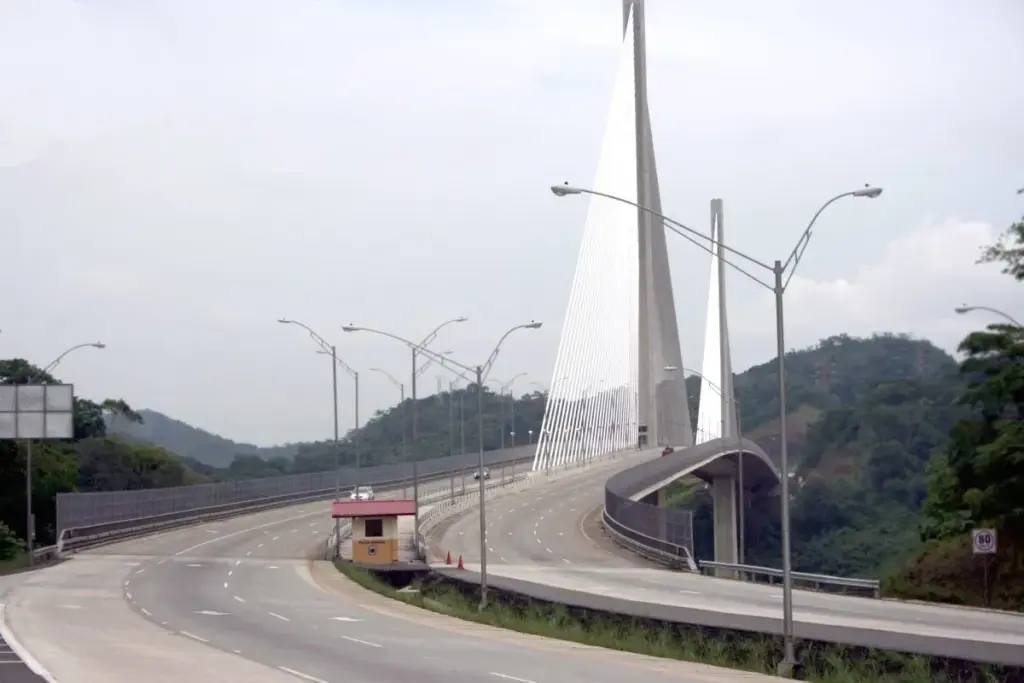
The ATTT director also commented on a recent accident near the Centenario Bridge entrance that severely disrupted traffic heading toward Panama Oeste. He said the agency coordinated with the National Police’s Traffic Operations Directorate to implement a reversible lane system to ease congestion. Between 3 p.m. and 8 p.m., roughly 60,000 vehicles pass through that corridor, meaning any incident creates immediate gridlock.
Regarding the accident’s cause, Brea urged patience pending investigation results but suggested shared responsibility between the party that loaded the cargo and the vehicle owner. He reminded the public that the ATTT operates both fixed and mobile weigh stations to verify commercial vehicle loads.
The motorcycle regulation update and scooter insurance discussions are expected to continue through the ATTT’s internal working group in the coming months. Officials have not announced a timeline for implementing the revised traffic code.