



Panama’s economy expanded 5.5 percent in the first half of 2026, a pace that could position the country for 5.3 percent annual growth, according to an October economic report from the Panamanian Association of Business Executives (Apede). The Panama economic growth figures mask a troubling shift in employment quality, with underemployment nearly doubling even as headline unemployment fell.
The report, prepared by Apede’s Commission on Economic Affairs and National Finances, found that transportation and storage sectors led expansion at 10.4 percent, followed by commerce at 8.8 percent. Electricity, water and sanitation grew 5.2 percent, construction advanced 4.6 percent, and hotels and restaurants rose 4.1 percent.
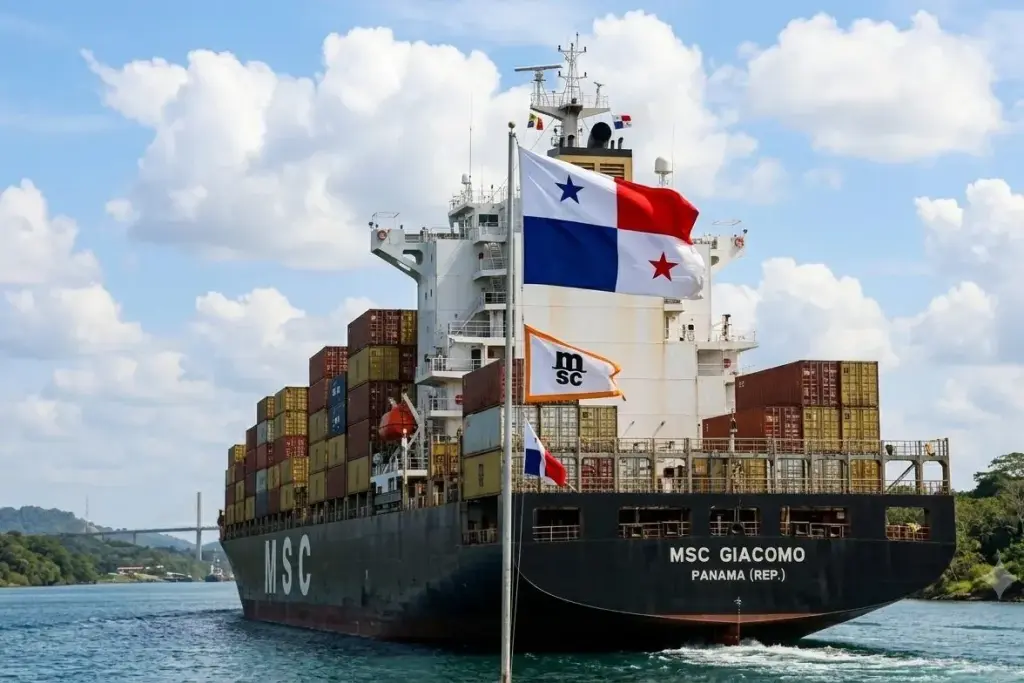
Sector Performance Driving Panama Economic Growth
Accumulated indicators through July 2026 reinforce the upward trajectory. Cargo volume through the Panama Canal jumped 19.4 percent. Colón Free Zone trade climbed 14.3 percent. Tourist arrivals increased 18.3 percent. Construction permit values rose 16.7 percent, signaling sustained future activity.
Apede’s analysis identifies business opportunities across logistics, energy, mobility, airport infrastructure and hospitality. The Panama Canal’s projected investment portfolio exceeds $8 billion for the 2025-2035 period. Additional initiatives span electric transmission, commercial expansion and port development, all at various stages of announcement, proposal or award.

Employment Quality Deteriorates Despite Lower Unemployment
While the unemployment rate dropped from 10.4 percent in 2025 to 8.5 percent in 2026, the report documents a sharp rise in invisible underemployment. That category surged 94 percent, from 213,370 to 413,155 people. One in five employed Panamanians now works 40 hours or more weekly while earning below minimum wage.
The proportion of fully employed workers fell from 55 percent to 46 percent, a reduction of 144,985 people. Informality declined marginally from 47.1 percent to 45.8 percent, yet the number of informal workers remained essentially unchanged at around 784,000.
“Economic growth must translate into opportunities that improve the lives of Panamanians. We need to boost investment and productivity to generate full formal jobs with better pay, along with efficient management of public resources that allows us to meet the country’s needs” [Translated from Spanish]
Alberto López Tom, president of Apede, delivered that assessment in the report.

Fiscal Pressures Constrain Public Investment Capacity
Central government deficit narrowed 13.7 percent between January and July 2026, reaching $3,371 million. But total revenues covered only 60 percent of expenditures, leaving 40 percent dependent on financing. Current savings showed a negative balance of $1,792.1 million.
Debt interest payments consumed 36 percent of current revenues, equivalent to 97.5 percent of the amount allocated for public investment. Apede urged strengthening tax collection and improving spending efficiency to restore current savings, expand investment capacity and reduce reliance on borrowing.
The report’s central challenge remains converting Panama economic growth and new investments into quality employment, higher productivity and broader welfare gains for the population.