



Panama’s construction sector posted a significant rebound through June 2026, with approved building permits reaching $597.6 million, a 20.2% increase over the same period last year, according to the Ministry of Economy and Finance (MEF). The surge was driven primarily by non-residential construction, which expanded 33.5% year-over-year, while residential permits grew 14.1%.
The $100.5 million jump in permit values signals renewed private investment after two consecutive years of contraction. Residential projects still dominate the landscape, accounting for roughly 65% of total approved investment, but the faster growth in commercial and institutional building points to broader confidence in Panama’s economic trajectory.
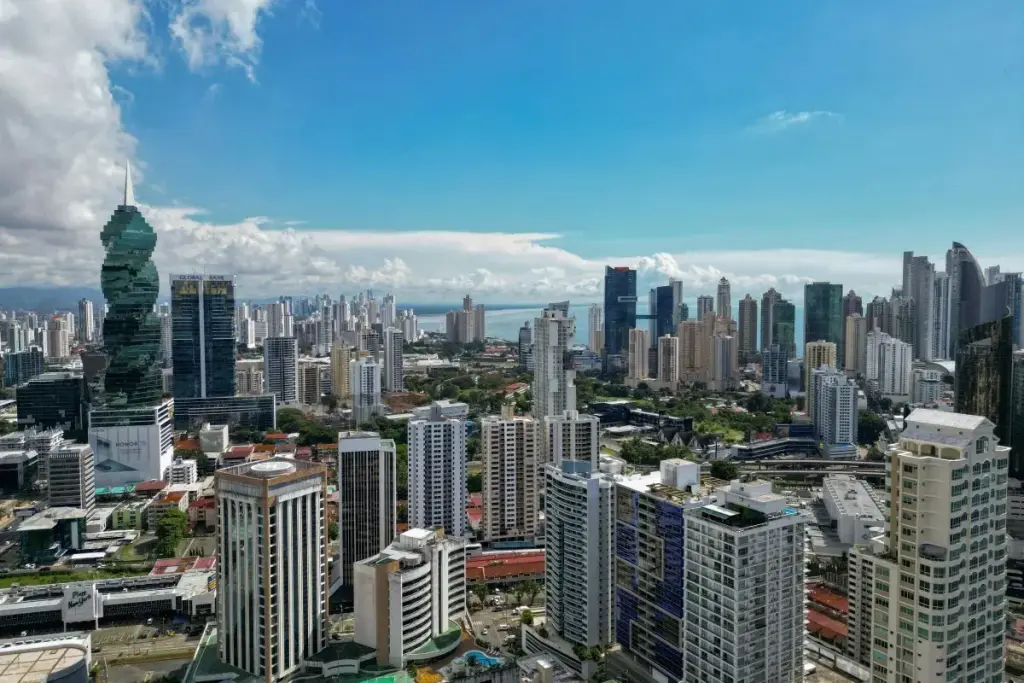
Non-Residential Construction Leads Sector Recovery
The MEF’s Economic Situation Report from the Directorate of Economic and Social Analysis highlighted the outsized role of non-residential construction in the sector’s turnaround. Commercial developments, industrial facilities, and institutional buildings generated the strongest momentum, reflecting diversified investment beyond housing.
Residential construction, while slower at 14.1% growth, still represents the bulk of private capital in the sector. The combination of both segments posting double-digit increases marks a departure from the declines recorded in 2024 and 2025, when the industry struggled with rising costs and tighter financing conditions.
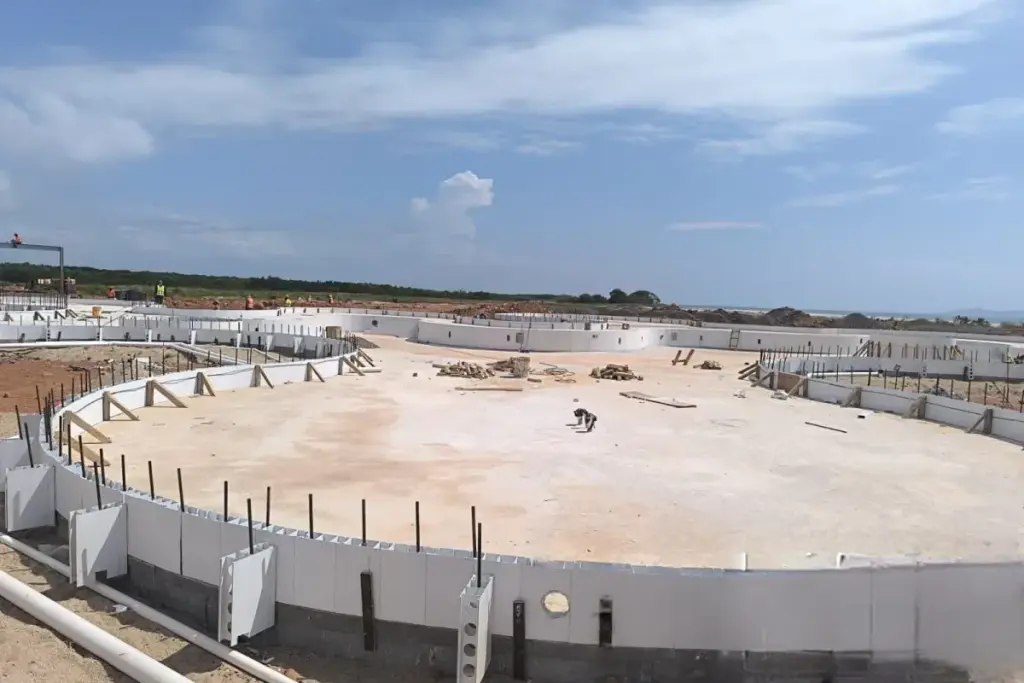
Geographic Distribution and District Performance
Panama District retained its position as the country’s construction hub, concentrating 73.3% of total investment with a modest 7.6% increase. But the most dramatic growth occurred in Arraiján, where permit values soared 322.6% compared to the first half of 2025, suggesting developers are pushing westward into more affordable land markets.
Aguadulce bucked the positive trend, reporting a 34.4% decline in approved construction values. The uneven geographic distribution underscores how recovery remains concentrated in metropolitan and peri-urban areas rather than spreading evenly across the country.
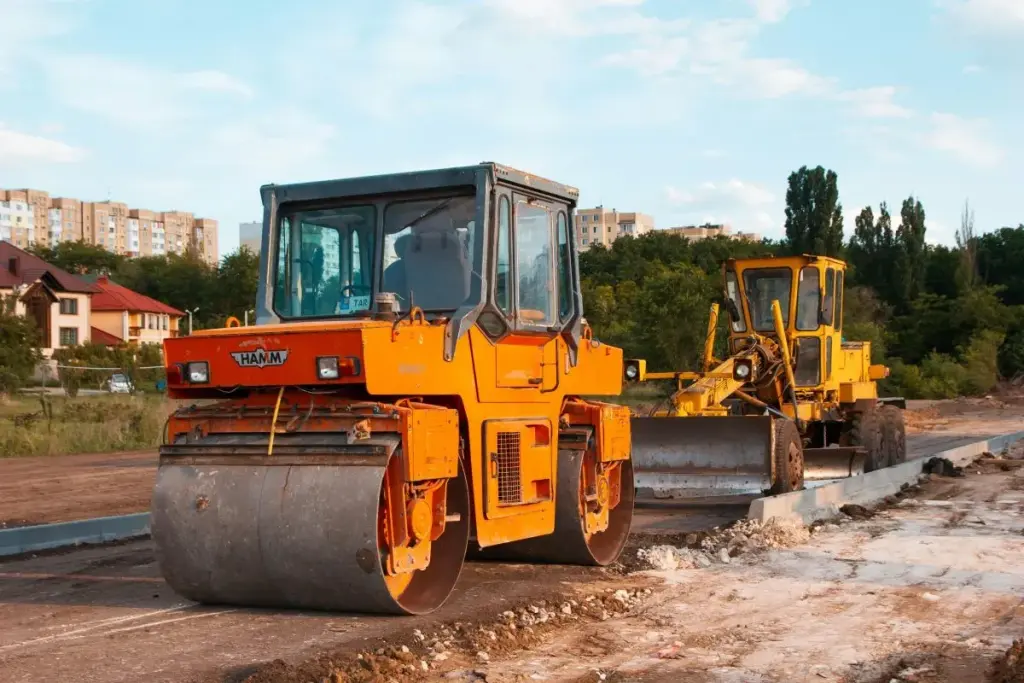
Policy Coordination and Infrastructure Pipeline
Technical commissions from the Tripartite Table for Construction Sector Revitalization, organized by the National Assembly, advanced discussions on improving investment conditions. Topics included revising evaluation mechanisms under Public Procurement Law 22, unifying inspection criteria, and updating workplace safety standards to align with international norms.
On the public infrastructure front, the Ministry of Public Works (MOP) reported 360 active road and maintenance projects generating more than 54,000 direct jobs. June also marked the start of pre-construction for the Panamericana Oeste project under a Public-Private Partnership model, while the Ministry of Education began building the new Puerto del Mar Integral Education Center in Panama West.
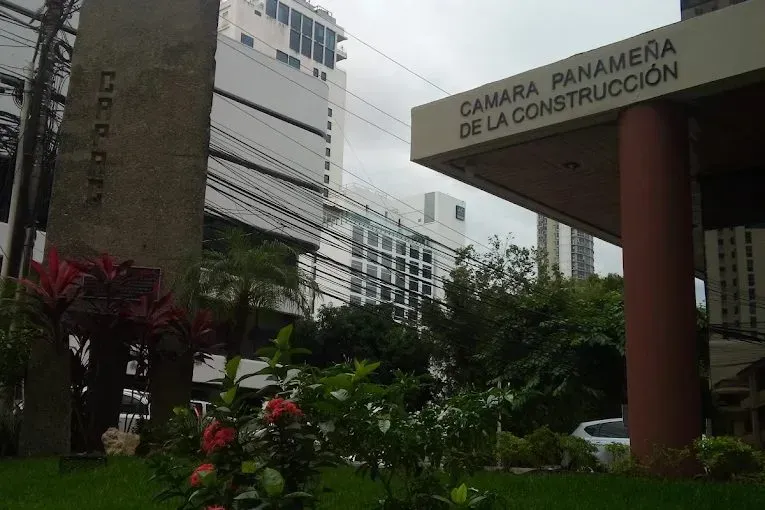
Irene Orillac de Simone, president of the Panamanian Chamber of Construction (Capac), acknowledged the progress but cautioned against premature celebration.
“Today we see positive signals and a small boost in activity, but we are still far from the levels the sector had in 2023. The challenge now is to transform this partial recovery into a sustainable policy that returns stability and dynamism to the industry” [Translated from Spanish]
Capac data shows first-quarter permits grew 36.3% nationally, yet the sector remains 44.1% below 2023 levels when measured cumulatively. The gap reflects how far the industry must climb before achieving a full recovery, even as current indicators point in the right direction.
The construction sector continues to function as one of Panama’s most effective engines for rapid economic impact and formal job creation. With private investment rebounding and public infrastructure projects advancing, industry leaders see a foundation for sustained growth, though they emphasize that policy consistency will determine whether the current momentum endures.