


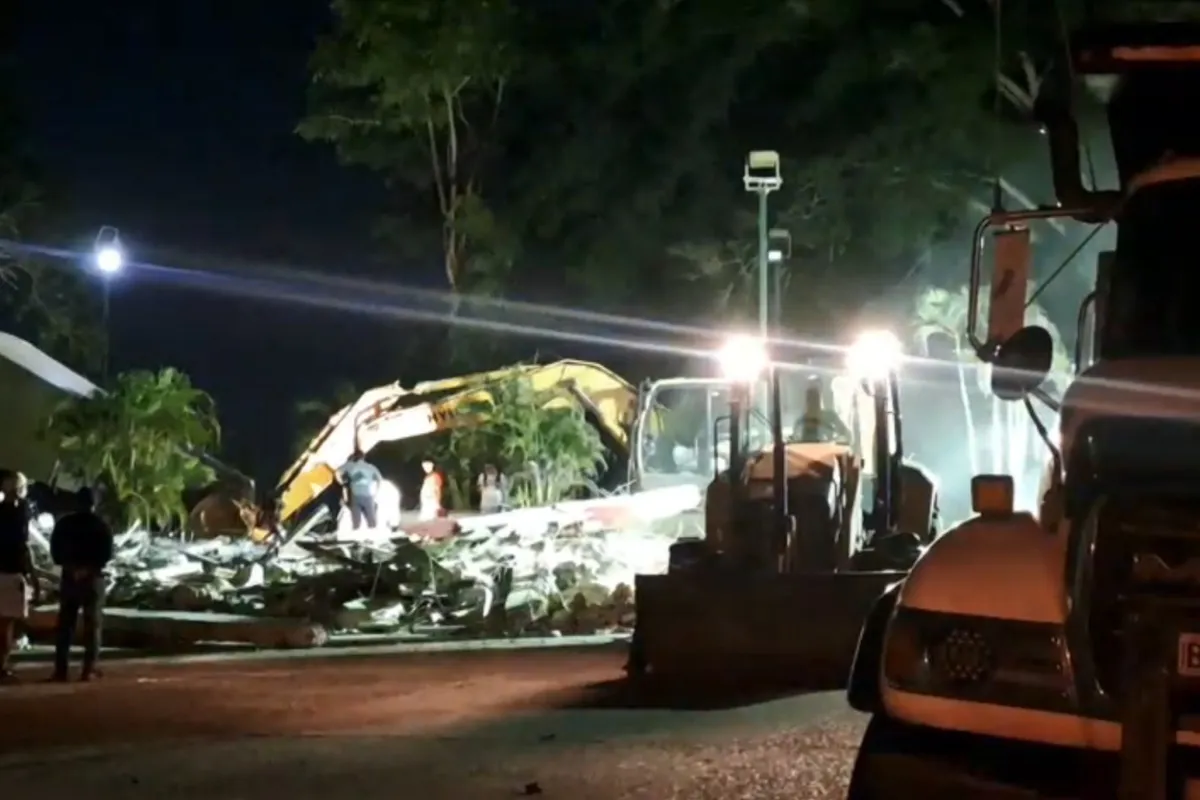
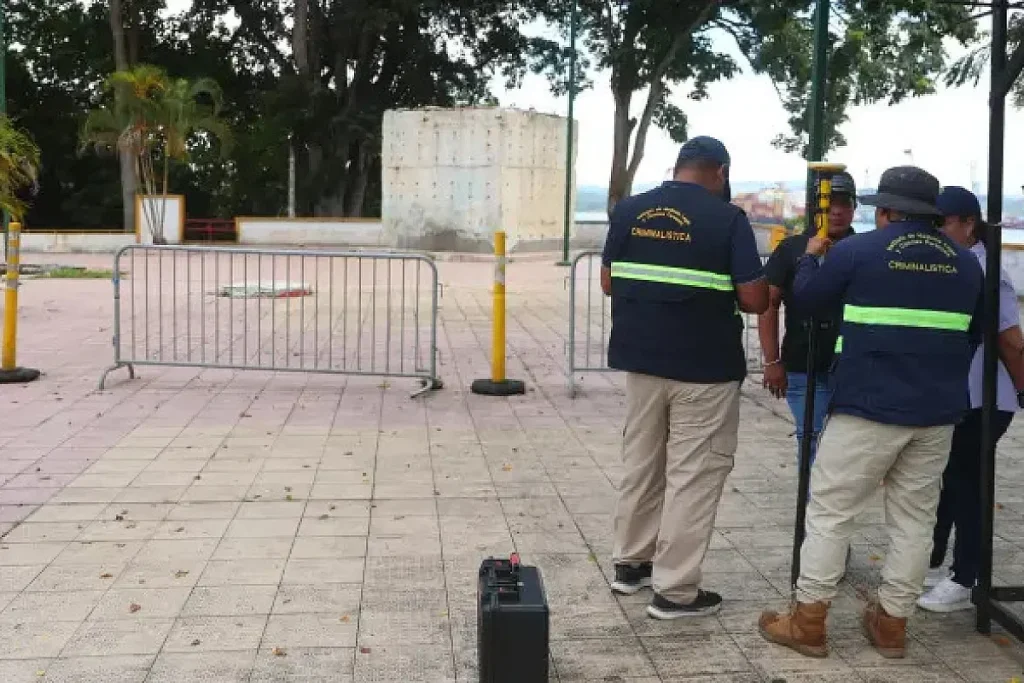
Panamanian anti-corruption prosecutors and forensic experts launched an official inspection Monday at the Bridge of the Americas overlook, the site where the Chinese monument demolition occurred in December 2025. Investigators from the Institute of Legal Medicine and Forensic Sciences (Imelcf) are working to document precisely where the removed structures once stood and who authorized their destruction.
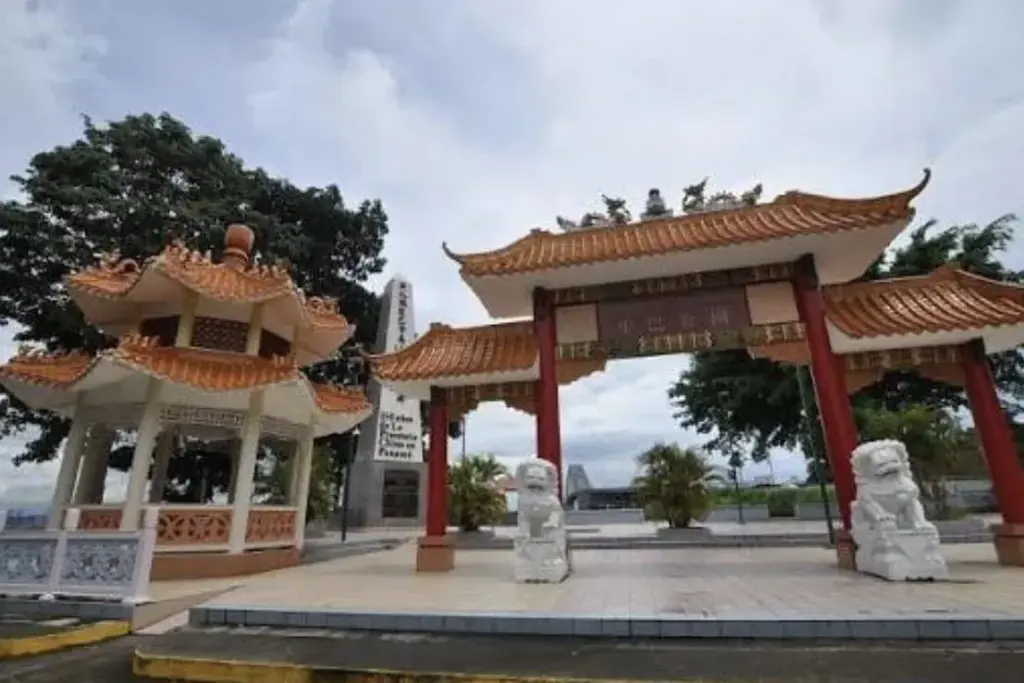
The inspection targets the monument dedicated to Panama’s Chinese community and its historical contributions to the country. Edna Ramos Chu, legal representative of the Chinese Association of Panama, confirmed that experts must certify the original locations of the demolished elements, which were allegedly ordered removed by Arraiján Mayor Stefany Peñalba.
Forensic Investigation Seeks Cultural Heritage Accountability
The judicial inquiry aims to establish criminal responsibility for destroying an item of cultural value while also examining whether the mayor exceeded her authority. Prosecutors are gathering evidence that could lead to formal charges of abuse of power, according to officials familiar with the proceedings.
The December demolition came without prior consultation with Chinese community leaders, who had maintained the site for decades as a symbol of their ancestors’ arrival and integration into Panamanian society. The monument marked a gathering point for cultural ceremonies and commemorative events tied to the Chinese diaspora’s 170-year presence in the isthmus.
Tourism and Community Heritage Loss
Beyond the legal questions, the destruction dealt a measurable blow to local tourism. The overlook near the Bridge of the Americas attracted visitors seeking panoramic views of the Panama Canal entrance, with the monument serving as a cultural landmark for guided tours and independent travelers alike. Tour operators in Arraiján reported cancellations and reduced foot traffic in the weeks following the demolition.
For Panama’s Chinese community, the site represented far more than a tourist stop. Generations of families visited the monument to honor the immigrants who helped build the trans-isthmian railroad and later the canal. Community elders describe the memorial as a bridge between their heritage and their Panamanian identity, making its sudden removal a profound cultural wound.
Chinese Monument Demolition Case Moves Forward
The inspection marks a critical phase in an investigation that could set precedent for how Panama treats cultural heritage sites tied to immigrant communities. Legal analysts note that Panama’s cultural patrimony laws protect monuments regardless of their construction date when they hold significant community value.
Mayor Peñalba has not publicly detailed the legal basis for the demolition order. The Chinese Association of Panama continues to press for full accountability and restoration of the site, with community representatives attending each stage of the forensic process to ensure transparency in the proceedings.