


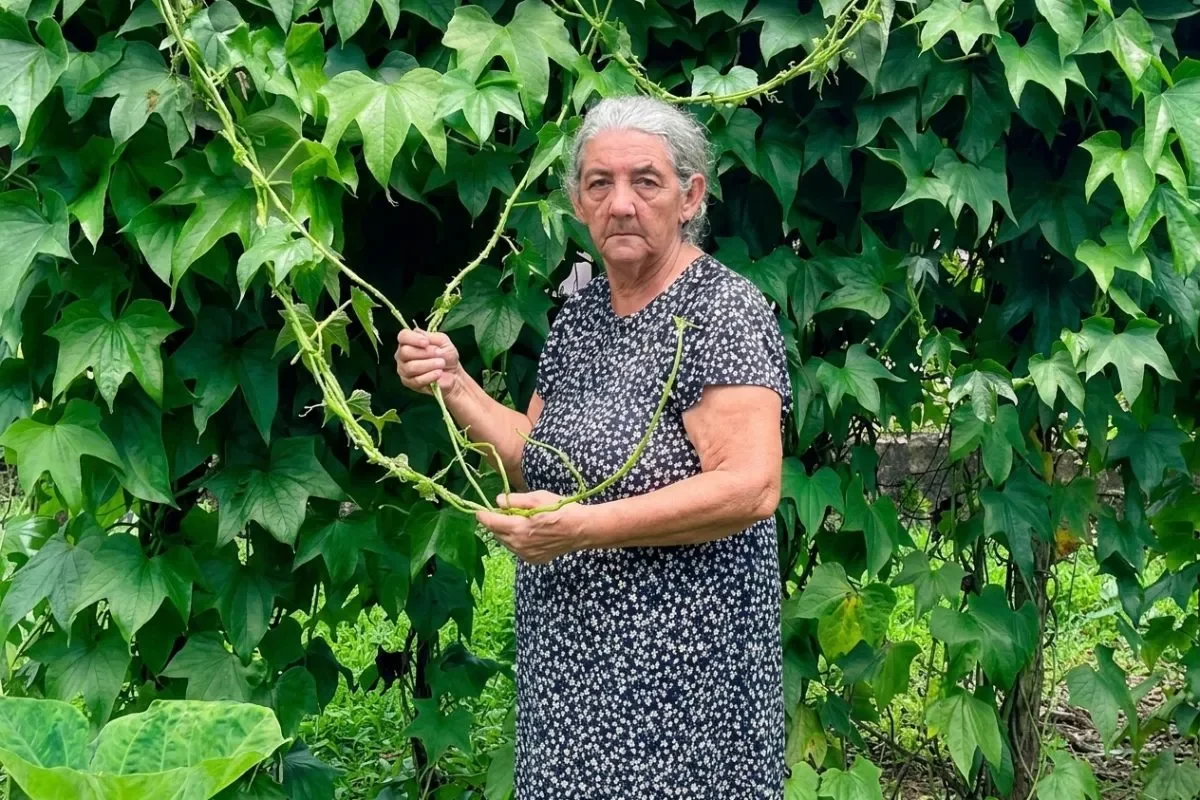
A 74-year-old rural leader from Chiriquí province has received international recognition from the United Nations Food and Agriculture Organization (FAO), cementing her legacy as an agrifood systems heroine and champion of rural development. Idalides Calderón de González, from the Progreso district of Barú, was named one of 100 Women Heroines in Agrifood Systems and Rural Development during the World Food Forum held in Rome.
The announcement came October 19, 2026, following her nomination by Panama’s Ministry of Agricultural Development (MIDA). The FAO distinction honors women worldwide who have made significant contributions to food production, community organization, and rural women’s leadership. Calderón dedicated the award to all rural women in Panama, saying the recognition belongs to them collectively.
Agrifood Systems Heroine Builds Community Organization
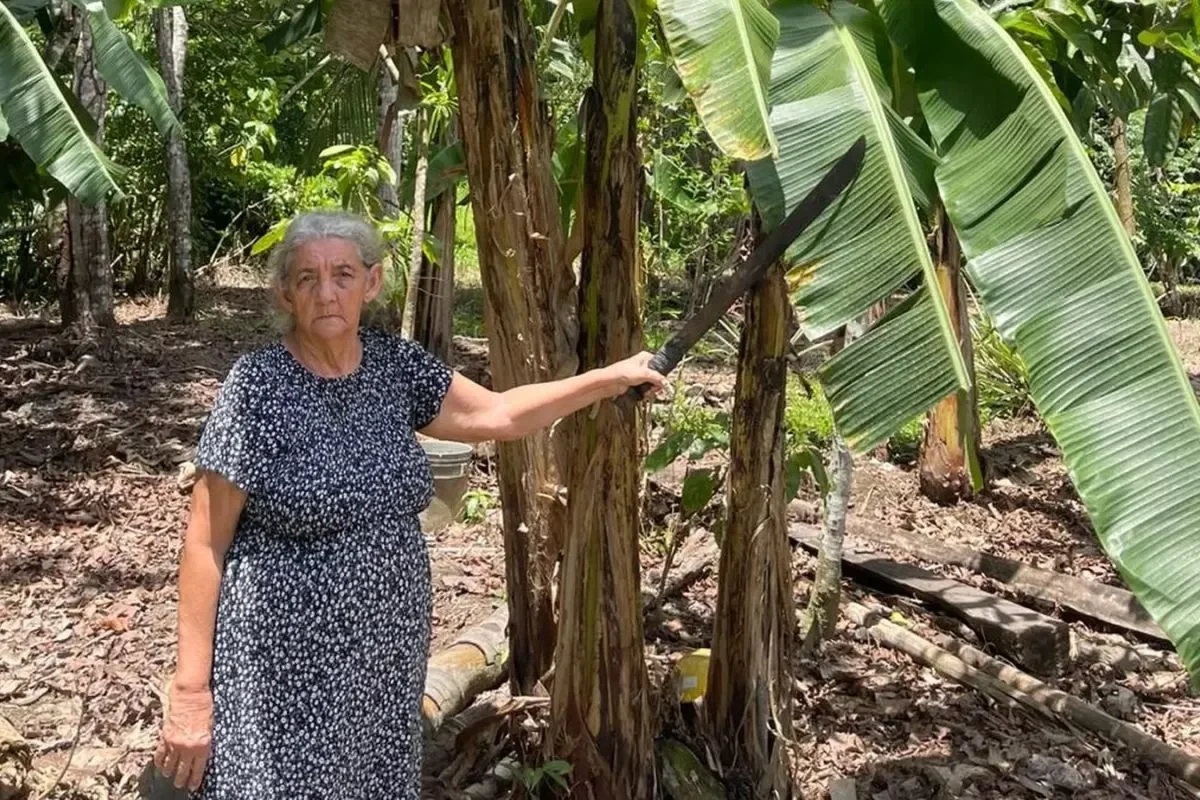
Calderón’s path to becoming an agrifood systems heroine began in childhood on a banana farm where her father worked. After his death when she was nine, subsistence agriculture became the family’s lifeline. They cultivated avocado, mamoncillo, banana, plantain, yucca, cacao, papaya, and corn, selling surplus to supplement household income.
That connection to the land persisted throughout her life. Today, Calderón and her family produce pipas, papaya, multiple banana varieties, avocado, yucca, corn, pineapple, and timber trees. A portion feeds the family while the rest generates income through local sales.
Her leadership emerged naturally. Calderón gathered women from her community who farmed, raised animals, and pursued other economic activities. Those efforts consolidated into the Agro Artesanas de Barú association, which received legal status in 2006. The group now includes approximately 18 women and their families who produce on their own land and occasionally pool products for collective sale at community markets and fairs.
“The priority for us is planting and raising animals” [Translated from Spanish]
Value-Added Processing Expands Rural Income
Beyond raw production, the association focuses on transforming food into higher-value goods. Members make tamales, bollos, and other prepared products that command better prices than unprocessed crops. Artisan crafts provide additional revenue streams alongside agriculture and animal husbandry.
The FAO recognition carries special weight in 2026, designated as the International Year of the Woman Farmer. The designation aims to highlight women’s fundamental contributions to agrifood systems and promote policies that strengthen their opportunities in rural development.
🇵🇦🌾 ¡Orgullo chiricano! Idalides Calderón, agricultora de 74 años de Progreso, Barú, fue reconocida por la FAO entre 100 mujeres heroínas del mundo por su liderazgo rural y aporte a la producción de alimentos. 🌐 Más detalles en https://t.co/vVFEqWJKTO #RetenChiriqui https://t.co/og8YzFq0hn
— Reten_Chiriqui (@RetenChiriqui) October 19, 2026
Panama and FAO Strengthen Agricultural Cooperation
The recognition coincides with broader cooperation between Panama and the FAO. The two parties recently signed a cooperation agreement to strengthen the country’s agricultural sector, signaling continued investment in food systems and rural communities.
Calderón’s decades of work reflect the agreement’s core objectives: boosting food production, supporting smallholder farmers, and empowering rural women. Her trajectory from subsistence farmer to internationally recognized leader mirrors the transformation Panama seeks across its agricultural landscape.
For Calderón, the award validates a lifetime of quiet persistence. She continues tending crops in the field while mentoring the next generation of women farmers in Barú. The FAO honor places her among a global network of women driving food system change, from smallholder plots in Central America to agricultural cooperatives across Africa and Asia.
The World Food Forum recognition underscores a growing international consensus that women farmers are central to food security. In Panama, where rural women have historically faced barriers to land ownership, credit, and technical assistance, Calderón’s example demonstrates what community organizing and sustained agricultural practice can achieve. Her association’s model of collective marketing and value-added processing offers a replicable pathway for other rural communities seeking economic diversification.